Ep39 Cathy Lindblad—From Classroom to Bookshelf: How a 27-Year Kindergarten Teacher Became a Self-Published Children's Book Author


Find Cathy Lindblad's Kindergarten Cathy books on Amazon: https://tinyurl.com/ymudhe4x
Don't forget to SUBSCRIBE to the HendersonHQ Newsletter: https://hendersonhq.com/Subscribe
Check out our website for all our local stories & community updates: https://hendersonhq.com/
Follow our Instagram for deals and cash drops: https://www.instagram.com/TheHendersonHQ/
Interested in advertising in our newsletter to 25,000 local Henderson residents? Let's book a call: https://calendly.com/scottgrovesteam/catchingup
______________________________
Scott Groves sits down with Cathy Lindblad, a kindergarten teacher in her 27th year and the author of the Kindergarten Cathy children's book series, to break down how she went from never publishing anything to seven books on Amazon since April. Cathy also wrote Confident for Kindergarten, a book for parents on getting kids ready for their first day of school.
In this episode, you'll learn how Cathy turned the questions parents ask her every year into a book, how she builds each one in Canva, and why the AI illustrations take far longer than the writing (her eighth book, on perseverance, took her all summer to plan). She also explains how she taught herself Amazon's formatting rules after early uploads got kicked back and how she's sold around 400 copies across seven books with no marketing background.
Cathy shares practical tips for parents getting a child ready for kindergarten:
• Let kids put away their own clothes and silverware.
• Have them pack and unpack their own backpack.
• Ask, "What do you think you should do?" before handing over the answer.
• Give them chores, and accept that they won't be done your way or perfectly.
• Drop and go on the first day, because lingering makes it worse.
She also explains why the youngest kids in a class tend to struggle more than the oldest and why most kindergarteners settle in within 10 days.
Scott brings the parent's side of the conversation, from the daily fight over putting clothes away to a friend whose daughter has a lot of school anxiety. His 10-year-old son Gabe also jumps in with his own questions about being an author, including what Cathy wanted to be as a kid and what the hardest part of making the books was.
Cathy Lindblad 0:00
Sometimes when they do come to school, I put in the book, parents need to drop and go. Don't linger because it makes it worse and they're more upset. They work through it as they make friends. How are you teaching them to work through that anxiety? Because life's full of struggles and anxieties. It's how you handle it.
Scott Groves 0:20
Welcome to Henderson HQ. This is the podcast where you get all the stories behind the businesses that make our community tick. Don't forget to subscribe to our weekly newsletter. Hey, ladies and gentlemen, welcome to the Henderson HQ podcast. I'm Scott Groves with all things Henderson HQ. Don't forget to subscribe to the newsletter, the website everything@hendersonhq.com. I am here with a newer friend who I've only met once before, but we definitely wanted to have her on. She is the author of a series of children's book, Kindergarten Kathy. Also, the author's name is Kathy, and her co-authors here sitting over here. So we might get some might get some ideas from the Peanut Gallery. But yeah, we were talking at a previous podcast where she was here as a guest, and she's like, "Well, I just wrote these children's books. Do you mind if I'm on? And I'm like, "How many have you written? She's like, "Oh, seven of them. I'm like, "Yes, we definitely have to have you on because I know how hard it is to write a book. So, Kathy, welcome. Why don't you tell us about you? Like, I know I know you're a school teacher, but that's all. That's about all I know about you and your kindergarten, Kathy. For those of you that are And not watching is behind her. So pick up the book if you've got little kids. But tell us about you to start with, and then I want to hear all about how you became an author.
Cathy Lindblad 1:27
I'm originally from upstate New York. I taught at the school I actually went to and attended, and then I became a kindergarten teacher and actually got to teach in the room that I was a kindergartner in, which was super cool, and I taught alongside colleagues that I had as teachers as well, which was amazing because they were my heroes.
Scott Groves 1:48
Is that weird, by the way, to like return to the scene of the crime with your childhood?
Cathy Lindblad 1:51
And being fifth generation from a small town, I had kids in my class that I went to school with their parents, and so it was very interesting because little behaviors would trigger memories of. I remember when your mom or dad used to do that, just funny little things like that, or going to recess on the same playground that I did as a kid. It was interesting, and so I ended up. I taught there for seven years, got my master's degree in education. My bachelor's is in expository writing and cultural studies, and so I taught in New York for seven years before moving out here to Las Vegas, which I've primarily taught in private schools in Summerlin.
Scott Groves 2:34
I was thinking about this as you were saying that it's funny being friends on people with Instagram or Facebook from like years ago because now their kids are teenagers or young adults, and I'm like, oh, this is like looking back in time 30 years. My friend Jessica's daughter looks just like her. My friend Veronica's son looks just like her husband, who I knew when they were dating 30 years ago. And it's like it's a little time capsule. So I can only imagine that's even stranger when you're in the room with them now, teaching like the next generation of effectively your friends, right?
Cathy Lindblad 3:01
Exactly.
Scott Groves 3:02
What made you leave? I mean, that that seems like such a great set.
Cathy Lindblad 3:05
I moved out here with my ex husband.
Scott Groves 3:07
It's always a guy girl. It
Cathy Lindblad 3:09
is. I had some great jobs at. I'm still at a private school out here. I love teaching in the private school, which it was complete opposite from what I came from. Very rural. Everybody knows everybody. Like I said, I was fifth generation, so from Country Mouse to City Mouse was quite an undertaking. And then to be at the private schools was very, very different. I never thought I would be teaching at a private school.
Scott Groves 3:36
So tell us about the genesis of kindergarten, Kathy. I know you have seven books already out on Amazon. We'll make sure we link to that in all the show notes. But how does one decide? Obviously, you have a a degree in writing, but that was a few years ago, and now you're teaching kids. What what made you decide? Oh, you know what? I really want to write children's books. This is
Cathy Lindblad 3:54
going to be my 27th year teaching. Oh, and it's primarily been in kindergarten for the most part, I've taught k1 two and fifth, and then online as well out here. But every year the parents come to school and they're like, "What does my child need to know to be ready for kindergarten? And I'm like, "I should just write a book and then just be ready to hand it to them. So that's how confident for kindergarten started. So I started last summer just writing everything that parents would need to know that want their kid to be confident for kindergarten. So this is written based on my experience here to have them ready, not necessarily what's developmentally appropriate or any of that. It's not my opinion on that. It's just if you want your kid to come to school ready for kindergarten, and you want to support them at home, here's some little things you can do. And then there's some. I put some resources in the back.
Scott Groves 4:52
So this one, confident for kindergarten. I'm guessing this is this is a book for parents. That's right.
Cathy Lindblad 4:56
Parents. Okay. So from that book, it was in. Accident that kindergarten Kathy came about because Kim and I were playing around, and I was like, you know, I remember my first day of kindergarten and how traumatic it was, and that's how kindergarten Kathy came about.
Scott Groves 5:14
So you must have seen a lot of crying children, right? Because it's the first time they're having separation anxiety from their parents, this is like a whole new ecosystem. I mean, it's a whole new life experience.
Cathy Lindblad 5:27
Even if they've gone to preschool or school prior to kindergarten, it's typically never in the same building. It's all new teachers, faces, building specials. There's a lot of anxieties that go into that, and yes, like I've dealt with a lot, and I can relate because it wasn't just oh, Kathy will be fine after day one or day two. I remember it being a couple weeks of I hate coming to kindergarten. I just want to go home.
Scott Groves 5:57
Are there kids that like have such a traumatic experience? It takes them out of the desire to be at school at all for the rest of their life. Or like, do do kids that do well in kindergarten do they tend to become lifelong learners? Because I'm thinking back to my kindergarten, which I can barely remember at this point, but I remember it was awesome. It's like we had stars on our houses for different skills, and Miss Miriam was my kindergarten teacher, which I don't know how I remember that was many moons ago, but it was like it was so positively influential that something must have happened then that made me a lifelong learner because I still like voracious reader. I like learning new stuff. I like watching educational videos on YouTube. So, like, what are you guys doing in kindergarten to set the table for these kids to actually enjoy school? Right, because I'm sure a lot of kids hate it.
Cathy Lindblad 6:41
Well, one difference is, like I personally realized, I started kindergarten before I was mature enough to handle it. I was a brand new five year old, and I was not ready for kindergarten. And so, when is your birthday?
Scott Groves 6:55
March 11th.
Cathy Lindblad 6:56
So you were on the older end starting kindergarten. So the the students and they do have cut off deadlines now, so you can't start before if your birthday falls in a certain range. You have to wait a whole nother year, and it's been my experience as I watch and teach and observe and interact with my students. The ones that are on the older side, they excel, and the ones that start closer to the cutoff now, they struggle. And then my personal experience was I struggled a lot, even though I was a good student. It was okay. Well, how come I can't learn my left and right? I mean, this was a long time ago. Or why am I watching all the other kids have no struggles like I'm struggling. Why are they not crying? Why are they just saying bye, mom? And it makes a difference. And it, I put it in perspective to some parents to say, look, if you have a baby and your baby is six months versus a brand new parent with a newborn, there's a huge difference in developmental abilities. Think of that in the kindergarten classroom. Kindergarten is not naps. We don't take naps. That's one of the questions parents always. You mean you don't nap? No, we do not have time to nap. We have standards. We have you know specials to go to. There's a lot that goes into it. So typically by the end of the kindergarten year, that has been my experience, and this may differ from public schools. My kindergartners are writing four to five sentences with all print concepts. Now the spelling may not be perfect, but it's phonetically correct, and they're reading. And it it's because we differentiate. We teach to I teach to their ability. So one Pete the Cat book may be okay for one student where another student isn't there yet. So differentiation it also is partnering with parents.
Scott Groves 8:48
You know, people get very hung up on like, well, where is my kid on the developmental schedule, and like, why isn't he doing this yet, or why is she not doing this yet? Like, how do you manage that with the parents? Because I forget about the kids. I would think the parents would be the toughest part of like, well, why can this kid do that and my kid can't do that? You know, we talked about a little bit before. My wife owns a school, and they're very much in the mindset of like, kids are going to progress however they progress. You know, and you can't hold like these grade level standards or this gal does this better or this kid does that better. Like, how do you manage those expectations with parents, or maybe what's in the book, confident for kindergarteners to help manage those expectations. Because I know working with parents, they they obviously have their kids' best interests at heart, but they can be a little challenging.
Cathy Lindblad 9:31
They can be, but partnering with them, or when we partner together, and I try to build that relationship right off the bat, is a key that I found that's led to the success where they trust me and they see the work that's coming home and they're involved enough with their child and they want them to have a good education. Everyone wants their child to have a good education. So the book basically says little things like, "What can you do prior to starting school? Can your child put their clothes?" Clothes away. That's sorting skills. Can they? It doesn't have to be perfect. It's it's the process, not the product. You
Scott Groves 10:06
hear that, Gabriel? Putting your clothes away. Something you should have mastered in kindergarten. We we still struggle with this. My for those of you not watching the video, my 10 year old is over here, and the daily fight with Hay and his mom is putting the clothes away and getting your bedroom ship shape before you start your day. So kindergarten skills, buddy. It
Cathy Lindblad 10:21
teaches organizational skills, executive functioning skills. It teaches sorting skills. Can your child put silverware away from the dishwasher? I tried to give a bunch of tips in there for parents. Whether it's even just putting shaving cream on the table and then let them write letters in there, practicing fun ways, tactile things that involve as many senses as you can, because the more senses, the more they're going to remember. So, like even for your 10-year-old, if you put a little essential oil on his collar when he's studying, and then when he goes to take the test, you put that essential oil, it recalls
Scott Groves 10:56
really
Cathy Lindblad 10:57
studying the information.
Scott Groves 10:59
That's wild. Yeah, you know it's funny. I had read somewhere about child development when they were growing up that every kid loves ketchup, and it's not just because ketchup has sugar in it. It's because it's the first time that parents usually give them executive decision making of like, oh, you can decide how much ketchup goes on your fries or whatever. And so for them to be part of the cooking experience, like every kid universally, every culture loves ketchup because it's the first time at a young age that they get to choose what goes on their plate or how much they have or whatnot. So yeah, there's like all these little tricks and tips and tactics for just getting your kid's executive function a little bit higher, right? And I'm sure that's half of what kindergarten is about.
Cathy Lindblad 11:39
Even if you give them chores to do. I know some parents don't. They they may not want to wait for their student to have that chore done, or even carrying a backpack down the hall. Let them carry the backpack because we aren't carrying the backpack for them when they leave at 3o'clock. Help them learn how to pack their own backpack, how to unpack their own backpack. As many independent things. It's okay if it's not your way. It's okay if it's not perfect. It's training them to create this new habit. That when they come to school, we're not doing that for everyone in the classroom. And it by training them ahead of time, it eases their anxieties. I
Scott Groves 12:15
I'm very proud of the fact we've mostly done something right with our kids because we have not shown up yet yet to a football practice or a soccer practice where they forgot all of their stuff, right? Because we we just tell them, hey, it's on it's on you. If you show up to practice and you don't have your cleats or you don't have your your ball or whatever, like that, this is not my responsibility. I put the one on the field, so we must have accidentally done something right to instill those.
Cathy Lindblad 12:37
If students forget something, it's okay. They're not going to die. Let's learn from that. What can you learn from it? Okay, I need to make sure I have my water bottle. I need to make sure I have my backpack, and by doing that, I mean it helps them every day build those lifelong skills. So starting kindergarten is a foundation of responsibility. So parents that incorporate that at home in different ways, it I can tell when they walk in the classroom who has parents that do everything for them, and who have parents that empower them by, say, you know, teaching them how to do things or helping them do something, and going from that route.
Scott Groves 13:14
Yeah, we've had some older kids, older than I would think, stay with us and like literally not know how to get milk out of the refrigerator to pour their own cereal, or how to use the microwave. And my kids and I are looking at each other like, "Oh, this is this is interesting, because the parents do do everything for them. And I think that has to take away from their development. It's just there's I don't think there's any way around it.
Cathy Lindblad 13:36
One thing I've noticed, this being my 27th year, starting 27 years ago, the critical thinking skills were there and stronger. They didn't have to ask what you know. What do you want me to do now? So, like maybe turn around and ask your child, what do you think you should do, or how do you think you should? How would you handle it? And give them ways to help them think through it versus just giving them the answer.
Scott Groves 14:01
Gabe's over there practicing his podcast questions because he he has some questions for you, but he has to remember that we can still hear him, so he's got to be quiet. So I want to ask about Kathy specifically. Was Kathy kind of the fictitious catch all character you had in your first book, Confident for Kindergarten?
Cathy Lindblad 14:15
That was just a book that I started to write, and then I started playing around, and I'm like, huh, wonder what she would look like. And I just was playing with AI, which is it does all the images, obviously. And it just came up with this character based on a kindergarten picture that I had put in AI of myself. And I just was like, you know what? I'm going to just start a book. I wonder what I could do.
Scott Groves 14:40
That's awesome. Did AI illustrate all of this, or did you have
Cathy Lindblad 14:43
the illustrations?
Scott Groves 14:45
They're very good.
Cathy Lindblad 14:46
I build the books. The children's books are built in Canva, and obviously, like I'll do the words as far as like I'll I'll tell it. This is you know I'll write the text or the story. You have to. Describe very thoroughly how you want the images, which is very time-consuming.
Scott Groves 15:04
Right.
Cathy Lindblad 15:05
So, like right now, I'm almost ready to launch my eighth book on perseverance. It has taken me all summer to plan that out.
Scott Groves 15:12
Hey guys, just a quick add from our sponsors here that make this podcast and our newsletter possible. Want to give a shout out to Ethereal Med Spa, a gym for your skin. So doesn't matter whether you're doing anything proactive, all the way up to spot removal, all the way up to beautification, right, or vanity. Ethereal Med Spa, they got you covered. Scott Wright over at Wright Auto Body, love them. So anything from a scratch and dent to a big insurance job, all the way up to a custom rebuild of a classic car. They got you covered, and shout out to my buddy Casey Halstead, owner of 10th Planet Jujitsu, which now has three locations. They just opened new location on the West Side, so they got our Henderson location, they got a Mid City location, and they've got a West Side location. So anywhere in the Valley where you're looking to train Jujitsu, check out 10th Planet Las Vegas. Now back to the show. So tell us the topics that you're covering in kindergarten, Kathy. I know that you co-wrote this one with our buddy over here on health, but what are the other topics that you're trying to cover in kids' books to teach them those life skills?
Cathy Lindblad 16:14
So I wrote a book, Kindergarten Kathy Learns a Pledge of Allegiance, because sometimes the kids may not know the words or what they mean or why we say them, so she learned what each line means. And you know, instead of invisible, it's indivisible. They don't know these.
Scott Groves 16:33
I know adulterers still say visible. So,
Cathy Lindblad 16:36
and then I incorporated my teaching buddy. I put her in the book as well, and the kids love; they absolutely love that. And then one book that I really wanted to write was Kindergarten Kathy Learned Coins because I always teach coins. Well, besides teaching coins, let's talk about who's on the coins. What president were they? So as I took a lesson and I just turned it into a book. So,
Scott Groves 17:02
how many hundreds of books do you have in your mind?
Cathy Lindblad 17:04
I'm just going to start writing as I go. Like all your the the images are what slow me down, but I had a former principal tell me, "I read your books and I can hear your voice in it because I am supposedly notorious for my rhymes. I come up with the kids inspire me. I don't know where it comes. Walk down the hall, please share the hall. Take a drink to help you think, and just silly things that I come up with. Those rhymes are in my books as well. Do it nice or do it twice. I have parents.
Scott Groves 17:35
Do it nice or do it twice. I like that.
Cathy Lindblad 17:38
I have parents that you
Scott Groves 17:40
know some adults that could use that advice.
Cathy Lindblad 17:42
Any job, big or small, do it right or not at all. That my dad. Do you see that?
Scott Groves 17:46
Any job, big or small,
Cathy Lindblad 17:47
do it right or not at all.
Scott Groves 17:48
I also know some adults that could use that advice, myself included.
Cathy Lindblad 17:52
And and plus, I mean, if you're teaching kids how to have a work ethic, do it nicer or do it twice. That's their choice, and then I hold them to it.
Scott Groves 18:01
Tell me a little bit, because I've seen some self-published children's books that look horrible. They just you you can tell it's AI. I actually thought these were illustrated when I was looking through them. But you're doing something right. So do you have a publishing background, or is this all self-taught? Or it
Cathy Lindblad 18:18
is. I've you know what I've always wanted to write a book, and I was thinking that I could never do that. I could never do that, and I have a degree in expository writing. What does that mean, by the way? I took a class actually with a children's author when I was in Ithaca, New York. I was working at Ithaca College. Then I took, I did my education at SUNY Empire, so I had to plan my whole coursework to meet the teacher standards for New York State. So I would go to writing classes with this author, and it's just basically a bunch of different collections of different kinds of writings. And Emily Rhodes Johnson was my professor, and I would go to her house, and we would take out. She would teach me, and I would do writing and revise. And I was like, "Wow! She wrote primarily for 12 to 14 age group, where I know I hear the conversations with kids, and I know what they find entertaining. Or some of the books that I watch them look at and talk about. Last year being the first year I published a lot of these, they were like, "Put me in your book. So my perseverance book that's coming, that's I'm launching probably within two weeks, has a lot of my students that ask me to put them in the book. Some of the other books do have them as well in there. I ask the the parents always for permission, and then even in center time, you hear the kids. I'm writing a book, so I know that they're hearing, and they thought it was great. And the sign behind me, my room parents got me, and they come in and they hug her. So I know they love her. She's not a threat. She's just, you know, I read the first book, Kindergarten Kathy, her very first day. And it talks about first day nerves and jitters and anxieties, and then she meets her friend Kim and how much better it is after you meet a friend and your nerves ease. And you know it's based on a true story because I was the smallest one in my class, and I was really too young to start. Like I said earlier, I shouldn't have started that year.
Scott Groves 20:22
What's been the most surprising to you in writing these books? Because I'm sure the language is written at a kindergarten or first grade level, where kids can read the book with their parents. And what's been most surprising to you of being an author? Obviously, the adult book is is one thing. You know, nonfiction that's kind of just putting pen to paper and like buckling down and doing it, but doing kids' books. What's been what's been most eye opening to you, or what's been the hardest?
Cathy Lindblad 20:46
Well, like the kids are my laboratory, as Kim says. They're like the they're in there, and to see how excited they get when they know a book, another book's coming, and they can't wait to see it, or when we're learning coins and I'm reading the story to them, and it was exciting because I I surprised both of my adult children I put them in there and I didn't tell them until they got the book, and with my son living in upstate New York, his girlfriend has bought books to raffle off at the bank that she works at. That was a huge surprise. Like I'm already across the country, the parents and the students, their excitement is like what makes it fun, and I just you know with grown kids and I'm an empty nester. What else do I have to get? That's fair. So the the kindergarten Kathy learns about health is Kim's idea, and I had never worked out in my life, never had been part of a gym, and last October she got me working out.
Scott Groves 21:45
Yeah, you started doing kickboxing or something, right?
Cathy Lindblad 21:46
Yes, nice,
Cathy Lindblad 21:47
and just weightlifting, and just all the changes that I've seen, and how she's taught me how you know we need to work out, and I've just never been into health as far as fitness at all. I have no athleticism at all, but it has made a difference. And just learning, and then our conversations of you know whether it be self regulation or eating healthy, you know I see that in the classroom. I see the kids that eat the healthiest foods; they seem to excel better than the kids that may bring lunchables or sugary foods, or you know, they have a. It's just all of connecting the dots as far as home life, food involvement, support, attitude that comes through as well.
Scott Groves 22:34
So, if there's a parent out there who's got a little kid that's getting ready for preschool or kindergarten or maybe even daycare. What would obviously the parent needs to read? Confident for kindergarten. What what's the first book that they should read in the children's series with their kids?
Cathy Lindblad 22:48
Kindergarten, Kathy. Her very first day. Her
Scott Groves 22:50
very first day. That by the way.
Cathy Lindblad 22:51
It's a it's a book about her very first day and how she's afraid to go to school. And I remember vividly my mom leaving and me just looking at the door, and that big lump in my throat, and how I had it took me forever to get over that. So I relate when they come in and they're crying because I'm like, "Don't cry, don't cry. But I've had students that you know. I have a student this year that I had. She's going to be a senior this year. She cried every day for two weeks. I had her in kindergarten. Then I had her again in second grade. Then I and her mom became a teacher, and then I find out she's winning at mock trial, and she's not shy. She's excelling, and like that's so rewarding to hear, to see they came in every day crying for two weeks, and now they're excelling and just finding success. It's amazing.
Scott Groves 23:42
So, is there like a nationwide curriculum for kindergarten? Like, could could it be a future where like this is required reading for every kid in every kindergarten across the country? Is that like a thing, or do you have to do this kind of as a grassroots movement
Cathy Lindblad 23:55
to
Scott Groves 23:56
find parents?
Cathy Lindblad 23:56
It's completely organic. Really, I I didn't even know I had to teach myself how to format the books. I didn't know how to use Canva. I had to learn how to use Canva. I didn't know how to format the chapter book. I mean, the first couple copies, I had to reformat some of them. I had I learned through my mistakes. I the the Canva, I just I figured it out.
Scott Groves 24:21
How much time went into that first book? Because I I can only imagine learning the AI to get the graphics the way you want, and then formatting. I I gave up when I published my book, and I have a very basic nonfiction typical.
Cathy Lindblad 24:33
I spent winter on it. It was published in April.
Scott Groves 24:36
That's awesome.
Cathy Lindblad 24:36
So I'm not even showing when I started it.
Scott Groves 24:39
So wait, you publish your first book in April, and you already have six more that have launched. How many? I need to
Cathy Lindblad 24:44
get a hobby, huh?
Scott Groves 24:45
Yeah, yeah. No, I. You know, it's so funny you mentioned that because you you gave me like a little turn in my stomach when you're like, "Well, I'm empty nester. What else am I going to do? The wife and kids were going on their L.A. Gilroy summer grandparents road trip with their mom, and I had to work, so I stayed home. I was so bored out of my mind. I was doing like three jujitsu classes. I volunteered to teach the like newbie class at 8o'clock because I'm like with no football practice, no soccer practice, no kids, no wife. I was just like I'm bored out of my mind. And when you just said that, I'm like, what am I going to do in retirement? I'm going to have to open like a third business or something. So it's awesome that you're it's awesome that you're filling your time creating something that's going to help like a whole new generation of kids, but how many of these are you planning to release a year? If you're already seven in, and I I know you've got 100 ideas for other books, right?
Cathy Lindblad 25:29
I do. I just you know it's funny like whatever school I'm at, I have my silly little rhymes that people just you know find that oh Lindblad's got a rhyme for everything, and I don't know how it happens, but they're going in my books, and I use them to write stories. So between the students that I have and the topics that I cover, like the learning coins, why not write a book? There's not a lot of-I don't even know if there's a lot of books out there about coins, but I just wanted to take the lesson because I think it's important. They know who is on the coins, and did you know Abraham Lincoln is the only president looking the opposite direction of all the others?
Scott Groves 26:06
No, sure didn't.
Cathy Lindblad 26:08
You got to get the book.
Scott Groves 26:09
Got to get the book. We were actually just talking about this the other day. We were talking about presidents, and you know, I think I think probably one of the hardest things for young kids to conceptualize is time, right? So you know, it made me feel very old when my son was like, "Dad, did they have like TVs when you were young? Yes, they they didn't have cell phones, but they had TVs, buddy. Or like, I think my daughter asked me one time. So, like, when did they design cars? When that was was that when you were a little kid or a teenager, right? And so this concept of like this president was 50 years ago, this president was 200 years ago. Kids don't have like a good time with band perception, whatever word I'm trying to come up with. So I think that's awesome. That like the coin book, you start to see where did these where do these presidents fall into line? Why is there one that's not a president? You know, it's it's very interesting. I know asking somebody to pick their favorite book that they wrote is like asking somebody to pick their favorite kid. But do you have a favorite thus far? You've brought up the coin one a couple times. I like
Cathy Lindblad 27:00
the coin one? It's like 69 pages. It took me the longest, but I also did ABCs of the USA, which is a coloring and activity book, and that was for 250th celebration. But it incorporates like my friends, or like it has Kim in there. It has my kids in there. It has you know their pets in there, and so it knowing the fine motor skills that lack, especially with everything that came from COVID and last year, us getting the first kinder babies from COVID. The tracing the dots-that's a great fine motor. Coloring, great fine motor. You know, learning you know different words in there, but it's not just the ABCs of the USA. It's also like I put tributes in the back of baseball, and then it has, you know, you can design your own jersey because they need that creativity aspect as well. It has football. It has little information like the Golden Gate Bridge, and you trace the dots, and then I put a little. I put in a page for the history of the Sunday. The Sunday was born in Ithaca, New York, which is where I'm from. So I was looking.
Scott Groves 28:09
Wait, the Sunday ice
Cathy Lindblad 28:10
cream Sunday.
Scott Groves 28:11
Oh, oh, I thought you meant the day Sunday. I'm like, no, I think that dates back from before Ithaca, but the the ice cream Sunday. Okay, from Ithaca, New York. There you go.
Cathy Lindblad 28:18
Just little tidbits of information to change it up, other than just coloring, I like that one too.
Scott Groves 28:23
What's ruminating in your brain right now for future books? Like, what's what's on your what's on your greatest hit list of ones that are coming?
Cathy Lindblad 28:29
So I'm starting persevere. Well, I'm almost done with perseverance. I want to do a whole character line. So respect, responsibility, empathy, all of these honesty that kids may find interesting and relate to versus, you know, mom teaches me about being honest and doing the right thing, or just adding some pictures to it and making something new and wholesome. Versus, you know, there's a lot of the regular Pete the Cat books. They don't touch upon that. They have great reading books. The kids love them, but I like to write the books with a lesson behind it versus a story.
Scott Groves 29:08
How many of these do you think you have total in your brain? Like, what what will the final package of kindergarten Kathy be? Will it be 50 books, 100 books, 20 books?
Cathy Lindblad 29:15
I'm just gonna keep writing because it's just something to do, and I can't golf all the time, and I'm already going to the gym, so I'll just squeeze that in. But it's not; it's just it's a fun hobby for me to do. And you know, I like that the kindergarten Kathy learned about health. That Kim and I had great conversations that led up to that. That had nothing to do with kindergarten Kathy. It has more to do with adults being healthy and how she would see adults, and how when she teaches in her adult learning classes, we see a lot of the same similarities.
Speaker 1 29:51
Yeah,
Cathy Lindblad 29:52
in many different ways.
Scott Groves 29:53
I think about that. How many of those healthy habits, you know, whether it's health or whether it's saving money or whether it's the. The intangibles, like the respect and the honesty, starts when we're super young. Do you do you know anything about the science of like at what age we start hard coding stuff in our brain? Because I I would guess 12
Cathy Lindblad 30:10
formative learning like until age seven. But one thing I've noticed is when I first started teaching, I was in a rural area where I grew up, and it was 65% free and reduced lunch. Was poor. the The kids, their parents didn't have money or the ability to necessarily give them rice and salmon or steak or veggies in their lunch or something top notch. It might have just been whatever we have at the house,
Speaker 2 30:42
right?
Cathy Lindblad 30:43
And I notice that kids that have access to healthy lunches perform better. And if they are having a lot of sugar, it's not it's not cohesive in the classroom necessarily because it creates so many other things. And then you know, like the self-regulation, like Kim and I have had a lot of conversations and put in here, it's harder for them to self-regulate when they're all buzzed out on sugar.
Scott Groves 31:10
True, at the school that my wife runs, that actually cannot be one of the main ingredients. Can't be sugar. Can't be empty carbs or whatever or process. Yeah. So we we we really focus on the health because I think I come from a family of morbidly obese people, and like struggling with the health stuff, and like instilling those habits early is super important for us with the kids. And maybe I even go a little overboard sometimes, but hopefully they'll be happy about it when I'm older. I'm gonna let Gabriel step in here because he had some questions as somebody that has written a book that will not be published because it was a horror novel, he had some questions about like your business and growing the business of being an author. So, are you open for some questions to Gabriel? Cool.
Cathy Lindblad 31:52
Hi, hi. Is your business as successful as you wanted it to be? I didn't even intend on writing any books, so that the fact that I published seven. Yeah, I'm excited. I didn't think I could do it. No one ever said I could do that, so I just believed that I couldn't do it. So I turned it around, and now I'm sharing. Like you can write a book, a kindergartner can write a book. It's not doesn't necessarily have to be words. It could just be drawings, no matter what age you are. Like comic books are the one of the best ways to learn to read. When you were a little kid, what did you want to do? I wanted to be a teacher. When you said you were going to write a book, how long did it take you to commit and actually start writing it? So my chapter book that's for parents I started last July, and I finished it in probably February because I went back just like you do when you write papers. You have to revise and edit and redo, and then you might not not like the way it is and tweak it. The children's book, they come from an idea, and then or a lesson, and then I just run with it. How many pages was your the children for kindergarten? It's a little over 100. Wow, small pages, but it's easy to read because I know parents are busy, so I kept it short. And then the back end has several pages of resources for them to use. For how long have you been a teacher for? 27 years. The first day of you teaching kindergarten. What do you think of the kids? I had a very unique situation because the way it didn't happen in the traditional way, which is like a lot of things in my life. I started in February to teach because the classrooms got so big they needed to add a fifth section, and so they hired me where I was already subbing there, and gave me and created a whole new class. So it was unique, but I loved it because my kids were in pre-K and nursery school in the same school. The first day of your kindergarten, kindergarten. How traumatized were you as a kid? I still remember, like as old as I am, it was traumatizing enough where I can relate and empathize with students that come in and they're hanging on to their parents and they cry or they're too shy or they can't talk. But usually, by the time the first couple days is over, I make them feel comfortable because I know what it feels like. What was the hardest challenge to overcome when you were making the books? Formatting them. I could not figure out how to format the books because they're all on Amazon, and Amazon has a very particular way you have to format, and then you upload. And if it if it doesn't meet the way they want their measurements, it kicks it back. So I had nobody to ask on how to fix that. So I had to figure that out. For how long do you want to keep on writing your books till I run out of ideas? I don't know what happens if kindergarten Kathy goes to first grade. I might have to have a whole nother series. We're gonna add a series. Of the adventures of Kim and Kath, how much does it make? How much does it cost to make a book? So it depends on how many pages the book is. The children's book with all of the color and the print ink is more expensive. So with Amazon, because that's the only way I know how to publish, they keep 50% of the books. So if it costs $5 to publish, and then you come up with a price over it, they still keep. They'll so $5 is taken out, and then half of whatever you would make. So, if a book costs $10, they're going to take $5 from that printing fee, and then they're going to keep $2.50. So, I would make $2.50 a book. How many books have you made? I'm on my eighth right now. I'm very close to being done with the eighth book. Okay, and how many books have you sold?
Cathy Lindblad 35:51
I think I was up to 400 the last time I looked since April, and that's all seven books. So when you make these books. Have you made more than sold more? So with Amazon, you just order it. It prints on demand. So I don't have to spend any money. I just upload it, and then they they screen it to make sure it meets their requirements, and then they put it on Amazon. So anybody can go on Amazon, order whatever book, and then it prints and sends it to them. Do you ever get bored when you write these books? I get frustrated because the images are what the hard part is. I already have my words done, so then it's relying on AI to make the pictures, and sometimes the pictures don't come out the way that I want them. But it's very fun to make them because it's like a surprise. You don't know what they're. You can put in your description of the image you want, and then it gives you a picture. And it's probably better than what I could have imagined. Yeah. Well, me and my friend are making our book.
Speaker 3 36:54
We got
Cathy Lindblad 36:54
bored out of our minds. It takes a while. 34 pages. We're like we're done. It does take a while, and they make mistakes, so you have to be careful. Yeah, we meshed up on the first page, and then we had to delete everything. Well, Kim always says failures feedback, right?
Scott Groves 37:10
All right, I I do have a question, just because of your expertise. You know, I have a good friend, same situation, first generation of of COVID kids who lost a couple years of socialization and basically all of the stuff that helps kids develop from call it zero to four, and his poor daughter is just having a massive amount of anxiety with school, with all of the stuff, and he's kind of looking about it, looking at it like it's a yes and yes, we'd really love her to be participating in all the things. School and the world is changing so fast. It's like, should we homeschool? Should we do an AI curriculum school? Should we do this? So I'd love, without you knowing anything more about the situation, so I'm putting you on the spot here totally unfairly. How can parents work towards if they do have kids with a lot of anxiety, or especially this first generation that's coming in that lost those couple years of going to the park, being in the sandbox, socializing with other kids for whatever reason. Like, what are some tips that you have for the parents or the kid the kids to like catch up on those socialization skills of of not having the anxiety of being around school, other children?
Cathy Lindblad 38:18
Sometimes when they do come to school, and I put in the book. Parents need to drop and go, like don't linger because it makes it worse and they're more upset. A lot of them have anxiety. It's just how they show their anxiety. The ones that have severe anxiety, I did have a student that wouldn't even get out of his car. Like he was very afraid. They work through it as they make friends, like if you're going to homeschool your child for whatever reason, that's fine. It's to each their own. But how are you teaching them to work through that anxiety? Because life's full of struggles and anxieties. It's how you handle it. So some students may be referred out to therapy or counseling if it's so severe. But a lot of them is in kindergarten. They're so resilient that by the time we've had 10 days of school, it's like they've been there for months. They just know the rigmarole.
Scott Groves 39:09
As it pertains to kindergarten, Kathy, how do you write a child character who's like obviously flawed and going on her own little hero's journey, right? But then like they learn the lesson at the end because kindergarten Kathy can't show up perfect, right? She's got to show up with the anxiety and probably some unhealthy eating habits and whatnot. So how do you craft this? Like, oh man, I don't want to make this kid a monster, but they have to go on some type of hero's journey, or the book's kind of boring.
Cathy Lindblad 39:36
That's exactly what my perseverance book is about. Is it? She's trying to figure out what she's good at. She doesn't feel like she's good at anything, but everybody, you know, they have to show something. The teacher gives an assignment. You have to show something that you can that you've persevered at. So she goes to each one of her friends to see if that's maybe something she could do, and then at by the end. The book, she finds out what she's good at.
Scott Groves 40:02
That's really good.
Cathy Lindblad 40:02
So you'll have to get it to find out what it
Scott Groves 40:04
was to buy it. Okay. And do you have an author? Everybody has an author site on Amazon. But is your real name? Is it a pen name? Because the fact is,
Cathy Lindblad 40:12
yeah, Kathy Lindblad. If you search under me, Kathy Lindblad, it pops up.
Scott Groves 40:16
Okay.
Cathy Lindblad 40:16
Or kindergarten Kathy, but confident for kindergarten obviously isn't under kindergarten, Kathy. But if you search my name, it comes up.
Scott Groves 40:23
And I wasn't going to take a guess of how to spell your last name. L A N D B L A D. We'll put that all in the show notes with the link to the Amazon author page. As you're going through this journey, has it has it changed the way that you teach or look at your kids? I mean, other than being fodder for your for your stories, of course, but has like the exercise of like getting these ideas that have been in your head for 27 years has it changed anything in in your world? I
Cathy Lindblad 40:48
actually weren't in my head for that long. Like last year, I don't know how it just was an accident, and then going to school, the kids are like, "Can you write a book about whatever recess and put me in it. Okay, well then that that brings up a whole story element to it. Okay, what can we have it be about? So there's learning that goes into all those discussions as well. So this year being my first year back with the books, it'll be interesting because my books were born with my class last year, and they were like, "Oh, I'm in that book. I'm in that book. So this book, Perseverance, has a few more of them in there, with a special dedication to one of my room moms that I had, and I cannot wait because it's my favorite one.
Scott Groves 41:32
That's cool. How many future authors do you think you are creating through sharing your journey with your own kids in the classroom that you're an author now?
Cathy Lindblad 41:40
I don't know. They all love to write, like you know the kids. I find ways to teach them through song. By the end of the year, they can spell kindergarten without looking at it, without copying it. We sing a song, K I N D E R G A R T E N. Now write it, or even you know by November they're writing because B E C A U S E B E C A U S E. Obviously, a lot of the kids come in recognizing letters by now. It's not like you know letter of the week anymore.
Scott Groves 42:12
Right. What did I forget to ask you about kindergarten, Kathy, or this journey?
Cathy Lindblad 42:16
Kim and I have talked a lot of about different ideas for co-writing together. Some other ideas because her teaching adults and me teaching kids-they're the same. It's so similar. It's kind of funny the way they. Whether you're a kid or an adult, you need to be complimented and built up and told you can do it. So even though we're adults, it's nice to hear what somebody say. You can do it, or you did a great job.
Scott Groves 42:39
I know this is a passion project, and I know you would do this. I think if you never sold a single copy, but what you have here is a really good finished product. From the business aspect of it, how are you? How are you planning to get the word out to market the book? Like, what do what are you doing? Because I I could see these selling 10s of 1000s of copies every year to new kindergarteners. Like, and I'm not just saying that because you're sitting here. It's like it's a very good product. I've looked at a lot of children's books in the last, you know, 10 years.
Cathy Lindblad 43:07
I have no marketing background, but kindergarten Kathy has her own Instagram page. One of my parents set up for me that knew about that, so I'm kind of with this being an organic way to grow. And my parents, some of them are so excited about all of this that they just step up and help me. So I'm very blessed in in that aspect too because I couldn't do it without them. And we'll have to see what the next step is.
Scott Groves 43:34
I know three kindergarten teachers. I don't know why one of them is a parent on Gabriel's football team. Another one down in L.A. So I'll have to help you get the word out as well with them. I want to say first of all, congratulations! I know it's not easy to become a published author. Anything else that you want to say about kindergarten, Kathy? Before you,
Cathy Lindblad 43:52
I can't think of anything. I'm just excited about her, and it's more of watching the kids light up when they read it and when they come in. Like my room mom gave me these foam cutouts to see them come in and hug her, or just to hear the community within the school talk about, oh, what are you writing now? Or they already talk amongst themselves. So I always joke that Las Vegas is the biggest city, but it's it's actually a small town. It's the biggest small town I've ever been in.
Scott Groves 44:22
Yeah,
Cathy Lindblad 44:23
word travels fast.
Scott Groves 44:24
Everybody owes everyone.
Cathy Lindblad 44:25
So I'm just excited that people are enjoying them, and I love writing them. It is a lot of fun.
Scott Groves 44:31
At what number book are we going to have you back in to hear about all your success and selling 100,000 copies? Like, when would you like to come back in? What do you What are you committed to getting to? 1015, 20. My
Cathy Lindblad 44:41
goal this year is to do a whole character education series. I don't know where that'll stop.
Scott Groves 44:46
When you get done with that, we want to have you back in to hear the update because we're going to help you get the word out. And I think this is going to be awesome. Congratulations!
Cathy Lindblad 44:54
Thank you.
Scott Groves 44:56
Hey, it's Scott Groves with the Henderson HQ podcast. I hope you got something. Of that episode, if you enjoyed it, please don't forget to like, comment, and subscribe to the podcast. It really helps the show grow. And by the way, if you are a business owner or you know a business owner who has an interesting product, service, or just an interesting backstory, please, please get in touch with us. Email us at thehendersonhq@gmail.com. We would love to interview you because that's what this show is all about. It's about building community, supporting local, individually owned businesses, and just making Henderson a great place to live. And don't forget, go to hendersonhq.com and make sure you sign up for our newsletter. We send out a once a week newsletter, no spam about the most interesting local businesses, hotspots, restaurants, community events. Thanks for watching the show. Really appreciate you.
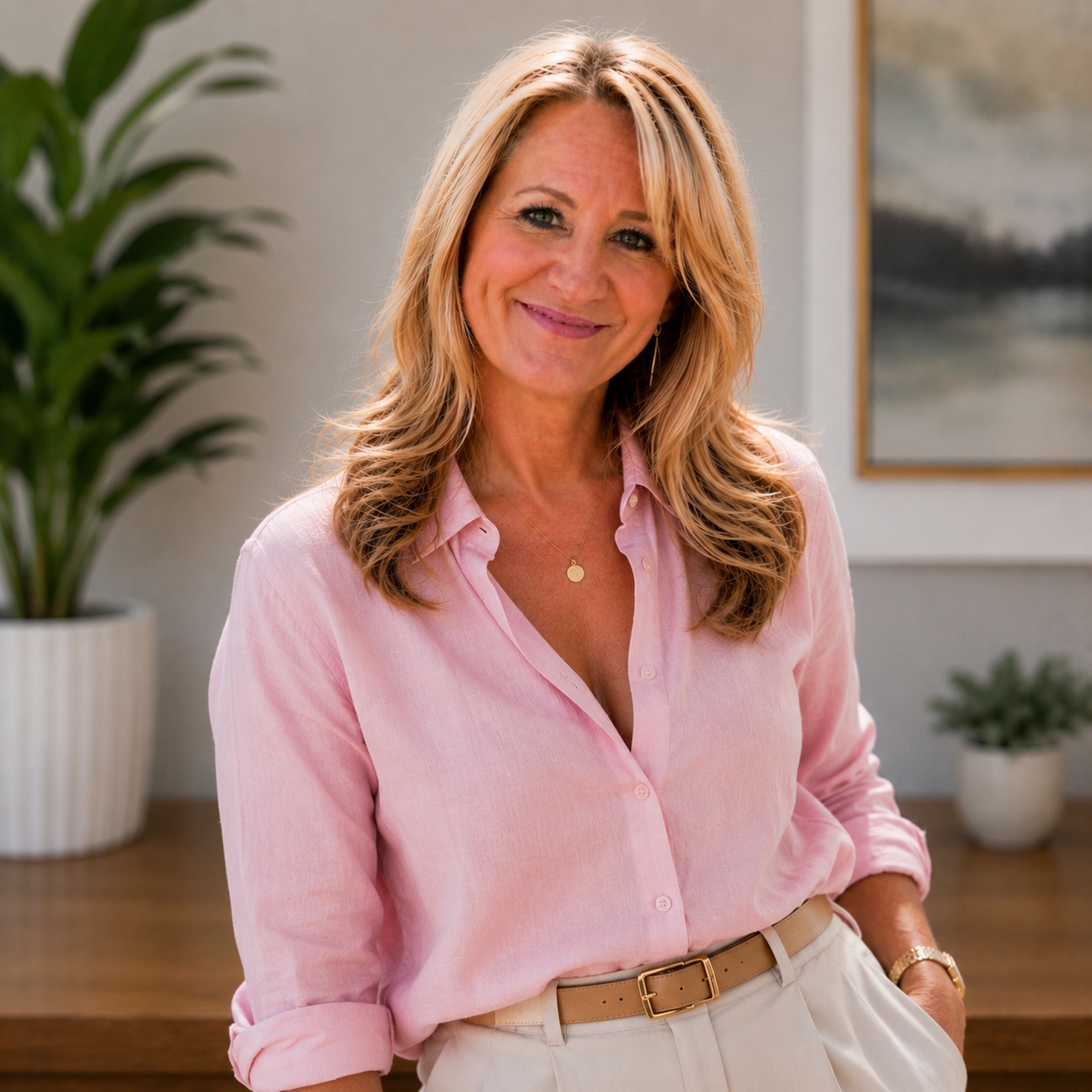
Educator/Author
Cathy Lindblad is an educator, children’s author, and the creator of the Kindergarten Cathy book series. Originally from Ithaca, New York, she earned her bachelor’s degree in Expository Writing and Cultural Studies from SUNY Empire State College and her master’s degree in Elementary Education from Elmira College.
With more than 20 years in education, Cathy has dedicated her career to helping young children build confidence, resilience, and a love of learning. Inspired by true-life experiences, the Kindergarten Cathy books bring meaningful childhood moments to life with stories that encourage kindness, perseverance, healthy habits, and emotional growth. The very first Kindergarten Cathy book was inspired by her own first day of kindergarten.
Cathy is also the proud mother of two grown children. Through her books and educational resources, her mission is to help children enjoy reading, believe in themselves, embrace challenges with confidence, and remember that we can do hard things.