Ep41 Michael DeSchalit—From Card Tricks to Life Lessons: How a Magician Uses Hypnosis and Sleight of Hand to Transform Kids' Lives


Learn more about Michael's nonprofit, Max Edutainment: https://maxedutainment.com
Get Michael's book on finding your voice and living out loud: https://buyfindingyourvoicebook.com
Don't forget to SUBSCRIBE to the HendersonHQ Newsletter: https://hendersonhq.com/Subscribe
Check out our website for all our local stories & community updates: https://hendersonhq.com/
Follow our Instagram for deals and cash drops: https://www.instagram.com/TheHendersonHQ/
Interested in advertising in our newsletter to 25,000 local Henderson residents? Let's book a call: https://calendly.com/scottgrovesteam/catchingup
______________________________
Scott Groves sits down with Michael DeSchalit, a Las Vegas magician and hypnotist and the founder of the nonprofit MaxEdutainment. Michael started doing magic at age 7 and has spent more than 30 years performing in schools, where his shows teach goal setting and leadership. He also performs The House of Magic, a family-friendly show at the Silver Sevens Hotel and Casino.
In this episode, you'll learn how Michael went from a $10 trick at a magic shop to $5,000 stage illusions, why he traded 350-pound illusions for comedy magic that packs smaller and plays bigger, and how a magazine ad about leaving the heavy props behind sent him to Las Vegas for a $1,500 hypnosis course. Scott, whose wife owns a school, asks how Michael changes a show for kids, how long it takes to build a trick, and whether stage hypnosis is real.
Michael shares what he has learned about building a show and working with kids:
• Build the moves and the words together. A 2-minute and 43-second escape took Michael about six months to learn, and one rope routine took at least 100 hours.
• Reuse the moves and rewrite the script. His three-rope comedy routine becomes a lesson on equality for students when only the patter changes.
• Know your audience. Michael did one kids' birthday party, decided that market was not for him, and quoted $3,000 to talk a family out of hiring him. School programs are where he built his career.
• Hypnosis works with willing people and stops at their values. At a school conference with 3,800 students, one volunteer followed every suggestion except the one that went against how his parents raised him.
• Athletes already use self-hypnosis. A free throw ritual works like a hypnotic induction, and Michael says all hypnosis is self-hypnosis.
Michael also tells the story of Diana, a student at a second-chance high school in Phoenix who invited him to her graduation as valedictorian after a three-day leadership academy. He explains the idea behind his book: figure out who you are, set realistic goals, test them, and then help other people find their voice too. Every chapter comes with a worksheet to help you set goals.
If you work with kids or present for a living, there is plenty in this one you can use.
Find all the show notes and links here: https://podcast.hendersonhq.com/41
Michael DeSchalit 0:00
Once you figure out who you are, what you want to be, then you can set some realistic goals to achieve that. Then the living life out loud is you singing on the stage of life, doing what you do. How do you then inspire other people to find their voice too? Because if we do that, we change the face of the world.
Scott Groves 0:22
Welcome to Henderson HQ. This is the podcast where you get all the stories behind the businesses that make our community tick. Don't forget to subscribe to our weekly newsletter. Hey, ladies and gentlemen, it's Scott Groves here with the Henderson HQ podcast. Don't forget to subscribe to our newsletter. Check out the website allthings hendersonhq.com and also on Instagram. I'm here with my new friend Michael. This is gonna be a very interesting interview because Michael runs a company called Max Edutainment, which is classically trained. I guess would be the right term as a magician. Sure. And then that turned into like these motivational talks and going into schools and interacting with them with your magic and and teaching a lesson, and then hypnotism, and like basically all the Vegas entertainment stuff wrapped into one human being. And so, first of all, how does one decide? And you look damn good for 61. So I don't know how long you're doing magic. Yeah, but I'm guessing it's for a few years. How long have you been doing magic? Tell us the origin story of Michael. You know, it's it's crazy. So I I always wanted to be a magician as a little kid. I mean, I grew up watching like you know David Copperfield and and Harry Blackstone Jr. on on TV and stuff, and
Michael DeSchalit 1:30
just watching Magic. I always wanted to do it. Actually, Magic made me mad. I would watch David Copperfield. I would get so angry trying to figure out how he made stuff happen. And so I figured if I if you can't beat them, you join them. Become a magician, so you learn how to do the tricks. Okay, that's why I did it, and and so I started when I was like seven years old. You know, you only learn so much on your own with the TV magic set you buy at the right the department store. I think every kid had one of those, right? Like the foam balls, and you learn a couple tricks, and like one out of a million become you. Right, right, right, and and we could be thankful for that actually. So it's yeah, but anyways, so so then you know later on after college, I I got into music and I played trumpet through high school, through actually through all elementary, middle school, and high school, played in college band. That's what paid for my college. But then after college, you know, there's not a big demand for solo trumpet players, you know, right? So I couldn't start a band. It was like it was a band of one, and it was pretty horrible. I wanted to find another performance art, and so I I went to a magic shop, and I bought a $10 magic trick, and then it became you know a $20 magic trick, and a $50 magic trick, and then a $5,000 magic trick, and the the it's it's the most expensive, ridiculous, insane hobby that you can ever have, and that that's cheap. Five grand for a big stage illusion is cheap. They've got some they go you know 50, $100,000 for for one illusion or for one trick that lasts about two and a half to three and a half minutes on stage. Yeah, it it is the worst ROI ever on an investment, and so you know, so I got into it a little bit more, and then I started doing shows in schools, and I thought, you know, what a great way! I
Scott Groves 3:06
got to go back before you before you schools. Like once you buy the $5,000 magic trick, do they bring you into like the back of the store and be like, "All right, now we know you're serious. We're going to introduce you to some guys. Is there like a mentorship training thing, or is it just like you just keep buying shit and like perfecting your sleight of hand and your croft? Or is there like is there like a secret back department of the magic store we don't know about where all the cool kids meet?
Michael DeSchalit 3:28
There, there is there is a secret a secret room in the magic shop. Okay, so and they always say you know the the secret's told when the trick is sold. That's a sign like in most magic shops, right? And so when you buy a trick, they got a little area they come here. We're going to show you how to do it, right? Okay. By the way, that $10 trick, I was never more disappointed in my life how it worked. I was like, I looked at it like this is witchcraft. This is I could start a religion with this. And then he showed me how it worked, and I'm like, you gotta be kidding me, right? I mean, there was no like secret underground tunnels. There was no lions, daggers, bears on my trapdoors, you know, wires, magnets, UFOs. It was just a simple little move that you do all the time, right? That you wouldn't even know is a magic move. And so, as far as the big illusions, though, yeah, they they they don't take it to the back room. They they ship it, you know, via air cargo, and you got to go pick up the 350 pound piece of luggage at air freight. And then, you know, there's some videos they'll send you. There's some you know some coaching that they'll give you too as well. So and most of the times, if you're at that level buying that big of a trick, you kind of already know what's going on. Okay, and then it's a matter of putting together the choreography, the routineing. You know, so side note: as a magician, not only do you have to be a magician, you have to be kind of a carpenter. You have to because there's always something that needs to be fixed. You have to be a seamstress or a tailor. I've sewed more costumes for my wife because there's one box I put her in, bisector two different directions, put 10 spikes in every different direction. She goes in in a flapper dress and comes out in a cocktail evening gown, right? And I had to build that. So wait, is your.
Scott Groves 5:00
A magician as well, or she, or
Michael DeSchalit 5:02
you know what, he knows more than most magicians, so she could be a magician. Okay, but um, but she's actually she was my assistant. They they call them, and it's it's it's not meant to be a derogatory term. They they call them box jumpers because you know Houdini, the trick that he did metamorphosis with his wife Bess, he would stand on the trunk, or she would stand stand on the trunk, raise a curtain, and then they would change places. She would be in the box, and he would be up on top. So they call them box jumpers. So she was a box jumper, a magician's assistant for years in my stage show, and I sold all that stuff when I moved to Vegas. Oh, I went to comedy magic instead. Okay, so much packs smaller, plays bigger, and it doesn't cost nearly as much.
Scott Groves 5:42
And so, wait-was she your wife? And then you talked to her to be the assistant, or was she your assistant? And she fell in love with you because of all the amazing money you were making being a magician.
Michael DeSchalit 5:51
Yeah, we're gonna we're gonna say no on the second one. On that one, yeah, no, no, I wooed her into being my wife before the magic, and good thing too, because there was a there was a a contract at that point, so she had to stay involved. Yes, and that's and then I talked her into that's it's interesting way of putting it into more like I mentioned I was a hypnotist, right? Right. Well, one night we were just sitting around, and I said, "Hey, just relax, listen to the sound of my voice. How would you like to be in the show? And she went, "I would love to be in your show. No, she didn't. No, she fought me tooth and nail on this one. And then the very first show that she was in, she we went out. She was nervous as all get out. She's not. She's not a public, you know, on stage person. That's me. That she's not that person. And you know, so she she got on stage. She did it. It was flawless. She walked off stage. She goes, "When's our next show? And I'm like, "Really? I have, I have converted her. That's a maze come to the dark side. What do you think it was for? Do you think it was the showmanship of it, or the claps from the crowd, or it just gave her a certain rush? Or I, I think it's you know, it's the adrenaline rush. You know, you become kind of an adrenaline junkie at it a little, a little bit. You know, without without you know risk of bodily injury, at least not for the magician, right? For the assistant, the same trick. I almost broke her nose one night. Oh, well, because she got in the way of one of the spikes, and I told her, "Woman, you just got to get out of the way. I can't. I mean, I can't see you're in a box. It's not like it's my fault, sir. It's like, oh, and so she she really didn't like that answer, but she was in a box. So what what is she gonna do? Hello, I mean, I just think of the level of trust between those two people because I've seen some crazy things with the box jumpers, you know, slamming their hand down on an empty bag that may or may not have a spike in it. Oh, running, right? All kinds of crazy
Scott Groves 7:30
stuff, and I'm just like, that lady must have a higher level of trust in that man than my wife has in me, because you know, if we screw up at the grocery store, no big deal. There's going to be no blood, right? But I got to imagine if you screw up that box trick, like there's going to be some blood. You know, I've had
Michael DeSchalit 7:44
friends break their nose and doing tricks. I've had people actually I've damaged both my knees doing magic tricks. You know, yeah, yeah, jumping in and out of boxes and doing stuff like that. It's it's a it's a contact sport. It's a it's a contact sport. Magic is a contact sport. So then, other than buying the tricks, do you like seek out and try to get into you know? Because the only the only magic I'm familiar with is the Magic Castle down in LA, and it like it seems like I could be totally wrong. There is a little like the older guys putting their arm around the younger guys, be like, no, no, no, let me show you how to do that. I actually saw somebody screw up a trick, and like one of the older guys came over and he's like, "Let's let's go talk about coins. And I was like, "Oh, that's cool. That's like a cool mentor relationship. So, do you just like get in the circle, or do you pay for somebody to teach you how to do this stuff? You know what? After after you earn the trust, after they know you're not just there for idle curiosity, yeah, and and you're making an effort to do some tricks, you'll find a lot of great mentors and magic. And we do. We there's there's magic clubs. There's one here in Vegas. Actually, a few here in Vegas. There's the Magicians Luncheon. There's the Gary Darwin Magic Club, named after Gary Darwin. And there's the IBM International Brotherhood of Magicians. We have a local ring. It's called a ring, and named after linking rings. Okay. And so we have a local ring here, and we get together. We we have lecturers that come from out of town that show us their tricks, teach us how to do them, sell us the apparati. Yeah, that's plural for apparatus. There
Scott Groves 9:09
you
Michael DeSchalit 9:10
wanted to sound fancy on the podcast, and yeah, so so they sell us the apparatus that that we need to do the trick, and and then so it's almost like a college workshop or lecture level. It is very high. It's very high level. Very. I want to be a fly on the wall at the magician ring luncheon. Like I just, I because I've been out to a few dinners with comedians. I have a friend that's a comedian at Austin, and there's just a riot. Like, and I'm I'm sure magicians are the same way. The jokes, the the exchanging of you know insider tips and stuff like that. I have no insight into that world, but it would be fun to be a flydown. It is literally, you know, some sometimes there's magic conventions, just about one every month in every state, and they're they're everywhere, and and those things are just like if you can imagine the the corniest B grade movie you've ever seen about magicians. And clowns, or comedians, or anything like that. Imagine, you know, when you walk into the room and go, "Hey guys, I'm here. Shake my hand. There's the buzzer, you know, and then pull my finger. Hey, sit on the sit down. You know, there's a whoopee cushion. It's that, and hit my hand. Go ho, you know. There's just that, and so much more. It's a, you know, I I say this with love and kindness to my fellow magi, it's literally a room full of idiots, and and and and we have fun though. You know, we like you know, I told you before we even started, we put the fun back in dysfunctional, and so we you know we we are a big happy dysfunctional family. We help each other out. Most everybody does, you know. There's a few there's a few renegades in in the magic community that don't really participate in all the camaraderie and sharing, but most of us do because hey, if one magician does a good job, then all magicians are going to be better because of it. So right, you know, you know, you mentioned something funny-a B-grade magician movie. I don't even know what that would be, but are there any shows or movies that you look in and look at, or you've seen, and you're like, "Oh, that's that actually tells a good story about the life what I've dedicated my life to. Is there any good magic movies? There's a magic, and it is a total. I wouldn't even say B. I would say like C minus movie. Okay, but it's one of the best movies of all time in magic, and and you know every magician has to kind of watch it as part of like you know the initiation writers. Right. If you haven't watched it, you're not, you know, you're not a real magician. And it's called The Magicians, and it stars Alan Arkin. Okay, and the storyline is basically he's a burnt out magician, and you know he can't he can't do anything because he's got arthritis in his hands, and he at least does it like this, you know, in some sort of I've got arthritis, I can't possibly do it anymore, you know, right? And so he he ends up tutoring a younger guy who wants to be in magic, but he wants to do Shakespearean magic. So everything is in old English. Hen gestures like Shakespearean already sounds like the most corny movie ever, dumbest thing ever. And then they end up getting a pickpocket, who's an actual real Connors pickpocket, involved in the act, and they kidnap a waitress from a diner to be the assistant. Okay, and it just goes downhill from there, and it spirals. and And it is it is the worst movie of all time, but the best, funniest movie of all time. It's kind of like a Nacho Libre or an opponent dynamite of magic.
Michael DeSchalit 12:16
Okay, and it's every magician watches it, and then there's this one part where they get their first gig, and it's at this skanky old hotel in a downstairs lounge, and the the marquee says Amish Farmers Convention of '76, and it's these Amish people sitting at the tables with their hands like this, super straight in the air, collars up to hear the ladies, and he's doing his Shakespearean magic, and nobody's clapping and nobody's laughing, and we all went. I've worked that room before. Oh my god, I worked that room before. You know, we've all been there. We've all done that. It's just like bombing a coffee show or on stage playing. Yeah, yeah, same thing. So watch the magician. Okay, I'm gonna watch that. Is there a good one? Well, it was just called the magicians. It's just a movie. It is a movie. Is there like an A version of it? Oh, an A movie. Is there any movie you watch that you are like, oh man? An A movie is, and actually, it's not even a movie. It's almost like a documentary. Okay, I would call it a docu movie. Okay, it's part documentary and part actual footage of a show that was shot by a magician's last name Delgadio, and the the it's called in and of itself, in and of itself, in and of itself. Now it is very very deep. It is, I would equate it to like watching the Schindler's List of magic shows. That got deep. It's deep. It's deep. It's very introspective. At some point, I mean, I cried when I watched it. It was very emotional. Yeah, and magic. If you can inspire emotion with magic, yeah, really good magician, yeah, because that's what we want to do. We don't-we don't just want to go. Hey, here's a trick. Check it out. Wah wah wah. You know, we don't want just that. Yeah, we want to leave you thinking about something. And did we inspire that? Which kind of is what I do with the motivational stuff that I do. Yeah. Hey guys, just a quick ad from our sponsors here that make this podcast and our newsletter possible. Want to give a shout out to Ethereal Med Spa, a gym for your skin. So doesn't matter whether you're doing anything proactive, all the way up to spot removal, all the way up to beautification, right or vanity. Ethereal Med Spa, they got you covered. Scott Wright over at Wright Auto Body, love them. So anything from a scratch and dent to a big insurance job, all the way up to a custom rebuild of a classic
Scott Groves 14:30
car, they got you covered. And shout out to my buddy Casey Halstead, owner of 10th Planet Jujitsu, which now has three locations. They just opened a new location on the west side, so they got our Henderson location, they got a mid-city location and they've got a West Side location. So anywhere in the Valley where you're looking to train jujitsu, check out 10th Planet Las Vegas. Now back to the show. That's one of the reasons I want to have you on because, and I'm I'm so mad I'm I'm totally blanking on his name, but I was in a coaching group for a while with a magician that was taking his show more to like corporate America. And his whole his whole spiel was he's like magic is nothing more than like thinking you're going to see this and surprising them with that and when you can do that in business and they think they're getting this but you wow them and surprise them with this like you're going to have a forever client and you're going to have a you know you're going to have somebody out there proselytizing about your business instead of just a customer you're going to have a client. It was a really great talk, and then of course he works magic into the whole show and whatnot. So when you email me and told me like, oh, I do this for kids, and obviously near and dear to my heart because my wife owns a school, so I have to imagine, much like comedy, you know, it can probably be a little PG 13 or rated R, depending on what type of magic you do. How do you how do you change the presentation for kids? And like, what what what are you doing now with the magic with kids?
Michael DeSchalit 15:46
You know, fortunately, I've been I've been blessed in my career in magic. I've done a few adult magic shows where you can you know drop the f bomb or you can swear a little bit. And you know, if somebody does something you know crazy in the show, you get a volunteer that does something. I'd expect you go, holy right, right, holy Saka Chewiya. What was that all about? And and so the majority of my shows to this day are all family friendly. Now that doesn't mean they're kids' magic shows. It just means there's no nudity or profanity because if I got naked, you would square it. You would square Scott. I'm just saying, just pointing that out. But and and you know, so so it's really not that hard to to be funny and be you know totally family friendly or corporate friendly because corporates don't want you to come in and do a show and I do a lot of corporate shows they don't want you to come in and drop the f bomb you know when the when who knows maybe the CEO's grandson or granddaughter's in the audience right you got to be really careful about that and so I pride myself on all my shows are are family friendly, corporate friendly, and so it makes a big difference. And going back to what you were saying, though, because you made a great point about how we did a presentation, and you can incorporate magic in that. You can make magic part of the message, or make the message magical, and people remember it more. Yes, and if you can use it in business or in sales, I do. I teach a lot of seminars. I teach hypnotic selling, which is the other thing that I do. The hypnosis. I teach people how to use hypnotic languaging when they're selling, not to sway or convince or try to covertly, you know, get people into doing something like I did with my wife for the magic assistant job. But that's okay. I just you could edit that out if you'd like. No, we're good. No, no, don't edit it out. Just don't let her hear it. So she's not behind me. Is she good? Okay, but anyways, so you know it's important to be able to inspire people with your magic. Like I said, going to an emotional level with them, but it's also important too that you know your magic doesn't overshadow the message, or the message isn't too much for the magic. That there's a good mix for those. When I do it in schools, I've always had a heart for children because you know what schools do a great job teaching the 3r's: the reading, writing, and arithmetic. Yep. Yeah. Even though arithmetic doesn't, they should teach spelling because arithmetic starts with. I grew up. I grew up here that were, but you know they do a great job with that. But unfortunately, they don't teach some of the things that are real, true life skills, so they don't have the time to do it. Things like goal setting, things like problem solving, leadership training, things of that nature that are easily taught and inspired through a magic show that can present a concept, do a cool magic trick so you never forget what the message was because it's tied into something that was like whoa what just happened here
Scott Groves 18:30
well so that's it. Speaking of that keynote that I saw this magician do over the course of five years attending that event, I probably saw dozens of keynotes. The one I remember is his, right? Because the surprise with the card and the Netflix envelope, which tells you how long ago I was in this coaching group, and the whole the whole spiel, I was like, it was very memorable, right? Right. And so, what what makes you? How long ago did you decide to move into entertaining kids and doing the the kind of like you know?
Michael DeSchalit 18:55
It was it was almost immediately after I started doing magic. Really, you know. And here's the funny part: is is like I said. What I do is family friendly. It's not a kids magic show. I did one kid's birthday party, just one. That was plenty. I learned really quick that I'm not cut out for that market. Okay, I'm not cut out for the market at all. And then so my my kid price went from you know, and at the time it was like I think I was charging like a couple 100 bucks to do a kids' magic show, and that was like 3536, years ago, right? And so I instantly raised my price to $2,000 for a kids match. I didn't get booked. I almost got booked though. This rich family from Rio Rico, Arizona, they called me and they go, "We have a bunch of money. We don't care what your price is. And I said, "Well, it's it it's $2,000. And they go, "That's not a problem. And I go. Oh, wait a minute! I meant $3,000, and because I would have had to spend $1,000 to go out buy a bunch of magic tricks that would entertain kids,
Speaker 1 19:48
right?
Michael DeSchalit 19:48
And so I talk them out of the gig.
Scott Groves 19:50
What's what's the difference when you're like presenting to kids? Like, what do they not do? They not yet have the intellectual ability to understand that they. Should have been surprised by what you just did, or is it just the connection with the audience? Why? Why is it different working with you?
Michael DeSchalit 20:05
Sometimes it's just the visual acuity of a trick, yeah, as appealing for a young person as it is for an adult. Sometimes it's the the patter, which is the words that we say while we're doing the trick. Right. Sometimes the patter of the trick doesn't make cognitive sense with a younger person. Right. Just maybe they don't have a life skill. For example, I have a show here in Vegas called The House of Magic. How is that for selfless promotion? Yeah, you're all in. Awesome, good. Harley, we had for being here. Yeah, so the House of Magic, I do it. It is a family friendly magic show. It's at 5p.m. Thursday through Sunday. There's a trick that I do in the show. There's some stuff that I do. I'm like a good cartoon. Some of the jokes are for kids. Some of the jokes are for adults. Yeah, the kids don't understand the more adult material, even though it's not profanity or swearing or anything like that. It's just a little bit more intellectually adult, right? And there's a trick that I do. I call it Scrabble, and it involves Scrabble pieces. I make a prediction. I draw a picture of something that is my prediction. Put that on my table. Nobody gets to see that till the very end. I have somebody take a Scrabble dictionary. I riffle through the pages. They pick a page at random. They reach up underneath it, circle, make a circle without seeing what they're circling. They circle a word. We put that away. Seven people from the audience choose Scrabble tile squares out of a bag. I take those seven letters. I make a word. The word matches the word in the dictionary that they randomly chose, and that all matches the prediction that I made. It's it's cool for adults. I know, right? I can see the look on your face. Yeah, it's impressive without even seeing the trick. This is what I'm like. No, wait. You were the double. You were that. Wait. What do you see in a person? It's even more impressive. Kids are like, this is boring. He what is Scrabble? And so I try to I try to make it kid friendly. I say, you know, here's the thing: a lot of people don't play Scrabble. Anybody plays Scrabble, and nobody raises their hand. Like it's an old fashioned game. It involves spelling. Who likes spelling? No kids raise their hand. I'm like, no kid loves spelling. I said, I hate spelling. Right. I'm I'm I suck at Scrabble because hooked on phonics did not work for me. Last night I was doing the trick, and I went to go step off the stage to get the letters chosen, and it was it's very dark out in the audience and very bright on stage. So I went to step off the stage very dark on the floor. I missed a step, and the bag that I was going to go get people to choose letters out of, the bunch of letters came flying out. My mouth went up. It was like no, and I caught a bunch of letters in my mouth, and it honestly, I swallowed them. It gave me the sorest throat ever. Thank you. I can hear your podcast audience just we just I had in there right now. Yeah, you know, but don't worry though, Scott. I did have a vowel movement afterwards, and the difference really to answer your question is it's the visual acuity of the tricks, it's the visual nature of the tricks. Sometimes it's the powder. Sometimes it's just the presentation. Yeah, I can take one trick that I will do in the show at the House of Magic and present it entirely differently. Is that House
Scott Groves 22:47
of Magic 5pm Thursday through Sunday?
Michael DeSchalit 22:49
That is House of Magic 5p.m. Thursday at the Silver Sevens Hotel and Casino. Okay, yeah, I think I heard that right right on the right on the corner of Flamingo and Paradise on the second floor, right across the hall from Denny's. There we go. Ah, yeah, tickets available online@houseofmagiclasvegas.com. Perfect, got it. Great. That was that was great. It was great. Should you know, I was told I have the face for radio, so this is working out great. But anyways, so you know, I can take a trick that I do in the House of Magic show with three ropes. I have an entirely different pattern for it. It's a comedy routine, but I can use the same routine, demonstrating or presenting to kids, talking about equality and treating everybody equal, because three different pieces of rope begin they transition into three pieces that are the same length, and then they at the end transition back to the three different lengths. So you can spin a message with that about how we all start out as different people, but if we treat each other with respect and dignity at all times, we all become equals. It's good stuff. Even though, in the end, we're all very, very different. Yeah, and you got it visually right now. You constructed that in your own imagination without even seeing the three ropes right now. Right, because the message then tells the story of the trick. Right, and so there's and kids in an elementary school level will understand that because at a high school level understand it, an audience would understand it, but it's not comedy magic, right? So we spin it differently for a comedy magic show,
Scott Groves 24:09
right? So why why has it worked out so well for you? Because I know you've been doing schools for decades now. Why for three
Michael DeSchalit 24:16
decades?
Scott Groves 24:16
Three decades. So why why does it work at schools? And you're like, I'm not doing a birthday party. Is it because the kids are more unruly, or it's just not as fun? Like, what's what's the what's the delineation? It
Michael DeSchalit 24:27
is honestly a different style of magic. Just like you know your friend that does the the keynotes, right? There are so many genres of magic. One is kids magic, birthday party magic. One is bizarre magic, where you see people do things like swallow razor blades and then swallow a piece of thread. Yeah, that would make you uncomfortable. Bizarre magic, right? There's there's the illusions. There's the comedy magic. There's mentalism where we purport to be mind readers and we do things that are more like the Scrabble trick is kind of a borderline mentalism trick. There's you know there's the. I said the big illusions. So there's different genres of magic, presentation magic. So it's a different. It really is. Even though in a in a school like in an elementary school, I'm doing tricks for kids, but they're not kids tricks. Yes, they're different tricks because they're a little bit more serious with the message. And quite honestly, what I found the kids magicians that do the best, are the the magicians that do the tricks where the magician kind of fails at the tricks a little bit, and then the kids get to laugh and ha ha ha ha ha, or he gets his arm stuck in something and can't get out of the handcuffs or whatever, and then at the end the magician prevails because he does get out, and so he prevails in the end. But the kids got a good a good laugh because it's kind of like slapstick comedy. Yeah, yeah. So, but yeah, I just it's a different genre of magic. It's actually a very it's a very special skill to do that stuff. So I think about again the only kind of analogous like thought that I have in my mind is comedy, and you know my buddy to to put together like a solid
Scott Groves 26:00
half hour set, you know he'll work for a year. He's trying this, he's doing that, he's trying it in front of this type of club, in front of this type of audience. He's like, oh, okay, should the getaway car be a van or a Prius, and on and on. So like, if you're designing, obviously, I'm sure you kind of have your go-to tricks that you've been doing for a long time. But if you're designing some new content, or you're like, oh man, this company's having me back, and I can't. I can't do the same, you know, stage work that I did before. How long for like a half hour, an hour show? Do you have to work on your presentation and your talk and finding new tricks? Like, what is the what is the time investment to pull something off at a high level on stage? You have to start in the womb. No, seriously, you have to. You must start in the 32 years. Told her I say they say you should talk to your kids in the womb. My mom start no. That's not how I started. You know, it takes it can take a decade to get a good show put together. But at the same time, you know, and and you'll see like when you come to the House of Magic, and you'll be my guest at the House of Magic sometime when
Michael DeSchalit 27:00
you're free, but that show is 30 years of my life that I'll never get back. Right? You know that's all croft. Don't cry on camera. That rope, the rope trick, the rope trick in itself was at least 100 hours of putting all the moves together, stringing them together in a in a logical sense. You know, like when you're when you're cooking something, you don't you don't sauté this first before you add this ingredient. You don't mix all the dry ingredients or put all the dry ingredients into the wet ingredients before you mix the wet ingredients or vice versa. There has to be an order of assemblance there in order for it to have some congruency to it. But at the same time, sometimes you do get lucky once you do create a trick. Like I created the rope routine for the comedy magic show, but then I was asked to do it as a presentation for students talking about equality, and I went, "Okay, I just have to change the script now. Yeah, the moves are still the same. So that saved me a whole bunch of time there. Now it's just rewriting the script or the pattern. Sometimes that takes weeks. Sometimes it takes hours. Sometimes it just comes to you. It's like writing a piece of music, writing a song. I love anything
Scott Groves 28:08
about that. I'm the least artistic person ever.
Michael DeSchalit 28:10
I was a musician first before I became a magician. But writing a piece of writing a piece of music, the lyrics first and then the music that's incredible. That's like you got to write two things. Right. They got to make sense. They got to come together. Just same with magic. You got the powder, the spoken word, and then you got the mechanics of the trick.
Scott Groves 28:27
So that's really interesting to me. What is the if you had to take a guess? And I'm sure it's different, but let's say you're doing a sleight of hand trick or whatever. How long to perfect the physical side of it versus coming up with the showmanship and what you're going to say and how you're going to engage the audience, because like in my mind, you could probably teach me how to do a magic trick right now with a coin in 10 minutes, but it might it might take me hours and hours and hours to figure out how I'm going to present that. Right, right, and that's the two parts of it: the the pattern, the script, and the presentation.
Michael DeSchalit 29:00
As far as the mechanics, so how long it takes to do the mechanics of a trick? Depends on the trick. Right. I've worked on some card tricks for like months, months, just to perfect one single move that is so ridiculous that you would never see it as the spectator. And and if you would, it would not be a trick. It would be an education then. Right. Yeah. So we don't want you to see the secret move, so we'll practice. You know, hours, hours, hours, months, years. There's a there's some moves in magic that magicians never perfect. It's it's like it's like being a Tibetan monk in seclusion for your lifetime in silence, trying to find nirvana or whatever it is that Tibetan bucks try to find. Oh wow! Yeah, it's just it's it's it's crazy. We will spend you know for the first couple years as a close up magician, you walk around with a deck of cards in your hand. I this is what a deck of cards looks in my empty hand. This is what my hand looks like when I'm holding a deck of cards. I can tell you, if you put a deck of cards in here right now, it would fit perfectly. I just know that mover palming coins. I used to palm coins when I went to church. Cause see, your parents love that one, right? Well, no, because if you drop a coin in church, it's like a fart in church. Everybody can hear it, and they know exactly who did it. And it's not like you look at go. It's the old lady over there. She did it, and you know you. And so you you palm coins and and try to do moves with coins palmed and keep your hand held naturally, so you're not looking like you're holding something in your hand. You know, and so practicing things like that, you could do it while you're while you're driving, while you're walking, while you're you know watching TV. A lot of times, people do you know shuffles and different card moves while they're watching TV. I learned how to pick a combination lock watching TV. I just did it over and over and over because I couldn't look at the lock. Long story short, I'm locked into a 20 inch by 20 inch by 30 inch high steel box. I'm handcuffed inside. It
Scott Groves 30:50
might be a little shorter, but you're not short. The 20 by 20 by 30,
Michael DeSchalit 30:55
20 by yeah, 20 by 20. You're in a fetal position. The the magic is getting my fat butt in the box. The the easy part is getting out because I want to. Yeah, because sometimes it smells in there. This thing, and you know, you get a foot cramp usually, you know, and so I have to reach outside of the box and through a small crack in the door because there's a cargo strap that's holding it closed, and I have to pick this combination lock without seeing it. I have to do it by feel. That took me like six months. I don't know. Wow! And to do a two minute and 43 second trick.
Scott Groves 31:30
All right, so a three minute trick. You spent six months learning the mechanics. How long to perfect the showmanship? So people say, "Ooh, ah.
Michael DeSchalit 31:39
You got to work on that all at the same time too. The choreography, the the movement on stage, along with the story. Now that one, there's a little bit of talking in front of the trick to set it up, but then it's all music and motion at that point. So how you get in the box? The choreography of the of the girls spinning the box.
Scott Groves 31:59
Yeah,
Michael DeSchalit 31:59
you know, to show all sides of it, so there's no trapdoors and anything like that. is a It is a true live escape. Another genre of magic, escape magic, escapism. Yeah, and so you know you spend a lot of time doing that, and and when you learn the pattern and when you learn the moves, then you have to learn how to like walk and chew gum at the same time,
Speaker 2 32:18
right?
Michael DeSchalit 32:18
With the patter and the words, you got to learn how to say it while you're doing the moves, so the moves have to be second nature.
Scott Groves 32:24
Yeah, you have to be over here with this coin or this card or doing this over here. You know, look at this hand while I talk about this hand. Like I, I can barely walk and chew gum at the same time. Just ask my jujitsu coach. He'll be like, your left arm, and I'm and I go to do the move. He's like, no, idiot, your other left arm. And I'm like, oh yeah, I can't, I can't think left versus right when I'm like in the heat of like one of the miserable move
Michael DeSchalit 32:43
when you hold up your hand. That's how I tell him apart. Yeah, I was I was actually in a tournament. That's how I know I would not be a good magician. I was in a tournament. I was kind of stuck in the position. It was a boring like two to zero match. All I need to do was like roll the guy over to win. And my coach is yelling at me. He's like, "Throw your leg over! Throw your leg over! I finally stopped him, and I'm like, Mike, what effing leg? Like, I couldn't conceptualize in the moment like what leg I was supposed to be moving with, so I would not be a good, you know, talk and do something with my hand at the same. It's challenging. It's it's very challenging, and you could always tell a new magician because they're still trying to flush that out. Yeah, and and so you know, it's it's one of those things. It's it's a hobby. It's a pastime. You kind of do it all the time, just like you know the things that you know jujitsu. You said right? Yeah. Brazilian jujitsu. Yeah. Does the waxing hurt? I couldn't do it just because of that. I you know grooming is so much easier. So is this a PG rated show?
Scott Groves 33:37
Yeah, we're good. I drop the f bomb from guy.
Michael DeSchalit 33:41
So, anyways, it does take practice. It does take time, but anybody-I always tell everybody: any 15-year-old can do what I do with 35 years experience. Yeah, it's easy, super easy. Just takes a lot of practice. So,
Scott Groves 33:53
how do you move from like physical magic to hypnosis? And what is even hypnosis in the
Michael DeSchalit 34:00
in the sense of how you're doing it, the the quick story is: I had just bought the trick, the 350 pound illusion, the one I was telling you about earlier. My wife gets in a box, 10 spikes go in, bisecture two different directions. I had just bought that trick. Now, while I was waiting for my wife to come out and help me unload this from the truck, from Air Cargo, I walked to the mailbox. It was a good day. I got one of my magic journals. Yes, there are magic magazines. We are dorks. Just like you know, there's there's magazines and publications for every kind of hobby, right? Right. Okay. So I got my magic magazine. I open up right to the center fold. There's no naked girl there. It's just a picture of the next illusion that you want to talk your wife into letting you by, and still sleep indoors. Yeah. So there was this trick. Well, it wasn't a trick actually. It was an ad. It said, "Magicians. I went, "Ooh, that's me. Are you tired of carrying those heavy props? I look back at the trunk, and I'm like, "Is there a camera out here?" Would you like to travel the world with carrying nothing but a backpack or a briefcase? I'm like, I'm in. I'm in that 350 pound trick takes 45 minutes to put together, two minutes and 45 seconds to perform, and another 30 minutes to take apart and put back in its case properly, so the case will close. A horrible investment. So I'm thinking this is very appealing, and so my wife came out and I said, "Look, honey, I could become a hypnotist, and it's only $1,500. And and she said she understood exactly the mumbling. She said it wouldn't be the first $1,500 that you wasted on some stupid idea. She was one that said I could buy this other car losers. I'm like, I'm in right. So a week later, I came to Las Vegas. I was living in Tucson at the time. Came to Las Vegas, and I learned from some of the best mentors in hypnosis. Orman McGill, he was like the David Copperfield of hypnosis. Jerry Valley, who became like a surrogate second dad for me, or a really ugly stepmother, one of the two, and and Tommy V, who's now my good friend? They trained us in hypnosis, stage hypnosis, comedy hypnosis, and then the next year I went back as an alumni, and the year after that I became part of their staff and started training other people for 15 years with them.
Scott Groves 36:12
But I think of hypnosis in a in a stage setting as like I'm going to hold the you know pocket watch in front of your eyes and then make you bark like a dog. Right?
Michael DeSchalit 36:20
Is is
Scott Groves 36:20
that that can't be real, right?
Michael DeSchalit 36:22
Well, is it's this? That's the stereotypical impression of hypnosis. Hypnosis is entirely real. Now, I do both. After I trained in stage hypnosis, my very first show, I met some young college girls that were in the show, and they go, "Can you make us quit smoking too? I went, "I'm missing the boat on this, right? I could be helping people. I became a clinical hypnotherapist too.
Scott Groves 36:42
That's a real thing. There's like a real, like a real curriculum for real thing. It's a real clinical
Michael DeSchalit 36:46
hypnotherapist. Yeah, really, yeah. It's a it's a coin phrase. We say a consulting hypnotist now. Okay. We're not therapists. Okay. Use hypnosis to help people change their mental set, just like what your coach does when he corrects you, we do that on a subconscious level. Athletes use hypnosis all the time.
Scott Groves 37:06
Yeah, I've read about this. A friend of mine, Dom the hypnosis, he's out here. Oh yeah, he does he does stuff for you know high performers and trying to like clear their mind. And I do
Michael DeSchalit 37:16
that work too. But the comedy stuff, yes, it does work. Because here's the reality of it. Do you ever go to the movies, laugh, cry, or been scared by what you've seen on?
Speaker 3 37:25
Oh yeah,
Michael DeSchalit 37:26
why it's not real, though, Scott. You know that just pictures, images, actors and actresses. Yeah, special effects, makeup, cool movie music, a storyline, a plot. But see, we know it's not real. It's one. It's you know one dimensional, sometimes three dimensional, depending on the movie. But it's not real. But we go to the movies. Why to be entertained? To be fooled.
Speaker 2 37:45
Right, right.
Michael DeSchalit 37:45
We go to hear the story.
Scott Groves 37:47
Yeah, it's the only place I can disconnect from my phone for two hours, and just like I have complete. Was it suspension of disbelief? Is that the term?
Michael DeSchalit 37:55
Yeah, suspended belief is a better way of saying yeah, state of disassociation. Yeah,
Scott Groves 37:59
I have that 100% Like you know, I went to my dad's funeral, didn't cry because it's like, well, it's sad, but you know, these things happen, whatnot. I watch a mediocre episode of The Wonder Years or Grey's Anatomy, and I'm crying like a baby, yeah. Like I can't can release myself for like what's on stage, but in real life, I'm like, no, I gotta be a tough. I mean, one
Michael DeSchalit 38:17
of those actors or actresses ever dies, and that's it. Nor do they care about me? It got future. They've got future gigs. I mean, you know, I cried at Princess Diaries. Don't tell anybody. Oh, edit that, please, from the from the recording. Thank you very much. But in reality, though, it's getting them into getting your volunteers into a state of disassociation. First of all, they're willing. Yes, we don't we don't look at the audience and go, "You sir, get up here. Doesn't work. It may not work, Scott. You may not want to be hypnotized. You may not want to be the source of entertainment for the evening, and you're like, no. And if I try to hypnotize you, you can resist it. But if you're willing, if you're a willing volunteer, I can just tell you a little story. I can do what's called the hypnotic induction, lead you on a journey, get you to daydream, make believe with me for just a few minutes, get you into that state of disassociation where every suggestion that I give to you from that point on, as long as it doesn't violate your morals, values, ethics, or beliefs, you'll comply because it sounds like fun. If I say, "Hey, you're a member of a famous band, the most famous band of all times, I call it twisted hypno, and in a minute when the music starts, play. You're going to play an instrument, your imaginary instrument, whatever instrument you want to play. You're going to play it like you've never played it before, even if you've never played an instrument before. Tonight's your night's shine like the rock star that you are. And when the music starts, I want a rock, you know, because from twisted sister, I just change it to twisted hypno. Sorry, twisted sister, and and you start playing your guitar, you start beating on your drums because it's what your imagination is creating. Those are instructions that I give you in the induction. Let your imagination run wild, just like when I was explaining the three rope trick to you. I said I had three different pieces of rope, and then I put them all together, and they become. Three equal pieces of rope. You started visualizing that, right? If you've ever read a book like the Harry Potter books, yeah, you already know what Hogwarts looks like, right? You knew what the castle looked like before the movie came out, yeah. As you created it, maybe it wasn't 100% but it was 100% for you what it looked like. So, and that's what I care about is getting you to that 100% of what your imagination is, and then you create the scenes that I set up for you. Now, if I did do something like say, "Okay, now volunteers, I want you all to take off all your clothes, run around naked, set yourselves on fire, and rob a bank,
Speaker 4 40:34
right?
Michael DeSchalit 40:35
You wouldn't do it, right? Because that violates your morals, values, ethics, and beliefs-at least the robbing the bank part, anyway. Yeah, lighting myself on fire. I don't, I don't, I don't judge what you do on a Saturday. That's Vegas after all, right? Really,
Scott Groves 40:46
it's, it's funny you mentioned the book example because everybody always says, "Oh, you know, the book was better than the movie. Well, of course it was because there's hundreds of 1000s of people that read the book and they all had their their own interpretation of what everything should look like and who the character should be and what their version of a hot lady looks like, and their version of what Dumbledore should look like, and then you see it on screen, and it's it's beautiful and it's well done. But it wasn't my vision, right? So that's interesting that if you can get people into their story, you're it makes a lot more sense now the way you explain it because you're not trying to get them to do something that violates their their ethics or their morals. Sure, but if you can take me into my own story, oh yeah, I'd probably cry like a little baby.
Michael DeSchalit 41:23
You know, it's interesting. I'll tell you a real life example. I was doing a big school conference. There were 3800 kids in the audience, and I had like 15 kids up on stage, and I hypnotized them all. They were all doing great. They're all responding to the suggestions because, again, I wasn't pushing the envelope beyond their their their boundaries, and I do one routine in the show where I get all the boys to think when the next piece of music starts to play, you're pregnant and you can't get up out of your chair because your bellies are too big. Now the music starts. You're having my baby. What a lovely way to show me how much you love me. That's an old song, right? And the kids don't know the song, but it's the song tells the story. Right. And these kids try to get up out of their chair. They're, I can't get. And I'll interview them. I'll say, "What's going on, man? They go, "I'm pregnant. I'm like, "How'd this happen? They go, "I don't know, but my dad's gonna kill me, and they start thinking they're pregnant. And I'll tell them, "Oh man, it looks you're big. It looks like it could be twins. They start crying, and now they're freaking out. and And this one kid, this one boy in the show, he did not respond at all. He sat there with his head slumped over. He was hypnotized, like he was sleeping almost, and he didn't respond to that suggestion. But he responded to every other suggestion I gave him in the show. After the show, I went up to him. I said, "Hey, dude, I got to ask you a question. I said, I said, you responded to every suggestion. You played like a band. You you danced around. You did all that stuff. You did all the stuff I asked you to do. You rode an imaginary roller coaster. But when I asked you to, you know, act like you were pregnant, he goes, now listen to this really carefully, Scott. This is the profoundness of this. He said, my parents raised me to believe that having a child out of wedlock was not proper. Now think about the crazy, the silliness of it. First of all, number one, I'm like, dude, you're a guy. You can't have a kid. You can't be pregnant in the first place. But think about the consequences that he was going through in his mind, the morals, the values, the ethics, and beliefs. Those are the strongest precepts we have, and he would not react to that suggestion, so it was a perfect demonstration of of what hypnosis really is and what it's not. Right. So this idea that a hypnosis could get somebody to do something that violates their own ethics, yeah, pretty unlikely. I mean, I always there's a joke in my show when I I say you know I'm talking to the audience before I even ask for volunteers. I say, you know, a lot of people think I'm going to make you do something you don't want to do. Now that would be brainwashing or mind control. And let's face it, if I had that kind of power, I'd be ruling the free world right now. Yeah, or at least getting my teenage daughter to clean her room on a regular basis. So I can't get anybody to do anything, right? You know, and so, but that they don't want to do. But if you want to make a change in your life with clinical hypnosis, or if you want to do something fun on the stage, guess what? You're going to do it because it's fun for you. And I don't embarrass, humiliate, or you know, make fun of anybody on the stage because that's not what the show is about. The show is about them using their imagination and creating the things that they maybe normally wouldn't do because maybe they do risk a little bit of embarrassment or being in front of people doing it. But at the end, I always do a motivational piece. Sometimes it involves them being superheroes. Sometimes it involves them just creating a goal in their mind that's something they want to accomplish. Because if they accomplished this silliness, right? They can accomplish greatness too. Right, just using their imagination. That's how powerful imagination is.
Scott Groves 44:46
Yeah.
Michael DeSchalit 44:46
Walt Disney built an empire on imagination.
Scott Groves 44:50
Yeah. I remember I was I was training for a marathon that I ended up never doing. I ended up just doing like a half marathon. And a buddy of mine who had run a bunch of marathons, he was he was telling me something. Like this, where he's like, "Hey, man, the difference between somebody can run 10 miles and 30 miles is like you just have to have a belief you can do it. He's like, "It all sucks. It's all physically miserable. After about the first 500 yards, it's all just the same suck. He's like, "You just have to believe you can do it. And we were on like lap three around the Rose Bowl, so that's nine miles, and I think we did six laps, so 18 miles. I was like, "Oh yeah, I just had to have somebody tell me in my moment, which you know, working out is kind of like a hypnotic state sometimes because you're fully present. He just had to tell me
Michael DeSchalit 45:30
that it was possible, and then all of a sudden it was possible. You know, that's a perfect example. You said, "You know, being an athlete is is just like it is. You've heard athletes say this over and over and over. You might have said it too in the zone, right, right. What the heck is the zone, man? What is it when a basketball player goes to the free throw line? They have the ritual. They have their hypnotic induction that gets them in the zone. The bounce, bounce, bounce, bounce, bounce, right, right. And then they they shoot. What do they see when they're doing it? They disassociate from all the opposing fans behind the backboard, going "You suck! with the big bone fingers. You're gonna miss. They disassociate. They don't see that. They see the backboard, the square white frame, and the and the orange hoop. That's what they see. They block everything else out. Yeah. So for their, they're almost like hypnotizing themselves for four or five seconds. Self-block nose lies. Yeah. We we kind of say that all hypnosis is self-hypnosis. I can't, you know, wiggle my fingers and shoot lightning bolts out of my fingers, just my eyes turn into spirals and hypnotize you.
Speaker 1 46:30
Right.
Michael DeSchalit 46:30
You got to be willing. I've got to get you there. I can walk you in through the process, just like a good coach does, you know, with an athletic program. But I can't do the actual moves for you. You have to allow that mechanics to happen in your own mind. You have to allow it to happen.
Scott Groves 46:47
So tell us real quick about your book because like there's so many things that you do and you've just got this life and knowledge. Tell I know. Tell me about the book.
Michael DeSchalit 46:54
So the book was sort of the nonprofit Max Edutainment, which is again providing motivational, educational, inspirational programs and inspire students to be better leaders and community members, and to be better people to set goals to improve themselves. That was the nexus really to write the book. I've been wanting to write this book for a long, long time, and because I have over the years have found my voice. Now, finding your voice is not about singing. It's not about, it's not about speaking. It's about finding your voice. Who are you, Scott? Finding your voice and living out loud. Yeah, finding your voice and living out loud. Because see, once you figure out who you are, what you want to be, then you can set some realistic goals to achieve that. Then you learn how to. Then you test. Then you test the waters a little bit. Right. Right. You go. If you're learning how to sing, right? You you you don't like just get booked at the Colosseum over at Caesars. You you got to go to karaoke a few times, test the waters a little bit, right? You got to crash and burn a little bit, and you're going to have those failures. You're going to have those successes. And this book, every chapter has a worksheet that goes with the chapter to help you establish the goals, to create those neuro connections in your own mind, and then at the end, the living life out loud is you singing on the stage of life, doing what you do, and then it takes even one step further. How do you then inspire other people? How do you pass it on, pay it forward? How do you inspire and coach other people to find their voice too, because if we do that, we change the face of the world. Right now, the world is you know rough. It's a little rough out there. I mean, there's a lot. There's not a lot of inspiration going on out there. There's a lot of name calling. There's not really a bunch of inspiration, and so that's why I work with young people because you know truly they are our future, especially high school kids, you know, people go. How do you work with kids? I go. How do you not? And they go. Don't you worried? Are they like little rowdy little monsters and stuff? I'm like, no. I can count on my hand in over 30 years. I can count on one hand how many times I actually said to myself, I could probably do the 25 years. Yeah. And honestly, and I'm only joking when I say that because it wasn't even a disturbance. It was just kids, just some kid mouthing off something during the show, and he obviously had a bad day. And you know, I say, "Hey, dude, I'm trying to do a show. He's all sorry, you know. And so that's that's the worst that has ever gotten for me. Kids are our future. If you go to any high school event, you watch these young people, and they're amazing. They're they they empower me to empower them to be even better because sometimes they don't get it at home, sometimes they don't get it at school, sometimes they don't get it anywhere. And if they're not involved in sports or band or fine arts or anything like that, where they got a good positive role model in their life, then let me be it. I'll do it. I'll step up there. I'll be their positive role model. And I've had students come up to me after a presentation, after a training. I'll tell you a quick story. I did a leadership training with a good friend of mine, and we did it at this alternate. Of high school in Phoenix, alternative meaning kids that don't get along in the other high schools, right? Right, and these were second. We had one of those in Palmdale where I was growing up. Well, you know what? This was a second chance school. This was a school that these kids were already in their 20s, early 20s. Some have done time. We had this one student, so we're doing this leadership class for all these students, and you know the first day was rough. It was a three-day leadership academy.
Michael DeSchalit 50:24
We'd go in, do a training for a day, come back a couple weeks later, do a second day, come back a couple day, couple weeks later, do the third day. And the first day, the kids are walking in like, "Yo, who are you? Some kind of sub? You know, and they're throwing down gang signs, and they're getting all rough and tough with us. And I'm like, you got a ticket to be here? They go, we don't need no freaking ticket. I'm like, well, yeah, you're right. I expect you to help out though. And this one girl, her name was Diana, and Diana sat in the back of the room. She was very shy, very quiet. She didn't say much only when spoken to, and even then, it was short, short answers. The second time we came back, she moved a little closer. The third time, she sat in the front row, and she still didn't say a lot. But I can tell she was a thinker. Well, we'd finished that leadership academy, that leadership training, and several months after, I received a phone call, and it was my 40th birthday. I remember this, and if I get a little emotional, it's because this changed my life, she called. She said, "mr. Deshallet. She goes, "I don't know if you are remembering. My name is Diana. I was at that school, and we did the leadership training. I said, "I remember you, Diana. You're the really quiet one. She goes, "I just wanted to invite you to my graduation. She goes, "I'm valedictorian, and I said, "Oh, and I was, I was literally I was having a 40 year old pity party. Was what I was having. I was like, "What have I done in my life? What have I, you know, have I helped anybody? I was feeling really bad for myself that night. I was having the one man pity party, and I can I can tell you exactly where I was sitting in my house when I took this phone call. That's how profound it was. She said, "Well, and I said, "Well, Diane, I said honestly, and I'm looking at my calendar, and I go honestly. I've got two other meetings that night. I don't think I'm going to be able to drive all the way up to Phoenix to do this. And I said, I'm so sorry. I said maybe ask Gary, the other trainer. I said he lives in Phoenix. Maybe he will. So I just got off the phone with Gary too, and he said he's going to check his calendar. And I said, but he would think he was going to make it. He goes, so since you can't make it, let me read you my speech. I said okay. She said, "You know, for the first time in my life, I was treated like a human being. I did three years in jail for stupid mistakes, some fraud stuff, and I learned my lesson. And it was the first time I was ever treated like with dignity, with like I was somebody when I went to this leadership program. And as a matter of fact, I was really thinking about dropping out the day that I went to the leadership program for the first day. And I don't mean dropping out of school; I mean dropping out of life. That was my day. That was a day that I was going to end it all. I was made to come to this leadership training, and I came to day two and day three, and I realized, you know what? Maybe I have a purpose. Maybe I have a voice. Maybe I have a reason to not leave my three kids, to not leave my husband to keep pushing forward, and you know, it's life changing. Yeah, you can help a young person out; it does truly change the world. And so, you know, that was kind of serious, wasn't it? It was a serious moment here on the podcast, but that's why I do what I do, and and the magic's fun. I make people laugh. I make them forget about reality for a little while, and that's great. Same with the hypnosis.
Michael DeSchalit 53:49
But I teach people how to use their subconscious mind, how to use their own imagination to be better than what they are, to be even better than what their best day is, so they can be their absolute best and continuing to be that best day after day after day after day after day, and that's what drives me. And you know, we all have tough times in life, but somehow you just got to keep on keep on pressing forward.
Scott Groves 54:14
That's awesome, man.
Michael DeSchalit 54:14
Yeah, that's a that's the way to end a podcast. But I I feel like I should end it on a joke since we sure had to do any moment there? Do you think you could teach my kid how to do a fake handoff in football because he cannot figure out this sleight of hand of like pretending he's tucking the ball and run the other way? He just has no no motion in that moment. You know, and a matter of fact, you know it's the greatest plays in football like that. The greatest fakes all use a magic technique we call misdirection, and it's all misdirection. I mean, why do you think they have the pretty showgirls on stage? And so you look over there, and you don't see the elephant leaving the stage by the side door, right? Right? Okay. So yeah, absolutely. And interestingly enough, I would combine both magic and hypnosis with it because I could teach them on a conscious level, but if we. Anchor it, root it, and cement it, and weld it in his subconscious mind. It'll become second nature, and he won't even have to think about doing it. It's crazy, isn't it? That's crazy. I work with a lot of athletes. Where can people find you? Where can they find the book? Yeah, Silver Seven's Hotel and Casino, The House of Magic, Thursday through Sunday. Now I do share the show with another magician. We rotate every other week or every couple weeks, depending on our travel schedules. Or do clearly, you got to be there too, Michael. Yeah, and so you definitely want to see. I'm the much better looking one of the two. I'm just just kidding, Justin. Sorry about that. Either way, it's a great show, and and both shows are family friendly. And that's at 5 p.m. You get tickets right at the door. We're having a special now. It's a 1995 special for tickets. So I mean, this is the economy. We want to make it great for families to be able to do it. As far as the nonprofit in the book, maxedutainment.com. Now that sounds like education. Sounds like Max Education, but it's maxedjutainment.com. Or you can buy the book. There's a link on the website for that. You can go right to the book website, which is Buy B U Y Finding Your voice.com. cool because I wanted the longest domain name possible. I wanted to make your work for it. Really, buy that book. You got to type a lock. Buy findingyourvoicebook.com.
Scott Groves 56:14
We will. We'll make sure all these links are in the show notes and on YouTube and everything. But I feel like we could talk for hours. Unfortunately, I do have to go pick up my kid from school, or fortunately, but thanks for being on. Thanks for doing what you do and inspiring kids, because that's awesome. And man, you're just in like the perfect place to do this because obviously Vegas being the entertainment mecca, but also the kids here need a little extra support. Absolutely. So thank you. Thanks for what you do,
Michael DeSchalit 56:38
man. You you do something for the community, man.
Scott Groves 56:40
You're the
Michael DeSchalit 56:40
voice of the community.
Scott Groves 56:42
One day I'll make some money off of it.
Michael DeSchalit 56:43
You know, so will I. That's okay, and we won't worry about that for now. You know, if you do what you love, if you're passionate about what you do, the money will find you. It's true. You know, that's how it always works. But thank you, my friend. Thanks for being a while gone. Appreciate it.
Scott Groves 56:59
Hey, it's Scott Groves with the Henderson HQ podcast. I hope you got something out of that episode. If you enjoyed it, please don't forget to like, comment, and subscribe to the podcast. It really helps the show grow. And by the way, if you are a business owner or you know a business owner who has an interesting product, service, or just an interesting backstory, please, please get in touch with us. Email us at thehendersonhq@gmail.com. We would love to interview you because that's what this show is all about. It's about building community, supporting local, individually owned businesses, and just making Henderson a great place to live. And don't forget, go to hendersonhq.com and make sure you sign up for our newsletter. We send out a once a week newsletter, no spam, about the most interesting local businesses, hotspots, restaurants, community events. Thanks for watching the show. Really appreciate you.
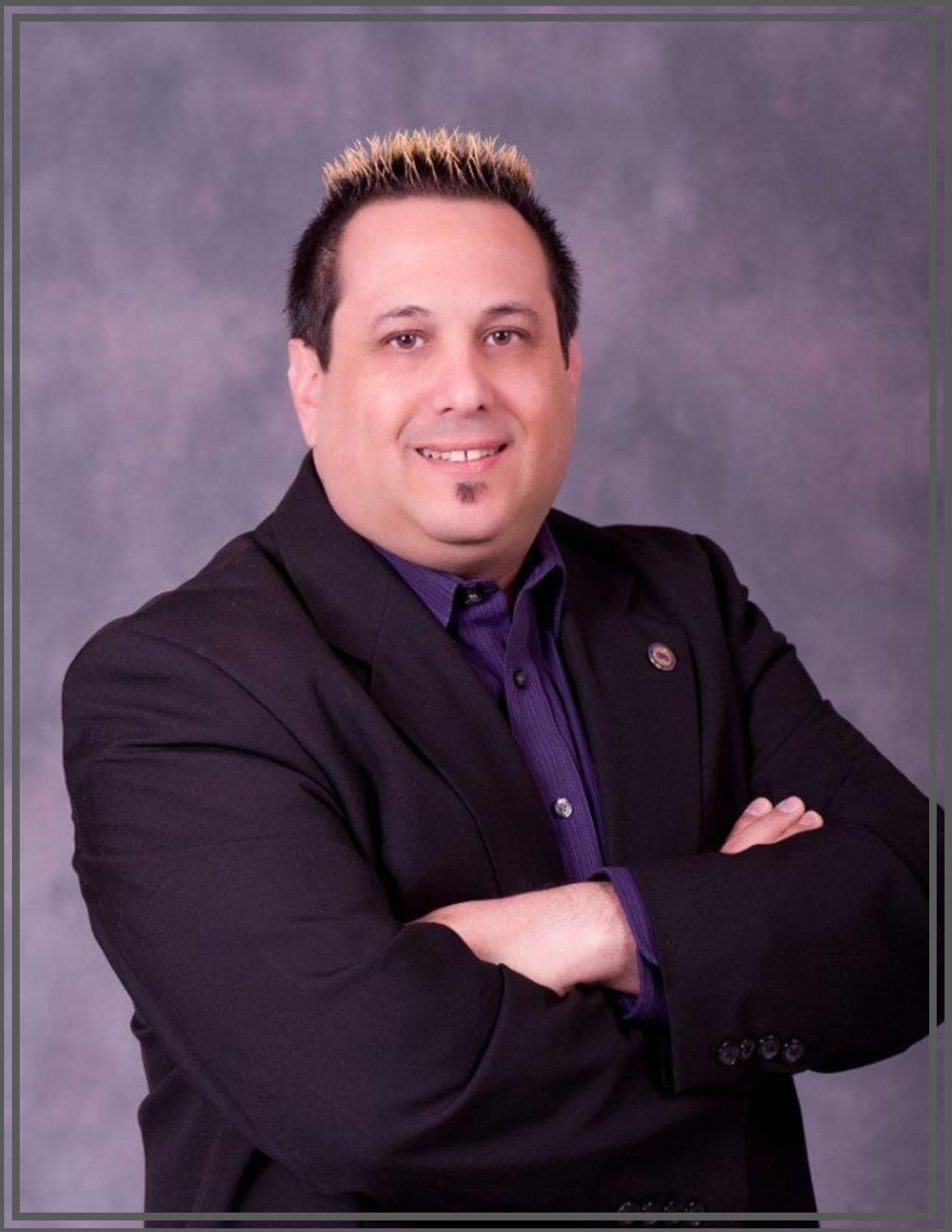
President - MaxEdutainment, INC
Michael DeSchalit is the Founder and President of MaxEdutainment, INC, which is a non-profit 501(c)(3) organization who's mission is to provide impactful, educational, and empowering programs for schools and youth organizations through dynamic, motivational presentations that intentionally blend magic, hypnosis, and engaging messages to build confidence, leadership, personal growth, and goal achievement.
Michael was inspired to form MaxEdutainment by his 25 plus years of working in the schools striving to complete the same mission but nowadays, the schools just don't have the save budget they used to have. So the hope is to be able to find grants and donors, corporate and private, that want to make a difference in the lives of young people to help fund these programs.
When Michael isn't working on the Non-profit, you can find him performing on stage somewhere across the country at a college, corporate event, fair, performing arts center, private event, or right here in Las Vegas where he has been a Resident Headliner in the "House of Magic" show at the Silver Sevens Hotel and Casino. He started the show with comedian and producer Don Barnhart almost seven years ago. The show has changed venues a few times over the years but has always taken pride in being one of Vegas' only Five Star Family Friendly Magic Shows.
Michael recently released a new book titled, "Finding Your Voice and Living Life Out Loud". The book is a practical and inspiring guide to finding out who you are, what "your voice" is, overcoming limiti… Read More