Ep38 Eva Peterson—The Free Insurance Broker Protecting Henderson Families From $10,000 Medical Bills


Contact Eva Peterson for a free insurance consultation: epeterson@healthmarketswithans.com
Don't forget to SUBSCRIBE to the HendersonHQ Newsletter: https://hendersonhq.com/Subscribe
Check out our website for all our local stories & community updates: https://hendersonhq.com/
Follow our Instagram for deals and cash drops: https://www.instagram.com/TheHendersonHQ/
Interested in advertising in our newsletter to 25,000 local Henderson residents? Let's book a call: https://calendly.com/scottgrovesteam/catchingup
______________________________
Scott Groves sits down with Eva Peterson, an insurance broker certified across 20 different carriers, to break down why the cheapest health plan is usually the most expensive mistake you can make. Eva explains the number most people never check before picking a plan, the maximum out of pocket, which can run into the tens of thousands of dollars even when you're fully insured and paying your premium every month.
In this episode, you'll learn why a bronze plan's low premium comes with a bigger financial gap if you actually need care, how a fixed benefit supplemental plan can cost as little as $120 a month and pay out $10,000 if you're hospitalized, and why Nevada residents have options, like the Health Protector Guard plan, that California residents don't.
Eva also walks through the maze of turning 65: the lifelong penalty for enrolling late in Medicare Part B, why staying on Cobra can quietly cost you that same penalty, and the six-month window you get to enroll in a guaranteed issue Medicare supplement plan.
Scott and Eva get into why medical billing runs so much higher through insurance than cash pay, why premiums are climbing 10-14% this year, and how Eva is growing her business after moving from California to Henderson using networking and Google reviews.
Eva Peterson 0:00
Is this least expensive plan going to work for you and your family? When I sit down with somebody, the first thing I say is, "How often do you go to the doctor? If I hear something like, "My daughter and my wife need to go several times a year, my wife has this issue, my daughter has this issue. Your options are: you can go with the lowest premium. You're going to pay more in copays every time you go if you just go with the lowest plan.
Scott Groves 0:28
Welcome to Henderson HQ. This is the podcast where you get all the stories behind the businesses that make our community tick. Don't forget to subscribe to our weekly newsletter. Hey, ladies and gentlemen, it's Scott Groves with the Henderson HQ podcast newsletter website. Don't forget to subscribe to all things Henderson HQ at hendersonhq.com. I'm actually here with my new friend Eva. We're going to talk a lot about an interesting subject to me, maybe to you, of insurance, but how to build your business if you're a sales professional. Why insurance actually matters. Insurance is one of those things. I remember seeing the State Farm commercial or Farmers commercial from years ago. Actually, it was Allstate, where they show this nerdy kid walking through high school and he's getting beat up and he's getting pushed into lockers and whatnot. And then you go to the big high school football game and it's tied 1717. And at the very last minute, the nerdy kid comes in because he's the field goal kicker, and he kicks the game-winning field goal, and he's the big hero of the school. And it says, much like your kicker, nobody cares about your insurance until it really matters. And so it's one of those things where it's like, yeah, we don't really think about this stuff, our health insurance and whatnot, until it becomes an actual issue. And I'll tell you something I've mentioned on the podcast before: we've been dealing with this ongoing stomach problems with my daughter, and it's it's undiagnosed, and it's this infection, and then they have her on antibiotics for too long, and then she's backed up, and then she has this problem, and it's like just trying to find the right doctor that's in plan and go to a specialist, and then go down to Children's Hospital in L.A. Like navigating insurance has become the bane of my wife's existence. On top of the fact that she's now keeping a spreadsheet of my daughter's bowel movements, which she thought she would never be doing, but yeah, first of all, maybe you could just tell us like, why does insurance matter? Why is this something that people should actually be reviewing when they're young and reviewing when they get older? Like, let's just start there. Why does insurance matter? Because everybody just kind of thinks like, oh, I have insurance through my work, or I bought the Obamacare plan, and I'm fine. I'm covered. But are they really covered? Like, why? Why does this stuff matter? Why should people listen to this conversation to begin with?
Eva Peterson 2:27
Well, firstly, we all think we're covered because we have insurance, whether it's through your employer or off the marketplace, which is Obamacare Affordable Care Act insurance. But what people don't realize is there is a maximum out-of-pocket with under 65 health insurance specifically that can be and is 1000s and 1000s of dollars. And what that means is, depending on what plan you're on, if you need medical care over and above things that are covered by a copay, you will pay out of your pocket up to that maximum amount, maximum out of pocket amount, because that's the way the insurance plans are structured. This usually applies to things that are over and above primary care visits, specialist visits, some lab tests. Depends on your plan. If you have a bronze plan, most everything outside of that is going to require a deductible to be satisfied, which is going to be several 1000s, and that's not even your maximum out of pocket. By the time you get a hospital visit or whatnot, you could be putting $10,000 out of pocket, fully insured, fully covered.
Scott Groves 3:34
Yeah. So I had this experience. I think it was two years ago. We just picked whatever the cheapest insurance plan was because we're like, ah, we're a pretty healthy family, whatever. I got this gnarly, undiagnosed bacterial infection in my ankle. It swelled up to like the size of a basketball, and they had to do all kinds of disgusting stuff that I won't share on the podcast to cut it out. And so it was a pretty high level emergency room visit. Tons of antibiotics. They pumped me full, all kinds of stuff. And then we got home, and we got like a $3,000 bill, right? And so, sure enough, my wife calls and is like, "Hey, I think this is covered by insurance. They're like, "No, your plan deductible is like $3,500. And we're like, "Okay, well, we paid it. Not happy about it, but at least now, if we have another hospital visit, like it's kind of covered for this year. We paid our 12 month allotment of like our deductible. Well, then with my daughter's stomach issues, then she went into the hospital. We got another $5,000 bill, and they're like, "No, it's actually $4,500 per participant per this per plan per divide by pi based on is Mercury in retrograde. And so I was like, by the time we were done paying for all this, I think we paid you know on top of our $1,800 a month insurance premiums, so 20 something grand a year. Then we paid another 10 grand out of that, and it's like at the company I was working at the time, they didn't even have like a person I could go to and be like, "Hey, what did I what did I pick wrong? What do I do during open enrollment? Like a lot of companies don't have an insurance specialist to even help you through your work offered plan. So is that something that you do, by the way?
Eva Peterson 5:00
Absolutely. Okay. 100% I consider myself an insurance advisor, a guide, if you will. I help people all the time that you know aren't enrolling with me that are just coming to me for information, advice, for help and guidance. There are things that change every single year in the marketplace and in employer-sponsored plans, but there are also a lot of solutions that people aren't aware of. And I am a broker, and so what I do requires no. I don't. It's a no-cost service. Your premiums will not be inflated, even $1. It costs you nothing, and I have access and training, and I'm certified in many different carriers and in insurance overall. So I have a really foundational level understanding of insurance that I can help guide you to what makes sense for your specific situation.
Scott Groves 5:55
Yeah, and what what does that usually look like? Like it sounds like the market has kind of already bifurcated, like employer plan, and then on the marketplace plan. So, can you talk about those two kind of like options?
Eva Peterson 6:07
Well, there is a third option that people don't know about, and there's also a supplement to either an employer-sponsored plan or a marketplace plan that people aren't aware of. So, when you get insurance through your employer or your spouse's employer, it's usually coverage that's a little better than say you would get on the marketplace for the price. So you you will still be paying for it most likely or a portion of it, but it'll probably be a little lower maximum out of pocket, a little lower deductible, things like that. So a little more like a higher level plan for maybe less money, just
Scott Groves 6:45
probably subsidized by the employer. I'm guessing
Eva Peterson 6:47
exactly with the marketplace, you can get a subsidy from the state from the Affordable Care Act. So when you get a marketplace plan, I plug in your annual household income and the number of people in the household, and then the little algorithm spits out, okay, you're going to get a subsidy, or you qualify for a subsidy of this much money every month towards any health plan you pick. So that number is going to stay the same regardless if you get a bronze plan or a gold plan.
Scott Groves 7:20
Got
Eva Peterson 7:20
it. Old is a higher level coverage.
Scott Groves 7:22
You know, I'm thinking about some of the kids. Well, I call them kids, but they're in their 20s. They're they're grown men. But some of the kids at jujitsu, the 20 year olds that are you know high level competitors, they probably have a job where they're just a contract employee, but they're frequently getting sick, injured, staff infections, things like that. What I'm putting you on the spot here, but for your general healthy 25 year old who just wants like a catastrophic plan, right? Like I I got stuck in the emergency room because I got some bacterial infection, and now they had to pump me full of $10,000 worth of antibiotics, which I have no idea why it costs that much, but that's a different podcast. What what's like a catastrophic plan for a generally, you know, healthy young man or woman, like what can they expect to kind of pay?
Eva Peterson 8:04
Well, it depends again on their annual household income and social
Scott Groves 8:09
limited,
Eva Peterson 8:09
limited. Well, they're going to get a decent subsidy, but that doesn't mean their plan's going to cover everything. If you're going to get a quote catastrophic level plan, which we call kind of like stopgap coverage, worst case scenario, you're not on the hook for $100,000. It's going to stop at 10,000, right? Also known as a bronze plan. If you do that, there are supplemental plans. That supplemental will pay you a fixed amount of money, whether you have an accident, whether you have a hospitalization, or and they're guaranteed issue, meaning there are no health questions. This is for young people all the way up to pre Medicare. So these plans, for an example, I'm going to talk about one. It's called Hospital Wise. It'll pay you $10,000 if you are hospitalized due to illness or injury. And why this matters is because the gaps, the financial holes in the plans that are the maximum out of pockets, that's what you're going to pay. Not only does it allow you to pay that bill, but oddly enough, has nothing to do with your health insurance. So if you never paid that bill, they would never even know or care. But what about loss of income? What about alternative treatments? What about prescriptions that you weren't planning on paying for that are very expensive, or any other things that may come up due to a hospitalization or an accident that you weren't planning for? And let's be real, nobody's planning for any of that.
Scott Groves 9:38
Right, right. Nobody plans to get in a car accident, break their arm, and end up in the hospital for two days with a you know I've seen some of the bills. Unfortunately, $25,000 bill. I mean, if if we didn't have insurance, my daughter's stomach problems like probably wouldn't have bankrupted us, but would have put us in a really bad spot. You know, we're probably upwards of $100,000 of care and mr. And scans and colonoscopies and all this stuff, and it's it's wildly expensive. This is another unfair question. Why is medical care in America so expensive to begin with? Like, why do we even need to be thinking about this of having the gold plan to cover everything? Because it seems like I don't know. It seems like if my insurance covers my MRI, which I need to have on my knee, it's $4,000. If I just call him, I'm like, I'm paying. Just fit me whenever you can. I'll pay cash. It's like 500 bucks. So why why such that discrepancy between what like we can pay cash? Will we get billed on insurance? Why do I have to pay for the insurance? Like I just I get so frustrated in the whole thing. So tell me why I shouldn't be frustrated or why I should be frustrated. I don't know.
Eva Peterson 10:40
Well, it is frustrating, and guess what? It's going up again this year. So, the premiums are going up 10 to 14% depending on where you live. And you are correct. There is cash pay billing, and then there's insurance billing, and they are very different. So, the insur when a medical facility bills the insurance, it's inflated. It's absolutely. I just recently saw this with myself, with my own. I just went and had a test done, and they said cash pay would be 195. Then bill bill my insurance 616. Do I know the actual answer to that, probably not. I know it exists, and I hear it all the time. I also know that the Affordable Care Act was never meant to last this long. It was implemented years ago with the plan of having being restructured at some point, which it has not. So the premiums are going up, up, up, and honestly, the Affordable Care Act, those plans, they're paying the doctors and the facilities. But this is why I'm such an advocate for supplemental. That pays you, that covers you, that helps you and your family with your bills or anything else you need, if and when an accident or an emergency happens,
Scott Groves 12:03
and so the supplemental obviously there's a cost for that, right? Like, do you have any idea roughly? You know, let's say my all-in family deductible is like 10 grand. We have an insurance plan. We've got a family of four. I think my health insurance premiums are up to like two grand a month now, or maybe more than that. Do you have any idea what like the supplemental costs are is it pretty cost effective or
Eva Peterson 12:23
extremely cost effective womb guaranteed issue meaning they can't turn you down so what this means is that the younger you are the less expensive they are right but as you get older even up to age 65 I would say the average cost for one person for a $10,000 hospital plan, and that's without any of the additional riders, which are also for emergency care. If you go to the emergency room, ambulance, X-rays, and diagnostics, outpatient surgeries, things like that. I'm going to quote it at about
Scott Groves 12:59
120. All right, that's
Eva Peterson 13:00
for somebody who's in their 60s.
Scott Groves 13:03
Okay, so probably less than that for kids. Yeah,
Eva Peterson 13:05
for younger people, for anybody who's middle age, extremely affordable and so worth it.
Scott Groves 13:13
That's uh, you know, if it's under 100 bucks, I spend more than that on iced tea at Starbucks every month. So that makes sense. Yeah, I was thinking of one of my buddies, Eric. Shout out to Eric. Glad that he's doing okay. He was dehydrated. Probably drank a little too much the day before. Sodium and magnesium, everything was out of whack. He had a seizure at at jujitsu one day and just kind of fell on his side. And body had had enough, and he didn't even really get choked out or put in a compromising situation. The body just said, "Nope, we're done.
Speaker 1 13:41
Yeah,
Scott Groves 13:41
and so it was you know fire truck, ambulance to the emergency room to the highest level of intensive care. They had to run a bunch of tests and MRI. I haven't seen it yet, but I'm guessing. Luckily, his wife's a nurse. They have amazing insurance, but I'm guessing the actual hospital bill, not thankfully what he'll be charged. You know, it's got to be somewhere around 100 grand for all the care because he was in there for two days while they kept him for observation stuff like that and it's like, you know, that's just somebody that like had a little too much to drink, probably was dehydrated and body shut down, and the immediate medical care, it's probably it would probably bankrupt his family, right? If he had to write a check for 100 grand, it's crazy.
Eva Peterson 14:19
It's probably more than 100 grand.
Speaker 2 14:20
Oh,
Eva Peterson 14:22
because I know I've heard of emergency room visits that were 13 grand for nothing big. So we're talking inflated prices, and this can bankrupt your entire family because you know they're going to send you that bill and they're going to want to recoup. So that is a big reason why people will get what I'm calling stopgap coverage, which is I need a plan, even if the maximum out of pocket is $10,000. At least it stops there, right? At least I'm covered at up to that amount. But to to fill that gap, a supplemental hospital. Or an accident plan, or both, is extremely cost-effective and so helpful.
Scott Groves 15:06
Hey guys, just a quick add from our sponsors here that make this podcast and our newsletter possible. Want to give a shout out to Ethereal Med Spa, a gym for your skin. So doesn't matter whether you're doing anything proactive, all the way up to spot removal, all the way up to beautification, right? Or vanity, ethereal med spa, they got you covered. Scott Wright over at Wright Auto Body, love them. So anything from a scratch and dent to a big insurance job, all the way up to a custom rebuild of a classic car, they got you covered. And shout out to my buddy Casey Halstead, owner of 10th Planet Jujitsu, which now has three locations. They just opened a new location on the west side, so they got our Henderson location, they got a Mid City location, and they've got a West Side location. So anywhere in the Valley where you're looking to train Jujitsu, check out 10th Planet Las Vegas. Now back to the show. So let's talk about our older audience, right? So that a lot of our readers, ironically, of the newsletter are between 50 and 70-year-old women because we get demographic studies on our our people that are readers. So for you know, you're starting to approach 65. That's when you're eligible for Medicaid, correct?
Eva Peterson 16:13
Medicare.
Scott Groves 16:14
Medicare. So you're eligible for Medicare at 65, and theoretically, you don't have to have your employer coverage anymore? Maybe you can't. Can you talk about what happens when you turn 65 in the medical system in America? Because luckily, I'm still about 17 years away from that. I'm closer to Medicare than I am to my army coverage 20-something years ago. Yeah. Can you talk about Medicare?
Eva Peterson 16:34
So one of the most confusing times for people is when they first turn 65. You get this great letter that says, "Hey, you're eligible for Medicare. You should enroll. But it doesn't really talk about why you should enroll in A or B, or A and B, and the penalties involved. There are lifelong penalties involved with Medicare Part B if you don't enroll in time. Lifelong penalties involved with Part D, which is prescription drug coverage, and it's not clearly explained to people with that welcome to Medicare letter. It's time letters. You know, if you're if you're turning 65 and you you are then eligible for free Medicare Part A, if you which covers hospitalization, if you have worked 10 years or 40 quarters, it's free, okay, no charge. And what you would do is you would enroll in Medicare Part A, and then if you have employer-sponsored coverage, Medicare Part A would become the first payer if you're ever hospitalized, and then your employer-sponsored coverage would become the second payer. Okay, that's how it would work. There is also a caveat that has to do with employer sponsored coverage. If you're 65 or over and your employer has 20 or more employees, then that is a time when that's considered creditable by Medicare. So Medicare has all these words. It's not understood very well at all.
Scott Groves 18:06
Right.
Eva Peterson 18:06
What does this mean? What should I do? Everybody's situation is different. When should I do it? Should I do it at all? When you turn 65 and you have that over 20 employee employer sponsored coverage, you can keep that, and you'll never incur a penalty for medic for not enrolling in Part B.
Scott Groves 18:24
Okay, well, what does Part B cover?
Eva Peterson 18:25
Part B is medical.
Scott Groves 18:27
Okay, so
Eva Peterson 18:28
males hospital B is medical, and D is prescription drug.
Scott Groves 18:32
And leave it up to the government. Part C just doesn't exist, or like
Eva Peterson 18:35
Part C is Medicare Advantage. Gosh,
Scott Groves 18:38
so confusing.
Eva Peterson 18:38
And then on top of that, I
Scott Groves 18:40
don't want to get old.
Eva Peterson 18:41
Medicare supplement plans you could get on in place of a Medicare Advantage, which I'm a big fan of. And people don't understand what's the difference, so that's what I do. Why would you want to do this? Does it fit in your budget? What's the coverage like? You know, what I get asked all the time, "What would you do? I'm 100 getting a supplement plan. That's just my personal opinion. The coverage can't be beat. You do have a monthly premium, but it's just such a great opportunity. When you turn 65, you have six months. Here's how it goes: You turn 65, right? You could stay on your employer-sponsored coverage if it's 20 or more employees and it's considered creditable for as long as you want, but as soon as that coverage ends, then you need to enroll in Part B, Medicare Part B.
Speaker 3 19:31
Okay.
Eva Peterson 19:32
So at that time, the clock starts ticking. You have a six month window to enroll in a Medicare supplement plan, guaranteed issue, meaning you could be very ill, and they can't turn you down.
Scott Groves 19:43
Even if you're over 65, you're in Part A, Part B. You still have to get a supplemental plan.
Eva Peterson 19:48
You don't have to now. Okay, you can stay on Original Medicare, which is Part A and B, but you have to have a prescription drug, Part D. So, see, I'm giving, I'm throwing, I can see your eyes. Crazy,
Scott Groves 19:58
yeah.
Eva Peterson 19:58
It's all scenarios. But you know,
Scott Groves 20:01
I plan to be senile by the time I'm 65. There's no, there's no way I would be able to manage this.
Eva Peterson 20:05
It's, it's a lot, but that's why you should always work with a broker. Again, no, no cost to you to use a broker ever. We get retrained and recertified every single year with every single carrier on Medicare. For me, that's I'm doing it right now. 20 carriers every single year, and with Medicare itself, we have to recertify. This is a highly regulated system.
Scott Groves 20:30
Yeah,
Eva Peterson 20:30
and people, if you can navigate it on your own, great. I don't recommend it, especially when you turn 65, because you've got door number one, door number two, door number three. My most interesting thing, and that people are completely unaware of, is they go on Cobra, and they say, "Oh, well, I've had Cobra for the last year, but they lost their coverage, their employer-sponsored coverage. They took Cobra, and eight months went by.
Scott Groves 21:01
And Cobra, real quick, just to interject, is that the guaranteed insurance for like when you lose your job or you're in between jobs or something like that?
Eva Peterson 21:07
So it's an offer. It's an extension of your employer-sponsored insurance, and they'll do it for sometimes 12 months, sometimes 18 months, and usually then it's done. So you pay for that, and it's pricey, but it gives you a longer period of time to where you can keep the insurance your family's used to, that you're used to, you know, while you figure out your next move. But for Medicare enrollees, they have an eight month window to enroll in Medicare Part B, or else they are going to get a lifelong penalty. And Cobra is not considered creditable coverage by Medicare, and people do not know that. So I have people. Is
Scott Groves 21:48
Cobra like a government required program? Hell,
Eva Peterson 21:51
it's not required. Or
Scott Groves 21:54
like the government requires people to offer it, right?
Eva Peterson 21:56
Yeah.
Scott Groves 21:57
So it's like you have this one government program in Cobra that doesn't the right hand doesn't talk to the left hand, so it's not. Yeah, that's not surprising, but kind of crazy.
Eva Peterson 22:05
So I'm just throwing a few things out at you, and everybody's situation's different, but there are so many things to avoid and navigate. And also, you know, what is the best plan for you? You're not going to know the questions to ask. I know what to ask. Right. What prescriptions are you on? Who do you see for your doctor? What's your budget for the month? You know where are you at in the enrollment penalty area? You know, is there penalties headed your way? You know, all of that.
Scott Groves 22:34
One of the things we talked about you and I before we started recording or when we when we set this up is the nice thing about being in Nevada, because you and I are both California transplants, is the overall marketplace or the available options in Nevada are actually better than many other states like California. Can you talk a little bit about why that is and and what do you mean by like options?
Eva Peterson 22:54
So, as an example, in California, you have to get a plan off the marketplace. There aren't any other options other than that, an employer sponsored in Nevada, you can go on the marketplace, or you have employer sponsored coverage that's offered to you, or you can get a fixed benefit plan, like we have a health protector guard plan that is an actual supplemental insurance plan that covers all your doctor's visits, tests, X-rays has hospital stopgap coverage. It's it's not quote insurance, but it's a health plan, a fixed benefit health plan that pays a certain amount of money and the same amount of money-that's what the fixed benefit means for every service.
Scott Groves 23:44
Got it, got it. Yeah, I think about it. So my family-we have a horrible health history with the men in our family. So I've been going to cardiologists since I was like 25, like keeping an eye on the cholesterol and all this stuff. My dad, who since passed, had. But so I'm 47. By the time my dad was my age, he had had two heart attacks, a stroke, quadruple bypass. So, like, I'm just trying to stay ahead of it. And luckily, the the cardiologist who referred him to the surgeon when he got quadruple bypass was my former father-in-law, awesome guy, like head cardiologist at USC. So we got like the A plus white glove treatment, and he told me when when my dad got a surgery, he came to me and he's like Scott, he's like, your dad's overweight, he eats like shit, he smokes too much, like he's he's done all the things to try to damage himself, but the amount of damage that was done to his heart and the arteries going into the heart, unless it was genetically predisposed, you could not have done that much damage to your heart by 45 or 50 or however old he was, and so he's like, "You really got to keep an eye on this. So you know, when I go to cardiologists and then they do a you know calcium scan on my heart, and then I get on the treadmill and I run, and they do all the ultrasounds on my carotid artery and stuff. By the time that battery of tests are over, it's $10,000. Easy, and thank God, you know my insurance pays for it after I pay my deductible. But I think we will be having a conversation with my wife after this about supplemental care because between myself and my daughter, and who knows what else is going to happen with my kids doing jujitsu and football. Like it's likely we're going to end up in the emergency room a couple more times in their youth. We should probably have one of these supplemental plans. What other questions do people think, or what do people think they know about insurance that they need somebody like you to really sit down and advise them on? Right, because it's like it just seems like it's so overwhelming. Most people just go through their little employment benefits form or open enrollment. They're like, I'll pick option A, move on. Option B, move on. And the only one that seems to be easy is like vision coverage. Like, okay, there's one plan. I pay the same thing. I go to Costco. I have $100 deductible for my glasses and for my eye exam. That seems to be easy. My dog's pet care seems to be easier than health insurance, even though he's fully covered. So, what do people think they know about insurance, or the questions they forget to ask? What are some of the things that are are brutally wrong?
Eva Peterson 25:59
What people tend to go for is the lowest premium, which is completely understandable, especially when it's on the marketplace. But if you're picking an employer-sponsored plan, also honestly, I worked in high tech for a long time. I never had to think about this. I really thought about how much do I want to pay a month for health insurance through my employer, and I wasn't even aware of or thinking about maximum out of pocket worst case scenario. So, like we talked about earlier, if you pick a plan and it's the least expensive plan, what you're doing is your maximum out of pocket and your deductible is going up. Your premium, if your premium's low, your maximum out of pocket, and your deductibles high. If you go up, then you pick a higher level plan. You're paying more a month. You're actually buying down the deductible. You're buying down the max out of pocket. You're also buying down copays for visits. So what people don't understand is big picture financially. Is this least expensive plan going to work for you and your family? When I sit down with somebody, the first thing I say is, "How often do you go to the doctor? If I hear, "I never go, I just want to make sure that I am covered, right? Then I say, "Okay, you can get a bronze plan. You'll be fine. I would suggest a hospital supplemental plan with it, and here's why: because of that big max out of pocket. But if I hear something like my daughter and my wife need to go several times a year, my wife has this issue, my daughter has this issue, then risky our
Scott Groves 27:35
family.
Eva Peterson 27:35
Yeah, well, similar. Then immediately I say, well, look, your options are you can go with the lowest premium, but I want you to consider this one because you're going to pay more in copays every time you go if you just go with the lowest plan. So it depends on how often you go. Also, the prescriptions you're on, because the coverage is very different for generic and preferred non-generic prescriptions versus higher-level prescriptions. So these things are always my first go-to. It's a needs analysis. How often you guys go? What's going on with you? Are you going to a specialist? Some of the new bronze plans you're paying all the way out up to the deductible amount, which is 1000s to go see a specialist. So if you don't need a higher level plan, I'm not going to direct you there. I always start at the bronze, but people always go for premium, and they don't realize the financial exposure they're they're putting out there. Now it's understandable, right? We all have a budget. That's the way life is, but that's why the supplemental plans are so great because they help mitigate and sometimes eliminate the financial exposure.
Scott Groves 28:49
Interesting. I want to go back to the older population over 65, not old, because I'm getting closer and closer to the age. But the the active the active older population, what should they be thinking about in general in their healthcare, right? Because it's like obviously I have this history with my dad's health and whatnot, so I kind of know what I'm looking for. Maybe talk a little bit more on like the actual health side of it. Like, how often should be people be going to the doctors, physicals, checkups, blood tests, stuff like that? Like, you know, when when you get that person that says, "Oh, I never go to the doctor, that probably also sets off alarm bells for you as well, right? Because it's like, ah, you should should probably be with the doctor once in a while.
Eva Peterson 29:25
Well, I have my personal opinion, but I do not dispense medical advice at all. Makes sense. Personally, I believe, especially when we get to an older age and in our 60s in Medicare, that you know, of course, the preventative things are important. Outside of that, it's again a conversation of how often you tend to go and why, what's going on with you. So I know a lot of things about people medically, of course, because I'm helping them find a plan. I'm helping them find the right plan. But do I ever suggest to them, you know, oh, you should do this, that, or? The other no, most of my suggestions are about. Hey, did you know that you can get your prescriptions? Even though Medicare requires that you have a Medicare prescription drug plan, you don't have to use it for your insurance. You can go the GoodRx or OptumPerks because this the older population is spending a fortune on prescriptions. That's what's a big hitter for them, and so I'm entering in prescriptions every day for people, and I'm noticing, you know, some people have a lot of them, some people have very few. Sadly, the ones that have very few are the smaller crowd. But when you are looking for a plan, or you're trying to consider that's a huge amount of money coming out of your pocket, but should absolutely 100 be considered. All the carriers will send you healthy tips and articles on what to do. And AARP puts out a monthly newsletter if you're a member about you know healthy things that you should be doing. My personal opinion is everybody should be walking,
Speaker 4 31:02
right?
Eva Peterson 31:02
That's per you know, but it's hard for me as an insurance advisor to tell somebody how to live their life or or their lifestyle. Yeah,
Scott Groves 31:11
that makes sense. Yeah, I think about the prescription drug side of it. When I first started going with a cardiologist and my cholesterol was high, they're like, "Hey, we want to do some preventative cholesterol. I was on some generic drug. It was like 11 bucks a month, and then they're like, "Oh, well, there's this new Rowan statin. Blah blah blah blah blah. You should be on that. It's like $100 a month, and I'm like, "Okay, well, whatever. It's going to keep me alive 10 years longer. And now there's this PKA PKS nine inhibitor or something. It's like a shot that you actually get once a quarter to bring the cholesterol down and like prevent heart disease, but that's kind of like still on patent, and so the insurance company doesn't want to pay for it. So they're like, "Well, you can pay for it out of your pocket, and it's like 500 bucks every couple months or once a month or whatever. I'm like, "Well, that's going to keep me alive. But it's like the escalating costs of drugs as newer, more efficient drugs come out. I can only imagine, and I'm again pretty generally healthy 47 year old. If you're an unhealthy 70-year-old, you might be on what two, $3,000 a month worth of prescription drugs.
Eva Peterson 32:08
Well, there is the Inflation Reduction Act that was passed. I think it was a year ago that says whenever prescriptions reach $2,100, that's this year. Then that's it. They all go to zero. However, that doesn't mean that your prescriptions will be on the formulary and covered. That's very different. So, like you were just talking about this heart disease.
Scott Groves 32:32
Yeah.
Eva Peterson 32:32
Okay. So it's new. It's going to take a while to catch up. Right. In the meantime, your choices are pay out of pocket. You can go through GoodRx, which is a coupon company, or OptumPerks, same thing. You can go through a different pharmacy like Amazon or another one, see if you can get a break there. Or what people don't know is the drug manufacturers. If you go to their website, some of them will have coupons there, and that's one way to work around it. Now, at some point, if time goes by and it ends up on the formulary for whatever plan you're on, then of course you're going to get a better rate for sure. For an example, next year Medicare is going to pay or cover Ozempic. Oh, that was never something that was covered before. It was not on the formulary, but now some time has gone by, and they believe that if you are prescribed Ozempic for, you know, say you're diabetic or whatnot, then and it as a weight loss to help prevent diabetes is what it's for. Is my understanding that it's worth it. So they went. It took a while. Oscic's been what around what three, four years? Yeah, longer.
Speaker 5 33:48
Yeah,
Eva Peterson 33:49
yeah. It took a while, but this next year it's going to be on the formulary for some carriers.
Scott Groves 33:54
Yeah, I think it was 10 years ago. I had a acquaintance, not really a friend or acquaintance, that had like hepatitis C, and which is like just a lifelong challenge, drugs, whatnot. And then Gilead or something came out with this pill. It was like four pills, and hepatitis C is is cured. And I'm sympathetic to the pharmaceutical companies because they probably spent 100 million, $200 million designing this drug. So the pills were like $50,000 a dose or something like that, and it wasn't covered by their insurance. So this gal was she was debating like, okay, how badly do I want to get rid of this disease? Do I want to get rid of it now? Do I want to get rid of it in a couple years when it goes on the schedule that'll be covered by my insurance? And I'm like, what a horrible decision to have to make if you're like, do I cure this disease? Do I wait a couple years? Do I spend 200 grand and take out a second mortgage on my house to to get. I mean, it was just, and I'm sympathetic to both parties, right? Because I'm sympathetic to the person that maybe can't afford it. I'm sympathetic to the drug company that like needs to recoup their money for this miracle drug that they created. There just doesn't seem to be a lot of easy answers. But I want to switch gears a little bit because you know you grew your. Business in California moved out here. You're growing your business, and just like anybody else that sells a product or service, you have to lead generate, right? You have to build the business, and a lot of people that watch this show are business owners. What have you found about moving, restarting your business, having to put yourself out there to the public, having to do things like this, this podcast, to like lead generate for people you can talk to? Because even if your services don't cost anything to the end consumer, you still have to get the name out there that you know you can help with the you can help with this stuff. How have you been doing that in Nevada after moving from California? I
Eva Peterson 35:30
just recently said, "Wow, I wish I could mentor somebody who is in my business because I've been doing this my fourth year now, and I know what works and I know what doesn't work. So networking is huge, especially when you're in a new area. Networking is huge. I am part of a BNI group. I go to networking events around Henderson, and I keep my eye out for networking. One great thing about Eventbrite or all events is you say you're interested in one thing and then it's going to shoot you more of the same and you're like oh okay this is going on this works so networking's huge secondly one of the biggest things that has helped me is Google reviews so in the state of California I have a business what do they call it? Google Business Profile. Business Profile. There, I ask all my clients after we're done and we've enrolled, and I sent them a summary of what's going on. Could you please send me, give me a Google review, and they are more than happy to do it. And I can't tell you how many people call me and say, "I found you on Google, you have great reviews. People really like you, and so the light bulb went on. And I go, okay, I need to do this in Nevada. So now I've got a Nevada Google business profile, and I'm planning to do the same. But the networking is happening on the regular. So I saw your newsletter, and I thought, oh my God, this is great, right? It's Henderson. It's where I live. It's all the things I like to do. This is helping me, you know, figure out what's going on in the area. It's also advertising local business owners, and that's how I reached out to you.
Scott Groves 37:16
That's awesome. How long does it take to rebuild a business? Like, obviously, you had a big book of business and a big referral network in California. How long do you think it's going to take you to replicate that in Henderson?
Eva Peterson 37:27
I want to say a year, maybe two.
Scott Groves 37:29
Okay, that's pretty. It's pretty amazing. Still
Eva Peterson 37:30
have a big book in California. I'm licensed in California, Nevada, Arizona, and Florida, and I'm kind of focusing on Nevada because I really like the options that Nevada offers to its residents, that I'm really focusing on that and trying to help people during the upcoming open enrollment and annual enrollment for Medicare. Hey, did you know you have these other options? When
Scott Groves 37:58
does that happen? By the way, what's the what's the perfect window for people approaching 65 or under 65 to look at it. So
Eva Peterson 38:04
when you're approaching 65, it's a you know it's an age thing, right? And whether or not you need to enroll in Part B, so that can happen all through the year. Outside of that, and a special enrollment period, which means you moved or something changed, right? Something significant, then you would have to go through annual enrollment, which is Medicare's open enrollment, and that's october 15 through december 7 every year.
Scott Groves 38:30
Okay,
Eva Peterson 38:31
you can make a change or enroll into any Medicare plan that's Medicare Advantage or a prescription drug during that time. You do not have to have a special enrollment. Same with open enrollment. So I just found out today, open enrollment's been extended, I believe, till january 15. So under 65 health insurance is going to start november 1, and it's going to end january 15. That's your window to enroll in a health plan. If you didn't last open enrollment, or you didn't have a special enrollment, like you lost your current coverage through an employer or another avenue, or you got married or had a baby or something, some life change.
Scott Groves 39:14
So for the for the young men at jujitsu, I got to tell them after November 1 to talk to, be like, you got to be on some type of plan, like you got to be on some type of catastrophic plan.
Eva Peterson 39:22
Well, but the great thing is, if they're Nevada residents, they can get on a health protector guard at any time. There is no open enrollment for that, and that's another. I'm glad you brought that up because that's another thing that is great about the fact that they could apply for that. There's just a few health questions. It's affordable, very affordable compared to the marketplace. It has stopgap coverage. It pays a fixed amount towards every medical service that you would want to get: X-rays, physicians, specialists, prescriptions, all of that, and that does not have require open enrollment.
Scott Groves 39:59
Okay. Talk about moving to Henderson because we were both California transplants, and we were just talking about the heat before we started. Like everybody talks about the heat, but what have you found that you love so far about living in Henderson? Like, what brought you here, and what are what are some of your favorite things about the city so far since moving here?
Eva Peterson 40:14
So I did a very unusual thing for me is that I was in California, I was born and raised there, and I realized it was time. It was time to go. And I, I'm gonna, I'm just gonna say this because one of my clients said, you know, I told my daughter this, and she said that's the best thing I ever heard, which was I said California did not want me there anymore. I, it was clear as day that I needed to move. I wanted to make a move out of state. I had heard about Henderson. One of my fellow agents had said to me, "You know, my ex-husband and my daughter very different in age groups. They're in Henderson, and they said there's never a shortage of things to do. So I started looking into it, and I started, you know, you think of Las Vegas, right? It's hot. Nobody's ever outside, so I saw all these pictures of trees and greenery and all these things and families bike riding, and I thought this is not what I pictured.
Scott Groves 41:13
Right.
Eva Peterson 41:13
So I started looking in Henderson and I started seeing all the nature, the lakes, all the places to hike, all the places to go, and also in Henderson, I kind of like a smaller town feel.
Scott Groves 41:26
Yep,
Eva Peterson 41:27
I do like that. Where I live, you know, I saw the kids leaving their bikes out on the lawn, and I thought, oh wow, this is awesome.
Scott Groves 41:36
Right.
Eva Peterson 41:37
So I, I kind of like that. I, I feel like Henderson is kind of a mecca of great places to eat. I love the local casinos. I had no idea before. I the only time I ever went to Las Vegas, I was on the Strip where I had only been a handful of times. I had no idea how beautiful the local casinos are. I love Green Valley Ranch.
Scott Groves 42:00
Yeah, we're at Hanks just the other night having happy hour, best happy hour in town. I think three to six guys get the sliders and the martinis, like $5 martinis and $4 sliders.
Eva Peterson 42:09
That's what they're known for. But also the M, you know, is not far from me, and I just went to their pool and went to someone's birthday party there. And there's a top level place to have happy hour or to eat-that's amazing with amazing views. I just keep discovering every month, every week something new that I like about Henderson and the just this local area. So for me, I'm kind of an active person, so I like to hike and walk and work out and do all of that, but I have so many other things that come up that are very commu. They have a community feel to it. You know, in my neighborhood, they're having movie night with food trucks right once a month for the kids. They have National Night Out. They have they have a lot of things. So Henderson for me has been a great move, and I did come here to be honest with the thought of, well, if it's not my place, then at least it gets me one step out of California, and maybe somewhere else is my place. But so far, so good.
Scott Groves 43:15
Far so good,
Eva Peterson 43:15
except for
Speaker 6 43:17
the
Eva Peterson 43:17
centering heat.
Scott Groves 43:18
That's how we feel too. Like, you know, we'll put up an ad up on Facebook to get subscribers, and people like, "Oh, I hate Henderson. There's nothing to do. I'm like, "Well, then you're just not looking around because every week we have to curate what goes in the newsletter, and there's way more content than there is space in the newsletter before it starts looking like spam and whatnot. Like, there's always something to do here. And you mentioned the restaurants. The thing I love about Vegas is like bad restaurants can't survive. There are so many good options that, like, you can go into any strip mall, find a sushi place, find a taco spot, and it's going to be good because, like, bad restaurants-they don't have an option. They can't make it here. There's just too many choices. Right. So yeah, our our family has exceeded our monthly budget every month on eating out because there's just too many good options.
Eva Peterson 44:00
Yeah, but also just fun stuff to do. It's, I mean, I don't have younger kids anymore, but if I did, there would never be a shortage of things to do. But even on, you know, out in Henderson every weekend, I'm always seeing something to do. There's always groups coming up. Oh, we're meeting here. People seem more community oriented here. I feel it, and it didn't matter at all that I didn't know anybody. Everybody was very welcoming, and then I, like I said, I would go like on all events or Eventbrite, and I would say, "Oh, I'm interested in this, and then I'd see more and more and more, and I'd start going to these things and going, "Oh, okay, I like this or you know this was okay but it was a one off or whatever and so I started expanding my you know area of of things that I would do and then now it's funny because one of my friends she said how do you know about all this stuff going on and I said well I just look. I I go through. I see things I saw on your newsletter. There was many things there, and that's what piqued my interest. So I'm always on the lookout for happenings.
Scott Groves 45:11
Yeah, you know that community feels really interesting because you know born and raised in Los Angeles. I lived in. We moved a lot, so I probably moved. I probably lived in 25 houses from you know zero to 40 something when I moved out here, and I rarely knew my neighbors. You know, people. I understand people are frustrated about the construction on Boulder Highway, but it's like okay, it adds three minutes to your commute, five minutes to your commute. At the end of the day, in LA, as you know from the Bay Area, going anywhere is like our table stakes in traffic to get anywhere, and so yeah, my my best friend lived out in Ranch Cucamonga, my other best friend lived in Marina del Rey, and my other buddy lived in L. We never got together because it's like three of us were going to be driving an hour and a half, and here from the community that we've built at the jujitsu gym and the school that my wife owns and everything, it's like we can put the bat signal up at 4o'clock on a Saturday, and have a dozen families here by 5o'clock watching the UFC fights and having a potluck and whatnot. And that, I think, people don't understand when they come from a big city like LA with traffic and just the soul sucking commute. That doesn't happen, and there's no place in Henderson I can't get in 15 or 20 minutes. Yeah. When people are like, "Oh, I'm not going to drive all the way out to Summerlin, that's 30 minutes away. Like 30 minutes away, like an hour was table stakes where I grew up. So yeah, I understand people have some complaints. I understand there's a lot of construction on the freeway in Boulder City right now. Just live with it because it's better than so many other places. Any last thoughts on insurance or how do people get in touch with you? When should they get in touch with you? Like when when should they be working with you to review this kind of stuff? Obviously, we're coming up on open enrollment for both Medicare and DIVA plans. But tell tell people more about where they can reach you and when they should talk to you.
Eva Peterson 46:49
So people can call me or email me at any time. My email is e p e t e r s o n e peterson@healthmarketswithans.com.
Scott Groves 47:00
Okay, make sure it's on the show notes and everything as well. Yeah,
Eva Peterson 47:02
I would advise people to reach out whenever they think they want to know what their current insurance actually covers versus what's available to them, whether it's open enrollment or not. Because, like I said, in Nevada, there's so many options that aren't don't require you to wait till open enrollment, and there's different choices for people in for Nevadans, you know, to to think about. Also, the supplemental that I referenced, you can do that at any time of year. That's not subject to open enrollment. That is huge to help cover those financial gaps, especially if you have kids, especially if you have 1000s of dollars on your max out of pocket, which sadly most everyone does right now.
Scott Groves 47:48
Right, my wife and daughter just left for Mexico for a trip to go down there for a quininero. But when she gets back, we're going to talk because I have heard from some people that do you know similar work as you. It's like even some of the employer plans have gotten so expensive. You might be able to craft something better and more detailed for your family situation on the open market and opt out of your employer plan, and that would have been unheard of 10 years ago, 15 years ago. But there's, I'm glad to know that there's more options. Obviously, we're coming up. This will, I think, this episode will drop in a week or two, so we'll be coming up right on that open enrollment for for Medicare on october 15, and then for anybody that needs a plan, or like you said in Nevada, we have options that you can sign up for the health. What do you call it? The health coverage
Eva Peterson 48:32
protector guard.
Scott Groves 48:33
Health protector guard at any time. That's
Eva Peterson 48:35
an option.
Scott Groves 48:36
There you go. One more time with your email, so people can get in touch with you.
Eva Peterson 48:39
It's E. Peterson. E P E T E R S O n@healthmarketswithans.com.
Scott Groves 48:46
Perfect. Well, we will get this out in the newsletter because we do have a lot of readers that are right in that age bracket of where they need to talk to you. We'll make sure we get the podcast up, and I appreciate you being on.
Eva Peterson 48:55
Thank you so much. I appreciate it.
Scott Groves 48:57
Thank you. Hey, it's Scott Groves with the Henderson HQ podcast. I hope you got something out of that episode. If you enjoyed it, please don't forget to like, comment, and subscribe to the podcast. It really helps the show grow. And by the way, if you are a business owner or you know a business owner who has an interesting product, service, or just an interesting backstory, please, please get in touch with us. Email us at thehendersonhq@gmail.com. We would love to interview you because that's what this show is all about. It's about building community, supporting local, individually owned businesses, and just making Henderson a great place to live. And don't forget, go to hendersonhq.com and make sure you sign up for our newsletter. We send out a once a week newsletter, no spam, about the most interesting local businesses, hotspots, restaurants, community events. Thanks for watching the show. Really appreciate you.
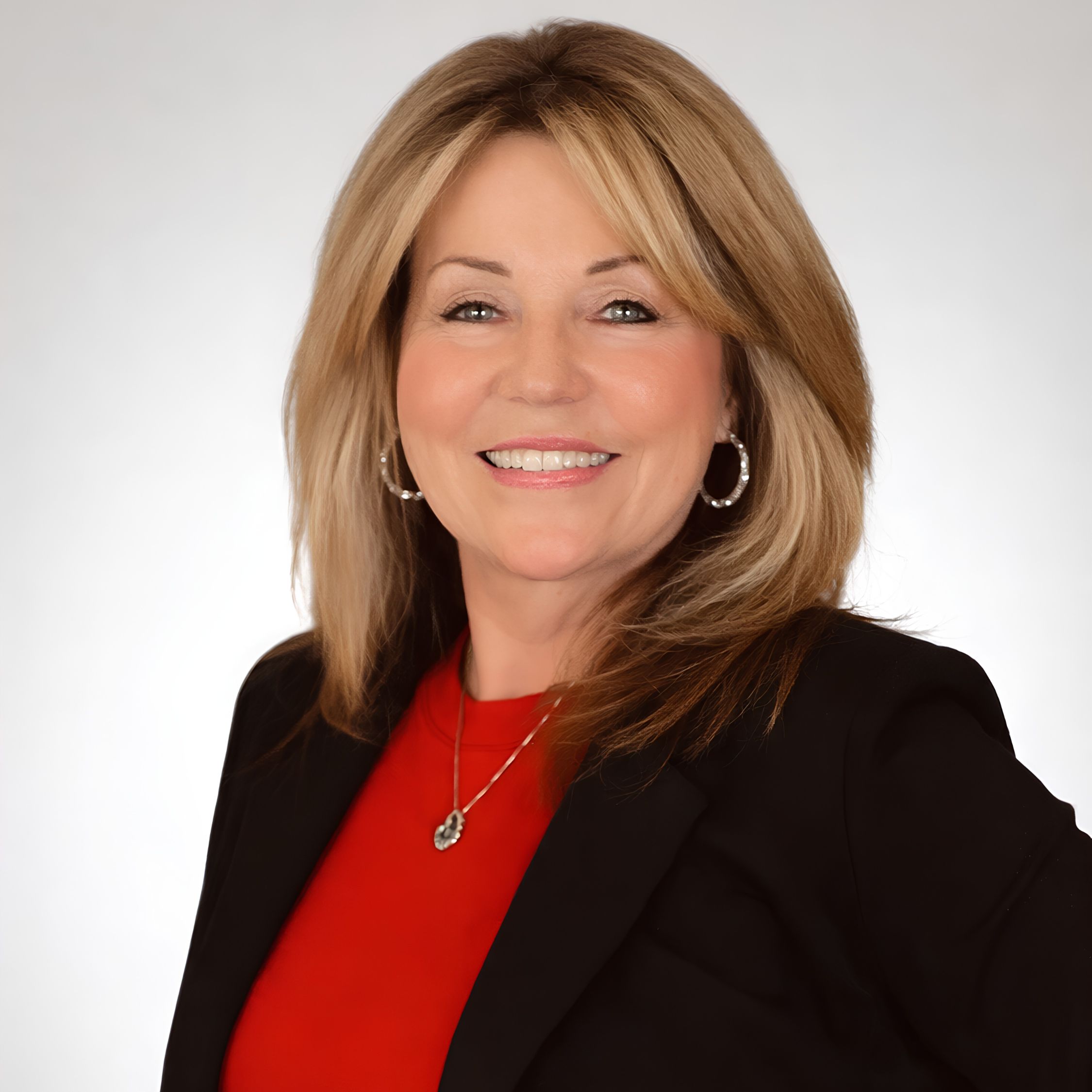
Licensed Health and Medicare Insurance Agent
Hi, I'm Eva Peterson, an independent Health, Medicare, Supplemental, and Life Insurance Advisor licensed in California, Nevada, Arizona, and Florida.
My journey into the insurance industry wasn't planned. I spent many years working in the high-tech industry, assuming I'd always have employer-sponsored health insurance. Then life changed, and suddenly I was the one trying to make sense of health insurance on my own. I remember feeling overwhelmed by the choices, deadlines, and unfamiliar terminology. It made me realize just how confusing this process is for so many people.
That experience inspired me to build a career helping others navigate one of life's most important—and often most confusing—financial decisions.
Today, I help individuals, families, and Medicare beneficiaries understand their options and choose coverage that fits their needs and budget. Whether someone is turning 65, retiring, losing employer coverage, becoming self-employed, or reviewing their current plan, I believe they deserve honest guidance, personalized service, and someone who truly listens.
I believe health insurance isn't just about choosing a plan—it's about protecting your health, your finances, and your peace of mind. Health insurance is one of the biggest financial decisions people make, yet it's one of the least understood. My mission is to educate first, simplify the process, and help people make informed decisions with confidence.