Ep32 Paris Mahan—The LinkedIn Formula Getting 3.6x More Engagement Than Everyone Else's Posts


Connect with Paris and learn more about Mahan Marketing: https://mahanmarketing.net
Don't forget to SUBSCRIBE to the HendersonHQ Newsletter: https://hendersonhq.com/Subscribe
Check out our website for all our local stories & community updates: https://hendersonhq.com/
Follow our Instagram for deals and cash drops: https://www.instagram.com/TheHendersonHQ/
Interested in advertising in our newsletter to 25,000 local Henderson residents? Let's book a call: https://calendly.com/scottgrovesteam/catchingup
______________________________
Scott Groves sits down with Paris Mahan, founder of Mahan Marketing, back at Henderson HQ to break down what's actually working in local marketing right now.
In this episode, you'll learn why blogging three to five times a week matters more now that AI search pulls straight from a business's own website, why 77% of consumers are starting to recognize and distrust AI-generated content, and how the 80/20 rule (80% evergreen content, 20% trends) keeps a brand steady while everything else online chases the algorithm.
Paris breaks down the exact LinkedIn formula she teaches clients: hooks under 60 characters, posts over 1200 characters, one sentence per line, and posts that always end with a question. She walks through the anatomy of a high-performing post, from the hook through the personal story to the actionable steps, and explains why posts with 41-plus line breaks pull in 3.6 times more engagement than everything else in the feed.
Scott and Paris also dig into brand consistency (why a business with six different fonts across six pages loses trust before a customer ever calls), the right way to separate a personal LinkedIn page from a business page, and how Henderson HQ's own Instagram numbers stack up when Paris pulls the data live on the show.
Paris Mahan 0:00
At Mahan Marketing, we pride ourselves on tailoring the strategy to your business. Like, I want to become your best friend. I want to know what you love, what you hate, what keeps you up at night, what you fear. You know what your dreams are, because I don't want your business to lose their voice. Like, your personality is your selling point, that is your advantage.
Scott Groves 0:21
Welcome to Henderson HQ. This is the podcast where you get all the stories behind the businesses that make our community tick. Don't forget to subscribe to our weekly newsletter. Hey, Henderson HQ, thanks for joining us on the podcast. I'm Scott Groves with the Henderson HQ website, newsletter, media company, all the fun stuff. We're here today with my old friend Paris Man, who's back on the podcast, talking about her marketing agency, all the things that she can do for local businesses here in Henderson and throughout Vegas, and we're gonna dive right into it, right, because people hear marketing agency, and they've either had a bad experience with a marketing agency or they don't really know what they do, so tell us what you do at your marketing agency,
Paris Mahan 1:01
so right now my bread and butter is growing presence on LinkedIn and also website creation. So I typically work with smaller businesses or new business owners who haven't developed their brand and help them develop their brand. Of course, I work with all the other social medias, but right now I really got, really got my fingers in LinkedIn,
Speaker 1 1:21
okay.
Paris Mahan 1:22
And then I love creating websites, so that's also like one of the big things.
Scott Groves 1:25
Can you talk about like why those things need to work together, right? Because I think people, they're like, oh yeah, I do Instagram, I do LinkedIn, I do this, and then I go and there's like literally different contact information on the different websites, there's different branding, there's just there's not like a through line to tell the story, so maybe I answered the question for you, but can you talk about why it's important to actually employ a market marketing agency to like set all this stuff up correctly, or do a little, like a little revision for you?
Paris Mahan 1:52
I feel like the biggest thing is is professionalism and credibility, like if you have a different color scheme on each website, or you know your website has six different fonts on each different page, and they're different sizes, like it just.. it doesn't look professional, it doesn't scream credibility, like, how am I supposed to trust this business? And they can't even trust their employees to keep their, their brand uniform across the different platforms.
Scott Groves 2:19
Why? Why is it important? Like, obviously, we think about giant brands. Everybody, I can just say the word Nike, and they know exactly what the Nike symbol, the font, the swoosh. They know exactly what it looks like, right? But I'm guessing most companies in Henderson are not, you know, multi billion, almost trillion dollar companies. So, why does that matter for, like, a smaller brand, per se?
Paris Mahan 2:38
I would say it matters because of, like, the presence, right, like you said, when you see, think of Walmart, you think of, you know, their little star, or whatever it is, it's, it's that like knowledge, it's the word of mouth, when you, when you think of that company, you want something to be behind it that you recognize across the board, so even for smaller companies in Henderson that maybe aren't going to scale to billions of dollars, being able to be recognized across Las Vegas and Henderson can be huge for a business.
Scott Groves 3:11
Yeah, I gotta, I gotta pick on my friend Casey Halstead, who owns 10th Planet Jiu Jitsu, best jiu jitsu studio in Vegas. Thank you, Casey, for the culture that you've built there, and not, but, and it drives me nuts that every time I drive up to Jiu Jitsu, they have a generic red and white, like Jiu Jitsu lettering. I don't know if you got a discount on that, or if he wasn't sure what brand he was going with, but it bugs me that it doesn't say, like, 10th Planet, because 10th Planet is a very recognizable brand worldwide, and I'm like, we have such a cool, like, brand and ethos of being like 10th Planet Jiu Jitsu. The fact that it just says like generic Jiu Jitsu, and I'm sure I know why he did it, because like people see Jiu Jitsu and they're like, "Oh, I'll check out Jiu Jitsu, but not everybody who's like potentially a new client knows what 10th Planet is, but I'm like, "Oh, the brand is big enough where I think anybody who actually cares or is interested would know, so that like that just bugs me to my core that the brand on the side of the building doesn't look the same as the brand that it actually is in the in the jujitsu studio on the website, so tell me about the, we'll pick on Casey, tell me about the pros and cons of him just having generic jiu jitsu to maybe adopt new clients, but like you actually have a really good brand.
Paris Mahan 4:18
Yeah, I would say the pro is it he like in a strip mall?
Scott Groves 4:22
Yeah,
Paris Mahan 4:22
okay. The pro is, is like you said, people see it and they're like, oh, jiu jitsu, but being a part of the larger organization, like 10th Planet,
Scott Groves 4:31
yeah,
Paris Mahan 4:32
people who know it, it gains a little bit more credibility and a little bit more trust if it would were to say, like, 10th Planet Jiu Jitsu, but maybe other people might see it and say, I don't know what 10th planet is, right? Yeah, so, yeah, there's pros and cons there, but I would say, if he's putting Jiu Jitsu in the title, The 10th Planet Jiu Jitsu, then people are still going to know it's Jiu Jitsu, yeah, but the people who also know 10th Planet are going to be like, oh, this is a credible studio with like. Nice backing.
Scott Groves 5:01
Can you talk a little bit for new business owners? You know, it's interesting. I remember being a new business owner. I remember times in my mortgage career, my coaching career, when I was flush with cash and broke and everything in between. So, you know, when a new business starts, I think a lot of new business owners think, like, oh, I have a great product or I have a great service, I just build it and they will come, and marketing is kind of a secondary thought, and especially whenever you charge $505,000 a month, doesn't matter. I think people really put marketing to the background. Can you tell the story why, especially new businesses need to have it in their budget to have somebody like you?
Paris Mahan 5:37
Yeah, so I do hear that a lot, like we have a great product, it sells itself right, but if nobody knows your product because there's no social media presence or there's no like website for them to scroll, then then how is your product gonna sell? Like,
Scott Groves 5:56
right,
Paris Mahan 5:56
Nike doesn't just, you know, like hope people come into the stores, they have commercials, they have ads, they have a huge social media presence. So it's just important to get the word out there, like your product will sell if it's good, and if you have marketing, it'll sell even more.
Scott Groves 6:12
How do you manage that? Like, you meet with a business and you're like, hey, walk us through the process, like, do you do set up, do you do ongoing marketing, do you like actually create their content for them. Like, I'm a brand new business, I'm gonna sell widgets. I don't even know what to name the company yet, right? We're gonna be Acme Widgets, or whatever. What do you do from, like, a consultative basis to, like, help them help them launch, or help them get the word out there?
Paris Mahan 6:36
Yeah, so I have a discovery call just to kind of find out what they need, so if they want, you know, social media management, I do content creation, and it depends on the different social medias that they want, and, like, TikTok, obviously, looks different than LinkedIn, so for business to business, I, I highly recommend LinkedIn. LinkedIn is huge when it comes to business to business, business to consumer, especially for like a local business here in Henderson, in Las Vegas. Tick tock is massive. So I walk them through like what what could help their business with what they're doing. If it's, you know, website creation, go through a discovery call and kind of what they want their website to look like, if there's any that they love or they hate, and try and work up something there, but yeah, I do it all. I do the management from the content creation, the website creation, depending on what they need. That's where the pricing comes in.
Scott Groves 7:31
And talk about websites, because I've heard everything from your website should be grandiose, and lots of tabs, and tells the whole story, and all kinds of backlinks to blogs and everything else, I've heard that, and then I've heard the Russ Russell Brunson, like, no, your primary website should just be a landing page to sell product, one page, static, very basic, whatever you're trying to capture, whether it's information or sell a single product or whatnot. How do you think about, like, website strategy, right? Because you go down, you can go down a massive rabbit hole, and I've seen people set up a website for 20 bucks, and I've, I personally know some people that have spent $200,000 on their website. So, how do you conceptualize, like, website design, and, like, what should it have, what shouldn't it have, and you know, just kind of, what are the do's and don'ts on websites?
Paris Mahan 8:17
So, right now, one of the biggest do's is blogs, like you said that I think blogs are huge for websites, especially because Google just implemented where now no matter what you look up, it's going to be that AI search, but what a lot of people don't know is that AI search is pulling from your website, so if you're posting blogs, and like most people don't read blogs, right, I don't go on my free time and go to a website, and read the blog, but the AI does, and so when you search up, you know, for example, Synergy Solution, it all the blogs that I've written have gone into the AI overview, and so it describes it exactly how I would want the business to be described, so blogs are huge right now. When it comes to like the one static page or multiple pages, I don't think your website has to be super grandiose. I think the really the number one things you need are like your homepage, right, that's your landing page, and then services, so people know like what you do, services or product, and then the contact page, and I do put the blog page on there, in case there are some people who do want to go in and read the blogs, but if you, you know, like, don't want the blogs on your thing, there's a way to do it on the back end where only AI picks it up.
Scott Groves 9:33
So, sticking with the example of Casey over at 10th Planet, if he wanted to get more organic traffic, have people, you know, they Google Jiu Jitsu in Vegas. If he wanted those people to find him, he should have a link on his website where you know every day there's a blog going up about some Jiu Jitsu move or some Jiu Jitsu practitioner or whatnot to basically tell Google and the AI models and Chat GPT and everybody else. Like it's kind of like your website's raising the hand and saying, hey, we're serious because we blog every day about this topic, or once a week, or once a month, or whatever. Is that, is that what I'm understanding? Like, we're almost, we're almost gamifying the website to help with search versus like adding value to the consumer.
Paris Mahan 10:15
Right now, I feel like Google ads are kind of leaving the space because, because of the AI overview, and so the blogs I recommend three to five times a week, and when you update it consistently like that, the AI picks that up, so it's one of the things that are like it's more likely it's going to pop up, kind of like your social media feed, right? Like when you're scrolling through LinkedIn, you're not going to see a post from two weeks ago, you're going to see a post from 30 minutes ago, so it's kind of following that same, that same logic.
Scott Groves 10:45
Is it kind of weird that we're gamifying websites where it's like my blog, written by AI, is really just there to be picked up by other AIs that are talking to other AIs, that it's like this weird circular.. it's just strange to me that we have to like gamify all this stuff just so the consumer can find us. It's like in my mind, if I'm putting out content, I want there to be a benefit to the consumer or a possible lead funnel for the consumer to like buy something from me. But I think what you're saying is like we almost have to gamify it to where like my AI talks to your AI, so we can eventually be found by the consumer, is that, is that kind of the world we're living in now.
Paris Mahan 11:24
Yeah, you just got to play the game, you know, like, and that's unfortunately the game right now. Like the blogs, I mean, of course, like I use AI as a tool to research what, what I should be talking about. I like to use, I do use a fellow hire, and I have it go and research the different topics of, like, what are pain points clients are talking about right now for the different industries I work with, and then I'm like, you know, write me up what this blog should contain about this specific pain point or this educational topic, and then sometimes I will have it write it up, but I do go in and like write it up in my own words or in the company's tone, because on the same note, the internet and social media are starting to recognize AI content and suppress or flag it, and consumers, I think it's like I read a study the other day, like 77% of consumers are starting to recognize AI content and not trust it. Yeah, and that leads me to a really good point about, like, you hear a lot of companies firing their marketing departments and just using AI, but with consumers trusting AI less and less, those brands are losing their voice, and not only are they losing their voice to AI, they're losing their credibility and their market. So, it's I think it's very important to have AI as a, as a tool, but not as your, your brand.
Scott Groves 12:56
Yeah, it's funny, there is - I won't call that by name, I don't want to pick on him, but there is a guy who sells products to the mortgage industry, and he's all in on AI. Every one of his posts about AI and what AI could do for loan officers, and why loan officers don't use AI, are going to be, are going to be left behind, and that may or may not be true, but you can tell all of his marketing, all of his posts, all of his graphics, it's all AI-generated to the point where, like, I feel kind of bad because behind the scenes he's kind of become a bit of a laughingstock, where I at least once a week I will get somebody screenshot one of his posts and be like, "Oh, I wonder what Skynet robot wrote this one. Like, clearly this guy has nothing to sell other than the fact that he can put some inputs into AI, and the outputs are this graphic, or this picture, or whatnot. And at first, it was, you know, this is going back about 12 months. At first, it was kind of comical and kind of fresh, but now it's just people are looking at, they're like, oh, that feels sloppy, like probably where the term AI slop has come from, but it just like his marketing now looks sloppy instead of like cutting edge, and it's crazy how quickly the consumer sentiment has changed on that.
Paris Mahan 14:06
Yeah, 100% And, and you know, your personality and your brand is your selling point when you have AI like writing all of your marketing posts, writing all of your social media, writing up your website, you lose your personality, your personality isn't there. And so now consumers are looking at it, and they're like, why would I trust buying product from you when I can go into AI and type up the same prompt you did and get a response in 30 seconds.
Scott Groves 14:36
Hey guys, just a quick ad from our sponsors here that make this podcast and our newsletter, possible, want to give a shout out to Ethereal Med Spa, a gym for your skin, so doesn't matter whether you're doing anything proactive all the way up to spot removal all the way up to beautification, right, or vanity, Ethereal Med Spa, they got you covered, Scott Wright over at Wright Auto Body. Love them, so anything from a scratch in dent to a big insurance job all the way up to a custom rebuild of a classic car, they got you covered. And shout out to my buddy Casey Halstead, owner of 10th Planet Jiu Jitsu, which now has three locations. They just opened new location on the west side, so they got our Henderson location, they got a mid city location, and they've got a west side location, so anywhere in the valley, where you're looking to train jiu jitsu. Check out 10th Planet Las Vegas. Now, back to the show. Okay, so what else should a website not have, or have?
Paris Mahan 15:30
Have definitely, I'm getting really into like the hero sections, when you know, when you first open up, and then it's like a big picture, like pretty colors, and then you have like just a little, you know, our business does this, and then the buttons, so heroes are huge. Most people join
Scott Groves 15:48
heroes, like telling the story of the hero's journey, or heroes like client, like, what do you mean by hero, or is this a technical thing I'm just not familiar with?
Paris Mahan 15:56
Yeah, so it's like a website section, that's just what they call them, like when you first pull up a website, it'll, it'll be like just a short little blurb of maybe like what they do, and then a button leading to contact them. It's like considered the hero because it's like the main CTA of the page. Okay, kind of telling you what you're getting into on the page. A lot of people don't read anymore.
Scott Groves 16:19
Sad.
Paris Mahan 16:19
Yes, very sad. So, less is more. Your brand colors, keep it uniform. Use readable fonts. People don't like, like, super crazy stuff, especially if you're going from, like, a business-to-business perspective. People just want something professional. You can use pretty colors, like my websites, like pink and orange and yellow, but you know, all of my fonts are readable. The size of the text isn't super small or too large.
Scott Groves 16:47
Let's talk about LinkedIn, which I know is like your kind of current baby passion, passion conduit. I stopped going to LinkedIn years ago because, like, I just couldn't take any more solicitations. It was, you know, when I was at the height of my mortgage career, it would be 10 a day, title officers trying to get my business, escrow officers trying to get my business, the number of recruiters that would be just like vomit information on me, we have this pay scale and this blah blah blah blah, and it's just like I got so sick of deleting messages and accepting, you know, 20 business requests a day, from our 20 friend requests, or connection, connect, connection requests, whatever they call it, 20 a day of title officers, of business development specialists, and whatnot. Like, I just abandoned the platform, like there was a moment in time, I don't know if it's still like this, where I got so spammy. LinkedIn is like my last place where I go to think about spending time, and when I do go on there, I'll have like 87 messages, and I can pretty much just like blanket select delete, which I don't even think LinkedIn lets you do that anymore. So, how do you break through the noise on LinkedIn, and what are like what are the things that you're doing to create business, like real business to business connections on LinkedIn, because I feel like it's, it's pretty much for me, at least, become like junk mail. It's like I just auto throw it away,
Paris Mahan 18:06
so like you said, a lot of things are spammy. It's really hard to cut through that noise. I work more on like the inbound leads, growing your presence to a point where you're credible, that people are coming to you for business, and of course I mean you're always going to get people reaching out and solicit
Scott Groves 18:23
marketers ruin everything, as Gary Vee likes to say, you guys are the worst,
Paris Mahan 18:28
feels fair, I hear that a lot, so LinkedIn has actually gotten a lot better with like the spam and the and the reaching out and they've put like a limit on how many notes you can send now unless you like pay for their premium or whatever, but one of the biggest things that that I do on LinkedIn is is growing organic growth on like your profile in order to make it credible, so there's a lot of like structuring of the posts and formatting that people don't take into account, like you may have a great story, but like I said, people don't like to read, so if you're not breaking it down into like 41 plus lines in a fifth to seventh grade reading level, and you have like one sentence per line. People aren't reading it,
Scott Groves 19:09
really,
Paris Mahan 19:09
really. We've
Scott Groves 19:10
gotten that dumb. I was watching some YouTube creator, I can't remember, was some gal who's like super famous on YouTube, and she said something similar. She's like, I take my script, my video ideas, and whatnot, and then I put it through a filter, probably some type of AI, where I'm like, dumb this down to a sixth grade level, because if the words are too big or the content is too dense, people just won't watch it, they won't, they won't read the show notes, or the, you know, the captions, or whatnot, and I was like, in some way, hey, very cool, thank you for that piece of that piece of knowledge. And how embarrassing is this? Is like we can't attract eyeballs unless we're writing a sixth grade level.
Paris Mahan 19:48
Well, it's also to a certain extent of like, I mean, you own multiple businesses and it's you were looking at things all day that are complex, that are hard reads. People don't want to go. Go onto their social media or onto, you know, like a website, and read dense paragraphs with complex words, like they just want - they want to cut through that noise. They don't want that fluff. They want you to just.. what? What is this? What are you selling? What is the product? What can I do? What are these actionable steps? They just want it broken down into something that's readable, digestible, and quick to scan. I don't think it's that people are so dumb now that you have to do this. I think it's more of like people are so busy now that they don't want to do that.
Scott Groves 20:36
Yeah, you're making it easy on the eyes.
Paris Mahan 20:38
Yeah,
Scott Groves 20:39
okay. So, give us like two or three of your top like LinkedIn tips that you try to optimize for when you're working on a on a business profile?
Paris Mahan 20:46
Yeah, so the 41 plus line breaks, that's a real one, I think that gets like 3.6 times more engagement than other posts. What
Scott Groves 20:52
does that mean? 41 line breaks, I don't,
Paris Mahan 20:55
um, so when you're on there and you like clicking return, like doing a sentence and then clicking return, doing
Scott Groves 21:02
just so it looks better and more easily consumable.
Paris Mahan 21:05
Yes.
Scott Groves 21:05
Okay. Crazy.
Paris Mahan 21:07
Yes. Posts over 1200 characters do really well, and your hook, your hook drives more than 80% of how well your post is going to do. So hooks that start with I do really well hooks that have, I think it's like 66% of posts that have a contrarian hook, like something that's like, oh, I, I believe this, which is contrary to like this popular belief. Do really, really well personal stories, do great educational content, but in a way that actually gives actionable steps, something that anybody can put into, or or your audience can do today to make their business better. I feel like a lot of people are afraid of giving away free advice, or or like their secret, but the truth is, a lot of people aren't going to take that and, and use it, like a lot of people are gonna save it, or they're gonna screenshot it. I'd be like, "Oh, I'll use this later, and then they never get to
Scott Groves 22:08
it. Yeah,
Paris Mahan 22:09
but it does drive engagement.
Scott Groves 22:11
So, give me some ideas. I gotta get some free coaching from you here. So, I run a coaching business, primarily for loan officers, although we coach other people, and one of my strongly held beliefs is that loan officers are getting analysis paralysis, and they're spending a lot of time thinking that they're productive, but they're really just being, they're just being busy, right. So, it's like, I have all these tools, I have all these plugins, I have all these subscriptions I'm paying for. I strongly believe, like, yeah, maybe I would say that I strongly believe you should cancel every mortgage tool and just focus on your cell phone, like that would maybe be a good hook of, like, this is something I believe it's contrarian, cancel, I believe you should cancel all your subscriptions in the mortgage space, and it's like, then write a, you know, 1200 word essay with with sentence breaks that basically explains your most important tool is your phone, this is still a people business, pick up your phone and make connections, is that something that would play well, or how else would you maybe edit that for like maximum reach?
Paris Mahan 23:05
No, I think that would be a great.. I'd say the hook definitely it has to be under 60 characters,
Scott Groves 23:11
under 60 characters,
Paris Mahan 23:12
because then they click see more, and so under 60 characters are those those hooks that really get people, so like I think in using specific numbers or using specific tool names will drive those people even more, like you want to find out who your target audience is and exactly what speaks to them, because if you're trying to speak to everybody, you'll speak to nobody, so using those those specifics, like I believe you should cancel this tool, this tool, and this tool, and just use your cell phone. And then from there, I like to use.. so there's this great girl on LinkedIn, Misha Collins. She has like 60,000 followers on LinkedIn. She's considered a LinkedIn influencer, and I sat in on one of her seminars the other day, and she talked about a post framework, so you write your hook, and then from there you do your personal story, right? Something that happened to you, something that's real, something that's recent, specific, and honest, and then you over exaggerate the emotion, right? Like from there, I would talk about, like, why, like what feeling does the do those tools give to you, you know, like, why, why do these tools suck, and why should you just use your phone? And then from there, I think it's like steps, steps they can actionably take, what can they do to get to where you're, you're talking about, and ending the post with them, which is like the T, like end with them or something like that.
Scott Groves 24:42
Yeah,
Paris Mahan 24:42
and you want to flip the post back on them, like this is what I did, this is where it landed me, this is how I felt throughout the process, here's what you can do to do it, and then this is why you should do it, and so ending with something that engages them like. A question of, like, so are you going to keep these tools after hearing, you know, whatever actionable advice you may have given them?
Scott Groves 25:09
Right. I love that
Paris Mahan 25:12
ending with a question on your LinkedIn post is huge to drive engagement.
Scott Groves 25:15
End with a question. Okay.
Paris Mahan 25:17
And never start with a quote or a question.
Scott Groves 25:19
Never start with a quote or question, end with a question. What's interesting is, like, this is all cool for the structure of the post. What about, like, your actual landing page, right? So, like, your LinkedIn profile, I have to imagine you probably have two or three seconds if somebody does land on there to decide, oh, I want to learn more, I want to do business with this person, whatnot. Like, how do people optimize on social media for getting people to stick? Right, so I'm thinking on LinkedIn, realtors and loan officers are the worst of this in the history of the world. They're the worst of this. Maybe you get some posts that's interesting on Instagram, maybe it gets a little bit of virality for, you know, relative to our industry, and then somebody looks at your post and it's like Scott Groves, realtor license number, blah blah blah blah blah, Berkshire Hathaway address, like all the compliance stuff. I'm like, that's how that tells me no reason why I would want to follow and engage with you. You're just another boring realtor, another boring loan officer. Like, what do people need to be thinking about on their LinkedIn page, or on their social media profiles, or whatnot, to get people, if they do get lucky enough that something lands there that they stick there.
Paris Mahan 26:23
Yeah, so one of the biggest things, or even like when people are looking at your posts, they see kind of like you're the beginning of your bio. So I like to say that you should use address a problem, right? So mine is like I create brands for businesses that your audience can't ignore, that keeps people there, so addressing the problem your audience has in that first line, and in how you solve it, and then from there, you know, like, if your license number is so important, you could put it under that, but putting in your bio, because it's only, like, I think it's only like 120 characters or something like that, yeah, putting, you know, what you do for your audience, and then you know what your title may be, and you know whatever other little stuff you want in there, but putting that problem-solving sentence is is a great way to keep people on your page.
Scott Groves 27:17
When we think about business owners in Henderson, this feels like a forever debate, right? Like, I'll just stick with the idea of realtors, or this could be anybody. Should I have my business page and then a personal page, right? Like, and by the way, by all means, if somebody doesn't want to share pictures of their children, or whatever, for privacy reasons, I totally understand that. But what I, what I find a lot of times is business owners will create a personal page, not maximize followers on there. Then they'll start a business page that just looks boring as shit, because it's all like the industry stuff, and they're kind of losing on both. So, is there a time and a place where you recommend, recommend to people, like, hey, have your business brand page versus your, your personal page? Or, for most business owners should that just be one in the same, like you might get some business tips from me, but oh, you might see my golden retriever once in a while. Like, how do you think about social media? LinkedIn is a little bit different, because I feel like that's more bb. But do you recommend separation of church and state, or like, you are who you are, put it all together?
Paris Mahan 28:17
So I recommend, like I know you said for different ones too, but specifically for LinkedIn, growing your personal first and then transferring over to business and trying to like get your connections to go there, okay? And then for all social media, is like, I think there should be a little bit of church and state, like your personal should be about you, it should 80% should be the problem that you're solving for your audience, and 20% should be like your social proof,
Scott Groves 28:44
got it?
Paris Mahan 28:45
Like, why they show
Scott Groves 28:45
that you're recommending putting them together?
Paris Mahan 28:48
No, right? I mean, like, for your personal, like, of course, you can talk about the growth that you're doing with the with the brand, and you know your personal stories with, you know, your business, but then on your business page it should be like this, it should be just your business, right? Like, you don't want to speak from, from a personal tone on your business, like our business does, you know this for you. Here are some, like, or educational posts, like, you know, so for Synergy Solution, it's right, I, they're my first client from my marketing agency. I used to be their marketing director, and one of the things that I've just recently posted for them was about AI. So, in law firms specifically, a lot of legal professionals are using personal AI tools and dropping sensitive client data interviews. Yes, and so it's a compliance issue. There's no like bar-approved AI tool right now, so personal use AI tools are almost certainly unsanctioned.
Scott Groves 29:53
Right?
Paris Mahan 29:53
I put in a post about the stats, and then you know some steps that law. Professionals can do to take to see if, if you know, their assistant is using a personal AI tool and creating some approved AI platforms that they can use, and how to audit them, and stuff like that.
Scott Groves 30:13
So we just implemented this interestingly in our mortgage business, because, like, the company is not dumb, they knew that everybody was using their personal ChatGPT to, you know, create numbers and spreadsheets and stuff like that for clients, and what you cannot do is, I can't take your mortgage statement, upload it to my personal ChatGPT, where now it's part of the public domain, and be like, "Hey, tell me whether or not Paris should refinance or mortgage, like that's all kinds of compliance nightmares, so the company basically paid for everybody having an internal business regulated Chat GBT, and now I can log on to that if I'm like, "Hey, I want to upload the set of tax returns and help analyze the income, because it's all quarantined within our company ecosystem somehow. I don't understand that smart enough to understand how any of that works, but yeah, it is. It is really interesting that this is top of mind. How much do businesses, when you're constructing their social media posts, or you're constructing their LinkedIn posts, how much is timely, and like, how much is like in the moment? And maybe, because everybody loves talking about politics all the time, it's like conservative versus progressive, and not in the political sense, but it's like there are certain things where it's like, oh, we want to conserve these values and this brand identity, and we want to be who we are. Oh, but we also kind of want to like catch on and kind of ride the coattails of whatever's like in the public zeitgeist right now. So, when you're, when you're thinking about like a content plan for your businesses, how much is like this is evergreen material that is true to you, your business, and this is like the stuff where we're trying to like catch the momentum of what's being talked about, like right now in a timely manner. Like, how do you think about that?
Paris Mahan 31:49
So, I think that especially businesses who want that organic growth and like a steady income of like followers or impressions or you know, whatever statistic that you're trying to look at, having like foundational principles that your business is built on is huge, right? Trends are trends, they're going to fade, right? So there is like there is kind of a ebb and flow of it, I guess you could say, like you want to have, I kind of want to go with the 8020 rule on that, like 80% evergreen and foundational principles, and then 20% trends.
Scott Groves 32:28
I like that, that's a, that's a really good rule. So, like, when you're, when you're thinking about LinkedIn, it's like 80% core business, and then 20% maybe will make a post that looks like, you know, Dutton Ranch, or Stranger Things, or some something that's like meaningful, right?
Paris Mahan 32:44
Minifigs, like sample, right now. Yeah.
Scott Groves 32:46
Okay. Interesting. Nobody knows their business better than they do. And I have heard this complaint from many business owners, and of course, we've probably read or seen this online, where it's like, okay, well, I outsource my marketing, and I totally lost my voice. I lost my brand. It turns out, if I would have done my own kitschy stuff, because I know my business better than anybody, I probably would have had more virality success, or whatever the metric you're looking for, whether it's views or followers or orders or whatnot. So, how does a good marketing agency like yours be like, 'No, no, I'm going to help you keep your voice, and we get your input, because I've seen some horrible examples - horrible. I don't want to use them by name, but there's one. There's one locally, you know. They charge $5,000 a month to manage companies' social media profiles, and I can tell you immediately what 10 or 20 businesses they're working with, because everything looks the same, and it's like, okay, cool. So this person is basically just like juicing these companies for $5,000 making one cookie cutter post, and then putting it across all these different businesses. So, like, how do you, how do you prevent from that, or how does a good agency like yours prevent from, you know, you're working with multiple businesses, making sure it doesn't look the same, and you take off this hat, put on this business hat, and like this brand, like that seems very difficult. I understand why it happens, but how do you solve for that?
Paris Mahan 34:10
Yeah, so that is one of the number one pain points I also hear. And at Mahan Marketing, we pride ourselves on tailoring the strategy to your business, like I want to become your best friend. I want to know what you love, what you hate, what keeps you up at night, what you fear. You know what your dreams are, because I don't want your business to lose their voice. Like, like I was saying earlier, your personality is your selling point, that is your advantage. First of all, it comes with trust, right? Like trusting somebody enough to tell them that kind of stuff.
Scott Groves 34:38
Yeah, some of the business owners I work with, I talk to on a regular basis. We have weekly touch points, and our discovery call could be anywhere from 30 minutes to an hour of me just trying to figure out, like, your personality, who you are as a person, like what makes you happy, what, like, what are the core principles of your business, like, what do you, what do you want to shine a. And how do you get the content to reflect them instead of you, right? Because, like, I know how I like things, I like, I like right angles, and I like my design and whatnot. So, the idea of me doing like social media content for somebody who's very artsy and splashy, and what I wouldn't even be able to bring myself to do it, I'd be like, no, no, that has to be a right angle, like, I just, whatever. How do you like, how do you behind the scenes be like, okay, these are my 13 businesses, this is how we interact with each one differently. Like, how do you manage that?
Paris Mahan 35:28
I have spreadsheets, I love spreadsheets.
Scott Groves 35:31
Okay, you and I are best friends, because I also have spreadsheets for everything. Well, Google, Google Sheets, but same difference.
Paris Mahan 35:37
Yeah, no Google Sheets, that was what I used to. So, I just have different tabs, and then I write down anything the client tells me, like if the client tells me something offhand one day, I'll, you know, I'll write that down, and like there's different things I can do, like if they do already have some kind of history on social media, looking at like how they used to post, or you know, even just how they text me goes into, yeah, how I tailor their posts, and how that they would reach out to the world
Scott Groves 36:02
if I was on this side of the table, and you, or if we were on the opposite sides of the table, and I was evaluating. Okay, I know I need some marketing help. I either don't have time for it, or I don't have an eye for it, or I just, I just want it off my plate. What are good questions a business owner like me should be asking people like you to see, like, if we're right fit to work together?
Paris Mahan 36:20
Yeah, I would ask, how do they like tailor their posts, or how are they making their posts? I would ask for metrics. How long did it take you to get this business from, you know, this amount of followers to this amount of followers, or this amount of impressions to this amount of impressions? Really, just talking to them, like the discovery calls is huge. I don't know that there's, there's specific questions that you could ask to weed them out, but like everybody has a good gut feeling. You meet somebody, you talk to them, you get to know them a little bit. If it's not a hell yes, it's a hell no.
Scott Groves 36:53
Yes, it's my favorite line in coaching. Yeah, yeah. If it's so some realtor wants to drive across town to meet with this client on a Saturday afternoon. I'm like, first of all, that's always somebody that has a 540 credit score, but if it's not a hell yes, because you want to like over deliver for this for this realtor, this client, then it has to be a hell no. I like that. That's one of my one of my favorite sayings. You're like my spirit animal on the marketing side, you know? You mentioned the metrics of followers, view counts, whatnot, and I feel like some of that's super important to business. These are these are my biases. Some of those are super important to business. Some of those are just vanity metrics, where it's like, okay, I have a friend who's a, he's a professional comedian, actually gets paid for doing it. Shout out Mike Eaton. Don't file, don't follow Mike Eaton if you don't like wildly inappropriate stuff, but Mike said, you know, it's crazy, because it's like there's the metrics, and then there's like finding the right people, and he's like, when I look at my Instagram, I'll have a video that does 10 or 12,000 views, but I'll pick up like 20, 3040, engaged followers who really like my content, and they comment on my stuff, and they'll come out to a show if I'm in their area. He's like, conversely, I had this, this reel where I made fun of the Matthew McConaughey movie, where, like, he's a little person, or everybody in his family is a little person. He's like, that reel went super viral and got 10s of millions of views, and I picked up, like, no followers, nobody that would come out to a show, so it's like, how do you manage, like, what are the right metrics to be focusing right? Because, like, you could go onto my LinkedIn account tomorrow and follow 10,000 random people, and probably 1000 of them would follow me back, but that's not really adding like value to my bottom line. So, how do you work with your client to be like, hey, I know it's cool to have a video that goes viral, but if it's not going viral with the right people, you know, like if you're a local Henderson business, it doesn't matter if 3000 people, 300,000 people in Plano, Texas, see the video, you're a bakery in Henderson, you need people on Henderson to see your stuff. So, how do you talk about the metrics with your clients? Because I'm sure that's a thing where they're like, hey, I hired a social media director and I only got 700 reviews on this video, it's like, yeah, but was that the right 700 views? So, like, how do you talk about all these metrics with your clients?
Paris Mahan 39:07
Yeah, so looking at the location of where these specifically for like businesses, like you said, a bakery, right?
Speaker 2 39:14
Right,
Paris Mahan 39:15
their biggest bread and butter would be like TikTok out here,
Scott Groves 39:18
okay?
Paris Mahan 39:18
And you can view, you can go into the back end side, and you can look at the analytics and see where people are, who are viewing your stuff, their age range, you know, like what's appealing to who. Um, and so pulling that information for them, like helping them find who, because there's there's a difference between who they want their target audience to be and who their target audience, right.
Scott Groves 39:39
We're gonna do this real time, by the way. What I want here, so keep talking. Sorry,
Paris Mahan 39:42
um, and so finding that information for them, and then showing them the engagement, right? Like, follower count can be kind of vain, likes are they're fleeting, right? You want people who are commenting, people who are commenting something that's engaging, or people who you know message. You after you follow, so finding finding those specific metrics and presenting them, so like at the end of the week, usually I will, I will look through all the different social medias of my clients, and I'll write up, like, hey, this is what I did this week, this is what really worked, this is what really didn't, and this is what we're going to do next week.
Scott Groves 40:18
Nice. Okay, so we mentioned LinkedIn and TikTok a lot, but I'm guessing you look at Instagram a fair amount. Okay, so I want you to look at my professional dashboard for Henderson HQ, and like, can you tell me a little bit of like what's going well, and probably where we suck, because the funny thing is, Val is doing a great job getting out to local businesses, but we haven't put a lot of like strategic work into building our Instagram, or we're not paying to boost posts, or we're not, we're really not doing anything, but I think I haven't looked at that yet. This is kind of impromptu, I would guess a lot of our views are coming from Henderson, the Las Vegas area could be totally wrong, but like as a local account who doesn't care about national reach, like what are we doing well, and like, where, where are you? Like, oh, I'm worried about that number. You would need somebody like me to take a look at this.
Paris Mahan 41:06
Um, I really like your guys's bio. Sometimes Instagram doesn't like all the emojis, though. Um, because it just kind of reads as AI now, because AI puts emojis in like the weird places. I think that the bio looks great. I, I would maybe put what the podcast is about in the first line.
Scott Groves 41:28
Okay,
Paris Mahan 41:28
for where you guys are getting your engagement, I mean your professional dashboard. You guys have 96,000 views in the last month,
Scott Groves 41:39
so that makes me feel good, because we haven't quite, quite cracked like the Instagram code yet. We only have like 6000 subscribers, but that, that leads me to believe, and tell me if I'm wrong, based on the other stats you're seeing. If we're getting 100,000 ish views a month on 6000 subscribers, that means other people, and like friends of friends, are seeing the stuff that we're posting, probably in Henderson.
Paris Mahan 42:00
So 51% of those views are your non-followers,
Scott Groves 42:04
okay?
Paris Mahan 42:05
But 48% are your followers, and those of those 48% like I think it said 46% are engaging with your content, which is really good.
Scott Groves 42:15
Okay,
Paris Mahan 42:16
like having having followers is one thing, but having followers that engage is huge,
Scott Groves 42:21
so we're doing the right thing. Yeah, we're finding real followers who are actually engaging in this stuff. I'm going to tell this to the people that we're trying to sell ads to, of like, hey, we don't have a huge following, but the ones that are following are actually engaged, and they're actually probably likely to buy a product here in Henderson.
Paris Mahan 42:34
Yeah, you had 2.6 1000 interactions over the last month, and in 51% of those were non-followers, but the other 40 or so percent were followers. You guys got like six over 600 followers this last month. Whatever you guys are doing is, is, is going well.
Scott Groves 42:50
Oh, cool, Val, you're crushing it, Betty.
Paris Mahan 42:52
Yeah, you guys are crushing it. I don't have too much. I would say just the bio, like the first, the first sentence saying, like, what you know, what the podcast may be about.
Scott Groves 43:01
Okay, cool. When you talk to somebody, is it right off the bat you have the tools to have them on LinkedIn, Instagram, TikTok, et cetera, et cetera, et cetera. Because it's kind of one of those things that's like I tell my business coaching clients all the time, when you're doing everything, you're not doing anything at an A plus level. Like, do you have the ability from an agency to be like, okay, we're gonna take content, and we know how to post it on LinkedIn, Instagram, the blog, TikTok, all that stuff. Or do you usually tell businesses, like, "Hey, get really good at one, let's get really good at one together, and then we'll branch out? Or is it like, if you have content, you might as well be putting in 20 places?
Paris Mahan 43:36
So I do as much as they want me to. If they have everything already, I'm happy to take on everything I have. I use Zoho Social as a tool to help, like, schedule out those posts and everything. There is something to be said about asking them, like, what do you want to be the biggest, because then that's where I'll put most of my like energy and effort to on a day-to-day basis. It's like, maybe I'll do, like, batching the content once a week, but then throughout the week I go into their accounts, and I interact with, you know, creators in their space or relevant posts about their industry, because that's really what gains traffic to your profile on really any platform, because they want to see you're a real person, right? Like, yeah, you can have a business account, but they want to know if somebody's running it, or if somebody's just like setting it and forgetting it, right? Like, if I'm just only posting on Zoho Social, and I'm not going in and interacting with, like, whoever the leaders in the industry space that they may want to get in contact with.
Scott Groves 44:33
Oh, so this is interesting, because on our Instagram for Henderson HQ, one of the things we've been doing, like, I'm not, I'm not emotionally tied to being like the influencer in Henderson, so if I see anybody by anybody, like any, any Vegas influencer, foodie, somebody else that's doing interesting content, I'll just repost their stuff in my stories and whatnot. So, is that a.. it sounds like from what you're saying, that's a good thing to do, is like other people in your space, just who cares, like repost their stuff, like you're not taking credit. For it, you're just like sharing the message of whatever. I wonder if that's how we're picking up the followers, because somebody who you know, Henderson foodie.com or whatever. If I reshare that stuff, I'm guessing other people are seeing that and whatnot. Is that, is that a good thing to do?
Paris Mahan 45:13
Yeah, 100% because when you, when you repost their stuff, too, like the people who follow them already are getting redirected to your traffic. I mean, let's say you comment on another podcast in Vegas. Those people who follow that podcast already see that, and then they're like, oh, well, I'm already interested in this one, let me check out this one.
Scott Groves 45:30
What am I forgetting to ask you overall about social media, about managing a brand, about websites, whatnot? Like, what are some of the things that you go into on the discovery call that's like, oh, we, I really need to tease this information out of you, so I know how to properly manage your marketing,
Paris Mahan 45:45
like I said, just getting to know the client, and like, how they feel, and you know what they, what they really want their brand to be. But one of the biggest things that I hear is, like, you know, our audience is everyone, we want it to be everyone, and, like, I said earlier, you know, when you're trying to reach everyone, you're not reaching anyone.
Scott Groves 46:02
Yeah,
Paris Mahan 46:02
so really helping them break down who their target audience may actually be. So, for example, I'm working with this med spa that's opening up, and they said that, right, they want their target audience to be everyone, and I was like, "Do you guys already have clients? And they're like, "Yeah. I was like, "Okay, so who is the majority of your clients right now?
Speaker 2 46:22
Right.
Paris Mahan 46:22
Well, women, it's like, okay, from what age range,
Scott Groves 46:25
right?
Paris Mahan 46:25
And so then I helped them break down, like, what their target audience is. So that's that's huge, knowing who your target audience is, using your personality as your brand. Like, I cannot stress that enough. Your personality is your advantage.
Scott Groves 46:37
Yeah, it's funny, because one of our advertisers for the newsletter, thank you, Scott Wright, right about Auto Body. Now we also put an ad reading there, but Scott is like, he's an amazing character. I just love him. He's super congenial. He's like mayor of Henderson. He's been here his whole life. He knows everybody, and like, auto body is not like a sexy topic, right? Like, I got an accident, I got a door ding, or whatever, but like everybody just knows him, right? And everybody should be using him, because he's honest. He's like he's a character, he loves to have a beer and talk about the classic cars they're restoring, and it's like his, his personality is the secret sauce to that business, right? Anybody can go to Mako or any of these like shining places, and you know they'll probably get a worse job done, but yeah, his personality is the secret sauce, and I think I think there's a lot of business owners that are scared to do that, and then it can go a little too far, where you're like, get too much into your politics or your personal beliefs, or whatnot, where maybe you turn off 50% of the audience, but yeah, I couldn't agree with you more, like people work with people they know, like, and trust, and if you're not showing your personality, they're they're not gonna, they're not gonna get to know you, they're not gonna trust you, they're not gonna like you, they're not gonna work with you.
Paris Mahan 47:45
Yeah, 100%
Scott Groves 47:46
What's the newest trend that you're seeing? This is coming out in June of 2026 Like, what's playing really well in either the website space, the social media space? Like, what's like two or three hacks that you're like, oh, this might fade out, this might be a trend, but for right now, this is this is winning in the space of marketing.
Paris Mahan 48:04
So, for social media specifically, having those contrary and beliefs to AI, right, like not jumping on the AI bandwagon and being like, oh yeah, everybody drop everything and use AI only. So, I had a post earlier this week that I posted that was like AI is ruining marketing as an industry, and I went into it, like, you know, it's.. it can be used as a tool to research, but you know, we talked about this, so that saw a lot of engagement, like people were like, "Oh, like, this is what a breath of fresh air,
Speaker 2 48:34
right?
Paris Mahan 48:34
So, I think, like, maybe not like dogging on AI, but kind of giving your own little personal contrarian belief to, like, yeah, I don't solely use it. I think that's that's huge right now, that's getting a ton of engagement and personal stories. I saw one the other day by the same girl, Misha Collins, on LinkedIn, where she was like, 18 months ago I lost my job, and now I have, you know, $100,000 business just through LinkedIn on inbound leads. From there, she goes into like the story of when she lost her job and how she felt, and she didn't know what she was going to do to like then I started doing this, and then it led to this, and you know, these are five steps you can take today to to get the same outcome. And so I think the personal stories are really huge right now, like even when I posted about starting my business, like I got a ton of engagement on that, so things that are personal, specific, and honest, recent, like those perform so well, and I think that's just an evergreen tip, I don't think that's just, yeah, just June,
Scott Groves 49:38
anything on social media that's like working really well right now, that might fade away, right? Like, you know, it's something is funny in the mortgage space. We have this really good company called Grab and Go Social, so they'll do kind of like whatever's in the, like, social zeitgeist, they'll do a funny little video that doesn't have to go through compliance, because it's just, it's telling a story about being a loan officer, a realtor, and some of my clients are using that, it's. Working well enough. One of my clients got really smart. They're like, "Oh, I really like the video, but I'm just gonna randomly pick when I post it on Instagram or TikTok, whatever the number one trending music is. And the difference between this loan officer posting it and getting 12, 1200 views, and this loan officer posting it and getting 20-7000 views was just like picking the right audio, yeah. So, is there something like trending on social media right now, or people like you're telling your clients, 'Hey, I'm gonna be doing this, we should be paying attention to this, because this matters right now in 2026.
Paris Mahan 50:31
I mean, I feel like it changes weekly, so true. Yeah, but using those trending, like just taking two seconds to look up what a trending audio is like right now, like the top three, and using that, like you said, it does do like huge things, looking up what trending hashtags may be, even if they're not relevant to your post,
Speaker 2 50:50
right?
Paris Mahan 50:51
Throw one in one of them is whatever.
Scott Groves 50:53
Is there a tool to look up like what's current and what's like trending? Is there a tool that you use, or is this just like research on AI, and kind of like following the social zeitgeist, or is there like an actual like I can go to this website and see what like the trends are.
Paris Mahan 51:07
So a lot of the apps have it in in app, like
Scott Groves 51:11
if
Paris Mahan 51:11
you click the search bar and you scroll down a little bit, you'll see like trending topics,
Scott Groves 51:16
okay?
Paris Mahan 51:17
And so you can go through there and like see see what's performing the best, so I just go through the social medias, like, what's what the social media is giving me. I can ask my fellow, like, "Hey, what's, you know, what's really trending right now? It's a little bit harder to work with other tools because it's not the tool, right? Like, I can go into TikTok and see what the number one trending sound is right now, and just use
Scott Groves 51:38
it. Yeah, I feel like once you have, like, a business dashboard, Instagram tells me what to do, like, once a month, so they'll be like, 'Here's your monthly recap. Oh, by the way, we suggest doing this, and it's like, 'Well, if they're telling me to do that, I should probably just do that, because, like, they're basically telling me how to grow algorithmically by doing what they say, which kind of makes me feel gross, because I don't want to be like beholden to tech companies, but oh well, that's the game we have to play, right? Yeah,
Paris Mahan 52:02
sometimes. Actually, I just thought of one, a big thing in 2026 is stories, like stories across the board, like right now Instagram, the instance are like huge right now. You get a ton of engagement from that, and their stories, and TikTok stories, like TikTok is really pushing their stories out.
Scott Groves 52:21
How do people get in touch with you if they have marketing problems or they just want to offload that to somebody competent like yourself?
Paris Mahan 52:26
So, my website is Mahan Marketing, M A H A N, marketing.net I have all my contact information on there. My business number is my personal number, and then my email is Paris at Mahan marketing.net
Scott Groves 52:41
There we go. Thanks for being on.
Paris Mahan 52:42
Thank you for having me.
Scott Groves 52:45
Hey, it's Scott Groves with the Henderson HQ podcast. I hope you got something out of that episode. If you enjoyed it, please don't forget to like, comment, and subscribe to the podcast. It really helps the show grow. And by the way, if you are a business owner, or you know a business owner who has an interesting product, service, or just an interesting backstory. Please, please get in touch with us. Email us at the Henderson hq@gmail.com We would love to interview you, because that's what this show is all about. It's about building community, supporting local, individually owned businesses, and just making Henderson a great place to live. And don't forget, go to Henderson hq.com and make sure you sign up for our newsletter. We send out a once a week newsletter, no spam about the most interesting local businesses, hot spots, restaurants, community events. Thanks for watching the show. Really appreciate you.
Unknown Speaker 53:37
Bye.
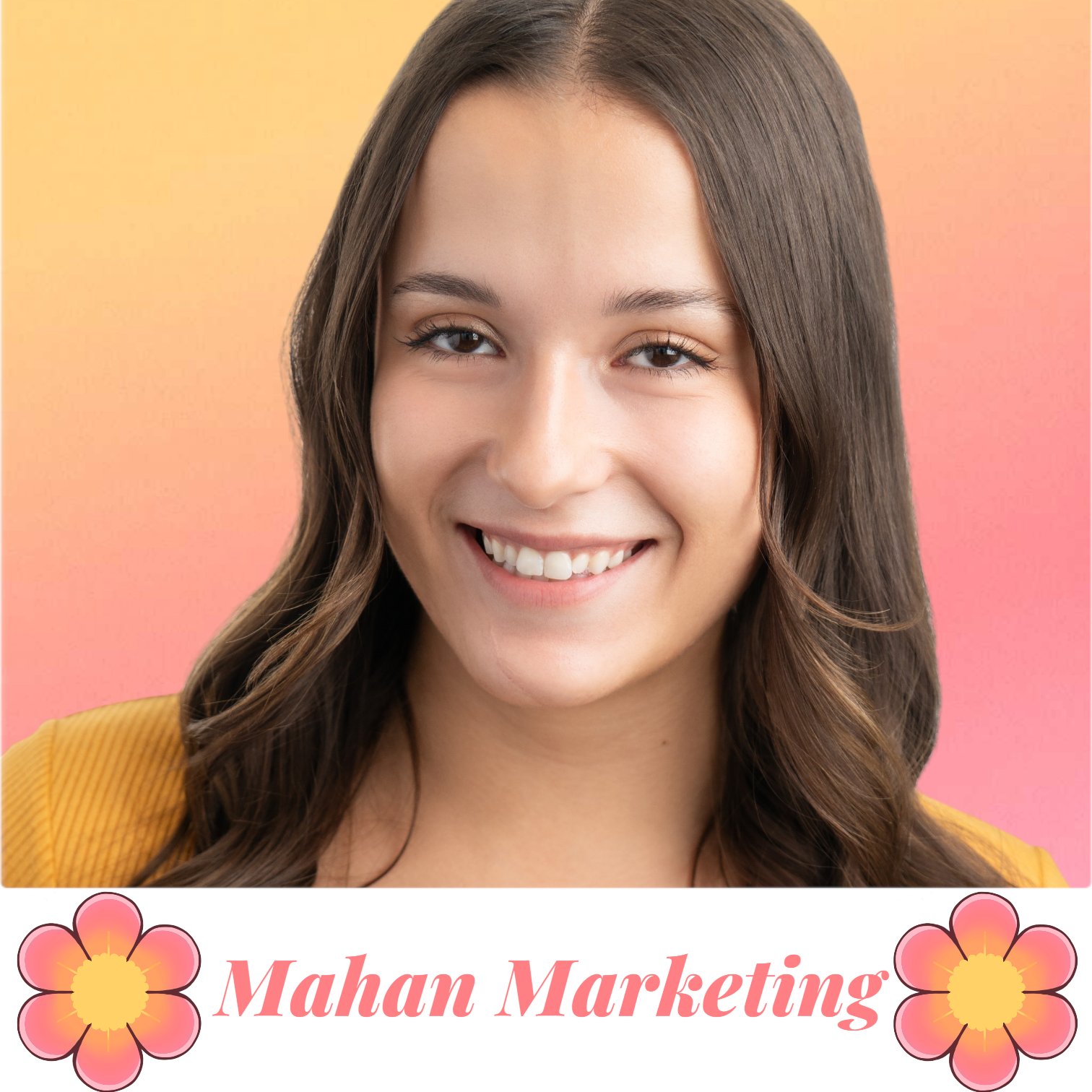
Founder
My name is Paris Mahan, I founded a marketing agency at 23. Mahan Marketing creates brands for your business that your audience can't ignore. I started Mahan Marketing because there are very few marketing agencies out there that do what I knew I could offer. Mahan Marketing delivers clear communication with proactive updates and reports that actually make sense. We take the time to understand your business and create a strategy built for your business's goals.
Outside of my business, I love hanging out at Cadence Central Park with my best friends. We find a shady tree, chat, stretch, play card games, and get creative. I have two amazing nephews and I aspire to be someone they can look up to.