Ep25 Robert J. Quayle III—Broken Spine, Franchise Betrayal, and Writing the Book Four U.S. Generals Endorsed


Pick up Bobby's book, "Bobby: There Is Always a Light at the End of the Tunnel," on Amazon or Barnes & Noble in paperback, hardcover, and audiobook.
https://covenantbooks.com/books/?book=bobby
Don't forget to SUBSCRIBE to the HendersonHQ Newsletter: https://hendersonhq.com/Subscribe
Check out our website for all our local stories & community updates: https://hendersonhq.com/
Follow our instagram for deals and cash drops: https://www.instagram.com/TheHendersonHQ/
Interested in advertising in our newsletter to 25,000 local Henderson Residents? Let's book a call: https://calendly.com/scottgrovesteam/catchingup
______________________________
Scott Groves sits down with Robert J. Quayle III, a retired Army Staff Sergeant and Henderson local with a story that spans Cold War counter-intelligence in Germany, a fractured T7-T8 spine he rucked on for 18 months without knowing it, 75 days of relearning how to walk, and a moment in a Cleveland park where he put his Glock to his head.
In this episode, you'll learn what stopped Robert that day, how he rebuilt from medically retired to published author with four U.S. general endorsements, what Covenant Books said when they got his manuscript the first day he submitted it, and why the 22 veterans we lose every day are the reason the book exists.
Robert J. Quayle III 0:00
Literally think about what you're thinking about. Are you thinking positive thoughts? Are you focused on the things you're grateful for? Or are you focused on negativity? And you know, no matter how bad things seem, I've been there, it does get better.
Scott Groves 0:18
Welcome to Henderson. HQ, this is the podcast where you get all the stories behind the businesses that make our community tick. Don't forget to subscribe to our weekly newsletter. Hey there, Henderson. HQ, thank you so much for watching the show. Don't forget to subscribe to the newsletter at Henderson. HQ, Comm, this is Scott groves. I'm here actually with my new friend, and for those of you that aren't watching on camera, you're listening. This is Staff Sergeant Robert Quayle, the third retired he wrote a book called Bobby. There is always a light at the end of the tunnel. Which at first I was like, Oh, I wonder who Bobby is. And then I realized Bobby Short for Robert. So this might be a book that you gift to somebody and legitimately saves their life. I'm embarrassed to say we scheduled this podcast pretty quickly, so I haven't gotten through the book, but we're gonna get gonna get the story today, and then I've got my copy here that I'm gonna read. So, Robert or Bobby, you prefer to be called. Tell, tell us kind of where the military service starts. You know, obviously you're a local here in Henderson. You reached out to me on the Facebook group. Shout out to John Novak for running the best Facebook group living in Henderson. So if you're not a member of that group, please join there. But we connected in there, and you're like, Hey, I've got a pretty interesting story. I've got a book that I think, literally could save somebody's life, and I'd love to come on and talk about it. And as a veteran myself, who served from 97 to 2000 before we were in the global war on terror, anything I could do to help veterans, I'm always in because I've got a little bit of, like, guilt maybe, about, you know, I trained, I trained, but I was basically a professional drinker at Fort Riley, Kansas, and got out before 911 so anything that I could do to help the veterans and what I've seen them go through, but why don't you tell us a little bit about, like, where your life starts, where your military career starts, and then, you know how we ended up in the spot where You thought you thought you were going to be a statistic of the 22 veterans we lose a day to suicide. So tell me where it starts, and I'll probably just let you go from there.
Robert J. Quayle III 2:10
Well, I have a very unique background like you. I served the first time in the 80s. I was right out of high school. I graduated high school about two years early. That's a story in the book too. It's, it's a I was in advanced classes, then we moved and I wasn't in advanced classes. I got bored, so they let me graduate early, and so not knowing what I was going to do with my life, I by a quirk of fate, a very serendipitous story in and of itself, I decided to go work at the county fair, and while I ended up getting a job as a Carney at the county fair, and this guy showed me how to how to run this game. It's stand a glass Coke bottle up on a piece of wood inside of a circle. It was possible, and he taught me how to do it. He goes, the easier you make it look, the more money you're going to make. And I'll give you 25 cents for every dollar you bring in. I ended up making $1,000 that week. That was an insane amount of money for a 70 year old in the 80s. And they wanted me to go on the show, on the road with him, and so on. But what the quirk of fate was, while I was drawing people in, these two absolutely beautiful girls in army uniform come walking up. They're like, Hey, sweetie, would you like some information about the army? I'm like, You guys are in the army. Sign me up. They weren't in the army. I found out later from the recruiter, yeah, good move that I have genius, yeah. But the next day, the recruiter is at my house, and before you know it, I was I was in the army, and my first assignment was Germany, and I served over there for four years. I started out as a communication specialist, but then went to intelligence. The colonel, the battalion commander, had asked me if I was interested, and I ended up being in counter Intel over in Germany because they they liked the fact that I could speak German, and I ended up being bait for the Eastern agents they were trying to
Scott Groves 4:16
So, yeah, this is late 80s before
Robert J. Quayle III 4:18
the wall fell. Yeah, the wall was still there. Height, height of the Cold War, if you will. It was very interesting. So I got to do some real world stuff while I was there. And then I got out of the Army, and because I wanted to see what I could do in the quote, unquote, real world, right, right? And I ended up getting into banking. I was a banker for 20 years. I did everything on the retail side of banking. I was a branch manager, business banking officer, loan officer, financial advisor. I did it all. And then 2008 happened. The economy crashed. I lost my job as a banker. Didn't know what the heck I was going to do.
Scott Groves 4:56
By
Scott Groves 4:57
chance, did you work at Washington Mutual like I did and it all? Fell apart.
Robert J. Quayle III 5:00
No, no, I was working for a local bank at a time, but regional bank, but, yeah, they just called me in one day said, Hey, we're shutting our doors and we gotta let everybody go. So that was that, and it wasn't like I was going to get another job in banking. Everybody was closing or letting people go. Yeah. So I remember there was a two year period there. I think, I think in 2008 2008 I made $18,000 the whole year, and as a loan officer. And I was like, Oh my gosh, I'm gonna go, I can get I should have gotten bankrupt, but yeah. So anyway, sorry, carry on. Yeah. No, I that's what I was I was thinking, either i i take a risk and burn through all my life savings, waiting for things to get better, or I do something different. And then one day, I was sitting in the backyard with my dog by the fire pit, drinking a beer, and like a light bulb, it came on over my head, I'm going back in the army. And just announced it out. Soon as the idea hit, my wife looks at me, and she's like, are you crazy? You're too old, you're too this, you're too that. And the more she said that, the more motivated I became. Don't tell me I can't do something, because then I'm going to do it. And so I ended up. I spent two months. I dropped 50 pounds, I got myself back in shape, I put myself through basic training, essentially, and I got to where I could pass physical fitness tests. I went and saw a recruiter, and the first question was, do you think you can pass a PT test? I said, I'll take it right now. And so next thing you know, I was back in the army at Fort Sill,
Scott Groves 6:30
wow,
Robert J. Quayle III 6:31
yeah. And I was on track to go to warrant officer school. That was my plan. I wanted to get to Afghanistan as a warrant officer, you know, for a career in intelligence, because once I retired, I could work for any of the three letter agencies as an Intel guy, and that was a plan. But during the they didn't make me go through basic training when I went back in, but they they had me go to a refresher course at Fort Sill, where they taught us. They did the combat life savers course, weapons qualification, BT tests, all that sort of thing, just the basics. Make sure you're ready for whatever unit you're going to and they were teaching us combatives as well, which is Brazilian Jiu Jitsu. Essentially, it's for hand to hand combat purposes. And they paired me up with this kid in his 20s, and he outweighed me by at least 50 pounds. And they told us ahead of time, you're not trying to hurt each other. You're not going to choke each other out. You're just trying to learn the moves. If you get black and blue, that's okay, because you're in the arm, you should be able to take a punch, right, right? So anyway, they were trying to prove a point that age and size doesn't matter, which is true when you're fully trained. It didn't happen in this case we we got into it. I got him in a rear naked choke. By luck, I think, more than anything, yeah, weighed me by at least 50 pounds, and it was all muscles. So I mean, but I got him in a mirror naked choke, and when it became obvious that he couldn't move, that I had him all his buddies started making fun of him, calling him all the names you can imagine they were calling Him, and His face changed. He got that 1000 mile stare on his face. And I was like, Whoa, it's not that serious. I let go, and I tapped, tapped him, and then he turned on me, and it took three soldiers to get him off of me, and in the process, he had fractured my spine. But we didn't know it at the time, the medics did an x ray, and they're like, you're fine, take some ibuprof and drink some water and go back to work. Yeah. Typical worry, yeah. So I ended up going through 18 months worth of training, getting ready to go to Afghanistan, where we're doing 25 mile rock marches with 60 pounds on our back and all that. Everything, worst possible thing you could do for a spinal injury, yeah, go rucking. Yeah. It was fractured right by my heart too, at t7 and eight. So one wrong move in. I could have been in a lot of trouble, but about 18 months into it, I went for a run one morning with my first sergeant and one of my soldiers, and about a mile down the road, my legs stopped working. My brain's telling my legs to move, but they're like, No, we're gonna drag today. And I can't describe it any better than that. And my soldier wanted to throw me over his shoulder and carry me back to the barracks. And it's something told me that was a bad idea, because, you know, he could have fractured it even more. I said, No, just let me hang on to you and we'll get back. And I ended up going to the hospital. They did an MRI, they found the fracture, and the doctor came in, into the office. He was a colonel, and he says, Sergeant, do you know your spine is fractured? I was like, what? He said, You have a hairline fracture t7 and eight, and we're going to have to do surgery immediately. I was like, what? He goes, I have to tell you before, while they're while he's talking to me, they're putting the sleep medicine in my IV and everything, knocking me out, getting me they were taking me right into surgery immediately. And he goes, you're very lucky. You could be a quadriplegic right now or even dead, because I told him I didn't know when it happened. He says, you've been going through training and doing PT. I says, Yes, sir. And he's like, you're a very lucky guy. And he says, I have to tell you, when you wake up, you may not be able to walk again. And you know, I was under the influence of drugs. So I said, F you, sir, I'm gonna walk out of this hospital. And he says, I hope you do, Sergeant. That was the last thing I remembered. And then I ended up spending 75 days in the hospital, and I was going through therapy to learn how to walk again. And I did walk out,
Scott Groves 10:51
because your leg, Like, legitimately shut down, right?
Robert J. Quayle III 10:55
Yeah, move them a little bit, but not, not enough to even walk.
Scott Groves 10:58
Oh,
Scott Groves 10:59
what was that like? That, two months of just like me. I mean, obviously some resilience in there, but that sounds like Hell
Scott Groves 11:05
yeah, having
Scott Groves 11:06
to learn how to walk again and torture, yeah. I mean that just, you know, I like to think I'm a tough guy that can get through anything, but like that, those kind of challenges, you just never really know how you're going to respond until you're there,
Robert J. Quayle III 11:18
until you're there, yeah, yeah. And I was determined, don't tell me I can't do something. And that Colonel was standing outside, and He saluted me when it came out.
Scott Groves 11:28
So I'm guessing that end your military career.
Robert J. Quayle III 11:31
Yeah, I was so I was medically retired at that point, and I thought, Geez, what am I gonna do now? What
Scott Groves 11:38
year is it? 2010 11. Inches around
Robert J. Quayle III 11:40
there. 2013
Scott Groves 11:42
2013 Okay,
Robert J. Quayle III 11:43
I'd been on active duty at that point. By the time the med board actually finished, I was but in six years it took forever,
Scott Groves 11:52
yeah.
Robert J. Quayle III 11:52
But anyway, so I was medically retired, and while I was still going through the process. I talked to my wife, and we decided we were going to buy a franchise, some sort of veteran friendly franchise. I ended up getting one, a retail franchise, and I went through the training in California. While I was stationed at Fort Bliss, I just I was on medical leave, essentially, I was out there, yeah, so I went and got training for for this franchise, and I took over the franchise, and I ended up selling it about two years later, because with my spinal injury, it involved dealing With heavy packages for customers and shipping them, and standing on my feet all day, and it just didn't work well with my disability, and so I ended up selling the store. When did
Scott Groves 12:50
things
Scott Groves 12:50
start to go sideways for you? Emotionally,
Robert J. Quayle III 12:53
well, mentally, that's actually, that's when it happened. I was at the store. I had a really bad day this particular store didn't like me hanging the flag, American flag in the back. We had, we call them the corporate police. They would come and make sure that the store matched the layout that they wanted. And they wanted all the stores to look the same, which makes perfect sense. Fair, yeah. And these people walked in. They weren't two steps in the store, and they pointed I had the American flag that was given to me when I retired hanging on the back wall over my desk. And nobody ever complained about it. Of course, it's the American flag, right? They said, You have to take that down. I said, Excuse me. They said, You have to take that flag down. And I said, No, I'm not going to do that. Show me a court order that says I have to and I'll take it down, until then it's staying up. I literally broke my back for that flag so it's not coming down. And they left. They're angry. And what ended up happening, I had a business in town that was spending about $3,000 a month in my store that paid my rent and utilities. They sent a salesman into his office, offered him the same rates that I was paying as a franchisee, effectively cutting me out of that 3000 a month over the American flag. Yeah. Doesn't sound like a very veteran, friendly business. Yeah, that's why I'm not seeing their name, yeah, but they, he called me soon as they left his office. He told me what they offered, and he said, can you match these rates? And I said, No, that's what I pay. And he says, Well, I hope you understand. I said, Well, yeah, it's a business decision. I would, I would do the same thing if I were in your shoes. So I didn't fault him for it. I faulted them, and it was a violation of our franchise agreement. But my attorney said that he goes, Listen, they have attorneys. They have very deep pockets. Still, they'll bankrupt you before you win. You'll win, but you'll be bankrupt. Yeah, it's not worth it. So I was determined. I was like, Okay, you took three grand a month out of my pocket. I'm gonna make up for it. I was determined. I wanted to show them.
Scott Groves 15:00
Yeah. So
Robert J. Quayle III 15:00
I ended up getting a contract with the ix Center in Cleveland. It's a big convention center. They have all kinds of different like home and garden shows, auto shows, that sort of thing. And they had a memorabilia thing. Sports memorabilia auction is huge. There are 1000s of people there, and they wanted my presence there so that they could ship these about, you know, $100,000 baseball bat. Ship it home or wherever, so it'd be safe, so they didn't have to carry it around with them. So that's I made more money that week at the ix center than I made in six months. Nice with the store. So I was like, yeah, 3000 a month. No big deal.
Scott Groves 15:39
Hey guys, just a quick ad from our sponsors here that make this podcast and our newsletter possible. Want to give a shout out to ethereal Med Spa, a gym for your skin. So doesn't matter whether you're doing anything proactive, all the way up to spot removal, all the way up to beautification, right or vanity. Ethereal Med Spa, they got you covered. Scott right over at Wright auto body. Love them. So anything from a scratch in dent to a big insurance job all the way up to a custom rebuild of a classic car, they got you covered. And shout out to my buddy, Casey Halstead, owner of 10th Planet Jiu Jitsu, which now has three locations. They just opened new location on the west side. So they got our Henderson location. They got a mid city location, and they've got a West Side location. So anywhere in the valley where you're looking to train jiu jitsu, check out 10th Planet, Las Vegas. Now back to the show. It
Robert J. Quayle III 16:30
was right before Christmas time, and I was excited, because I wanted to give my employees their paychecks, plus a big fat bonus for Christmas. And I came in, I logged into my account, the balance was zero. They took all the money out of the account. They said you had no right to those profits because we didn't authorize you to be there. And they kept the money. I even went into full on panic mode. I go, What am I gonna do? I have employees to pay. Christmas is coming. I freaked out. I told my employees, I'm going to go for a walk. I went for a walk in the metro parks in Cleveland. I don't know if you've heard of them, and they they also refer to it as the emerald necklace around Northern Ohio. It's, it's a park system that they purposely left intact since the state began. You could get lost in there. It's pretty dense forest in some points. So I went for a walk. I wanted to clear my head. I'm trying to figure out, how am I going to get these guys paid? I'm thinking about cash advances on credit cards and tapping into the equity line all that sort of thing. And I kept walking and walking, and at one point I had remembered that I had my Glock in the trunk of my car. I had planned that day after work to go to the shooting range that's on my way home. He was a customer of mine. He kept asking me, when are you going to come in and shoot? So that day I was going to go in and shoot. I wasn't thinking about using it or anything for whatever reason. I just went and got it stuck at my belt and kept walking before I realized that eight hours had passed. I just went by while I was walking. And if you can picture this, the sun setting behind me, and the beams of light are coming through the trees, over my shoulder, over my left shoulder, I was sitting on a boulder by the river and just thinking, you know, and getting more and more depressed as time went by, and I pulled the gun out and I put it to my head, and right then a miracle intervened. I had called a miracle. It could have been just a coincidence or what have you, but as soon as I did that the trees in front of me opened up and sunlight came through on my I could feel heat on my face at that same exact moment, I heard Carrie Underwood singing Jesus take the wheel, as if she was standing right in front of me. Now, it could have been in my head. Could have been somebody driving by in a car with a blast on the radio or whatever, but I dropped a gun.
Scott Groves 19:02
You know, I do coaching for a living now as a loan officer for 25 years, and been coaching people for 10 years. And I was, I was hosting an event with a bunch of people that had made it through 2008 for my early coaching events. And I asked, how many people, after 2008 after the financial crisis, probably lost everything you probably thought you were on track with rental properties and whatnot to have a beautiful retirement. It's all gone, you know, and then you're another couple years of not making money. I'm like, How many of you guys, like, had some really, really dark thoughts? And four, four of the seven people in the room admitted that at one point they had a gun to their head, yeah. And you went through that, and then you recover, get into the army, and then you break your back and almost become a quadriplegic, yeah. And then you get through that, and then you find a franchise that you think is going to be your life. Life blood for the rest of your career, and then they kind of stab you in the back. Like, this is just, like, over the course of, I don't know, eight or nine years, yeah, you're just getting punched in the gut over and over and over again. Yeah? Well, the part I didn't mention is my dog and my father died too during that process. You're like, a bad country music song. Yeah, your life story is, like, I could put this through chat GPT, and just create a country music like, probably a whole album. Oh, I got another story related to that. Super No, it's, um, you know, when I was writing the book, I was going through this
Robert J. Quayle III 20:30
part. This is, that's the most difficult part. It's really only one chapter in the book. I thought, you know, let me retrace my steps to make sure my memories and playing tricks on me. Because, if you remember, I said I was sitting on a boulder and the sun was setting behind me over my left shoulder, that's true. How did sun suddenly come through the trees in front of me? So I was like, let me go check this out. So I didn't go through the whole eight hours, but I went to the that spot, and I sat on the Boulder, and I pulled out my phone, and there's a compass on your phone. And I said, let me check this, and I was facing exactly east. So if I was facing exactly east, it was setting behind me to the west. So what that light was that came through the trees, I don't know. So it confirmed for me that that actually happened. So, so after this moment, yeah, thankfully you decide not to
Scott Groves 21:30
take your own life. Is there continued depression, or did hitting that Rubicon kind of, I hate to use the term, snap you out of it, because, you know, the psyche is hard to describe, but yeah, what? What happens? Walking back to the car and post that?
Robert J. Quayle III 21:45
Yeah, walking back to the car, my thoughts were, I'm so glad I didn't do it. I still carry that gun to this day, by the way, because it's not the gun, right? It's you, you know. So I thought, you know, I'm gonna have to face the music for my I literally pulled the battery out of my phone at that time, and so it was powered off, and nobody could see where I was at or anything. So I put the phone back together. And, you know, of course, it was going crazy with voicemails and texts and and I got back, I drove home, and I parked in the garage, and I went in, and the house was eerily quiet. It turns out that the my employees called my wife, you know, they were worried about me. They don't know where he's at. He's not responding. She came home, she saw the gun was missing, and she panicked. She had no reason to believe I would use that on her, but the fact that it was gone scared her, and I don't blame her, so she called the police, and I didn't know that, and I got in the house, the dogs weren't there, she wasn't there, and I texted her, I said, I'm home. I figured she went to her friends or something, and within like 30 seconds, there was a knock on the front door. It's the police. I let them in, and I told them what happened, and they were very kind. They got me the help I needed. And it was a long recovery. You know, this is, this is over 10 years ago when it's happened. And you know, if you compare my life today to what it was then, been completely upgraded every way you can possibly imagine, and then some, financially, spiritually, everything upgraded completely. That's why I wrote the book. You know, I at one point, several years ago, I decided I needed a new Cadillac, so the only way to do that is to earn more money. So and being retired, what am I going to do? So I started driving for Uber Black in Cleveland, and I made great money and paid the car off in two years, and I had over 5000 trips under my belt. And the most common comment that I got from passengers was some form of dude, you should write a book. They kept going, what about what? You know, I would tell them stories while we're driving. You know, about army, my army, life, or whatever. And I kept thinking, I'm nobody, you know, I'm just a veteran. Had a rough time, you know, went through some challenges, you know, that's so what, you know. And then I remembered what happened 10 years ago, and I was like, well, that's worth writing about, because I'm so happy I didn't, and I'm living proof that there is, in fact, light at the end of the tunnel.
Scott Groves 24:38
When does
Scott Groves 24:38
this become top of mind to you? Or maybe you knew it the whole time of like what you experienced, you know, 22 vets a day experience, they're taking their own life, and there's a myriad of reasons they do that right, whether it's financial problems, or their wife left them when they were in the military, or they were at the tip of the spear, like some of my friends that are in special forces. And you know, they've just seen. And done some horrific stuff that they have a hard time figuring out in their mind, like, where, where the connection? Like was this? Was this a thought when you were going through recovery and getting your head right? Or was it I experienced this? I happen to be a veteran. I know a lot of other people experience this. When, when did this start to become more of a mission
Scott Groves 25:18
for you?
Robert J. Quayle III 25:18
And then, till about 10 years after that happened, you know, I went through, you know, I spent three days at the VA they told me, from the moment I walked in, they said, You don't need to be here, just based on the way I was acting and talking to them, they said, but by law, we have to keep you here, so please bear with us. It was, it was kind of interesting watching some seriously mentally ill people deal with whatever the demons they had to deal with so but after that, you know, we ended up getting divorced because of everything that happened, which is understandable. But then I met, I met another woman who I ended up marrying, and things went very well. I stayed retired, you know, I did, you know, side gigs here and there, with Uber and whatnot. And just one day it hit me, I need to write a book. It just came to me like an idea. And I thought, you know, writing about that, what happened 10 years ago? You know, if I can stop one person from taking their own life, it'll be worth it. But I had no idea this is now. We're only, this is only two years ago. At the time, I was live streaming poker for the World Poker Tour. It's, I love to play poker, and I am a member of club, WPT, their their site. It was the only legal online site in Ohio. I ended up winning a $10,000 buy in on a cruise in the Caribbean. They took over an entire cruise ship in the Caribbean for poke. It was all poker. It was televised. You know, they had TV crews in the whole nine yards, and media was there. And I won this $10,000 seat, and I became part of their stream team. And I was talking about ringing the book. While I was streaming to my poker buddies, as I call them, all my followers, they encouraged me to write the book. They said, You need to write that book and you need to keep playing poker. Because I was talking about quitting poker at the time, I was frustrated. I was having some bad runs and and they said, No, you need to keep playing poker. You need to write that book. So I listened to them, and one day I just decided, You know what, I'm just gonna try. I don't know what I'm doing, but I opened up a Word document, and I started typing,
Scott Groves 27:51
were you a writer? Did you go to school for writing? No, just never a passion project of yours. You just say you're gonna write a
Robert J. Quayle III 27:57
book? Yeah. And I just started typing. You know, it evolved. It took me about a month and a half, two months to get through it. Actually, it's 300
Scott Groves 28:08
pages. Is not easy to write, saying from speaking, from experience, yeah,
Robert J. Quayle III 28:13
yeah.
Scott Groves 28:13
Did you get a writing coach, or did you have a editor or a publisher or anything? Or when
Robert J. Quayle III 28:17
I got done with it, I started going back through it to edit it and reword some stuff and change things around and whatnot. And I ended up using a software program designed for authors to help you edit that sort of thing. So when I thought it was ready, I decided that I would I was thinking I'd probably have to send it to, like, 1000 publishers before it gets published by anybody. And I ended up it was the first publisher called covenant. Covenant publishing,
Scott Groves 28:53
yeah,
Robert J. Quayle III 28:54
then I sent it to they called me the next day. They said, we want to do this book.
Scott Groves 28:59
Wow, congratulations.
Robert J. Quayle III 29:00
Yeah. I was like, Wow, that's crazy. Another,
Scott Groves 29:02
because I know a lot of those people, by the way, that are on there, you know, 100th publisher they're submitting their book to, and, yeah, and they're trying really hard, and they don't want to go the self publishing route or whatever. So there's
Robert J. Quayle III 29:13
a lot of serendipitous stuff that's having, having throughout my life. You know, what I didn't get, didn't get into yet, is all the crazy luck I've had all my life, you know, I've gone through some tough things, obviously, but I've always had a crazy amount of luck, a lot of serendipitous things happen to me that can't be explained while I was writing the book. You know, I have pop ups blocked on my computer. Well, this pop up kept popping up for covenant books, the publisher while I was writing the book, and I was like, Where is this coming from? I just kept closing it. And I was like, I checked I had pop ups were blocked. How is this getting through? I thought it was a virus or something. And then, you know, I was on my phone, looking at Facebook, and then I started getting ads on Facebook for covenant publisher. I was like, What is going on here? And finally, I looked, I checked him out. Well, and they were accepting manuscripts, so I sent him, sent him one. It was the first place I sent it to, and they called me the next day. So, and here we are. I mean, I have an audio book, you know, it's in paperback and hard book and and it's unbelievable, you know, I getting back to that cruise that I won the trip on, here's another and this is how I wound up moving here to Vegas. I took two steps onto the ship, and my phone goes off with an invitation to a private party on the 16th deck. I was like, Wow, this thing has 16 decks. Then my next thought was, wait my private party. They must have invited the wrong guy. I'm nobody in the poker world, at least not yet in any way, right? And so I thought, well, I'll throw my stuff in the cabin, and then I'll go up and let them know they invited the wrong guy. And I don't know if you're familiar with the cast of the TV show for the World Poker Tour when they're when they're on ballet sports or ESPN, but their host is Lynn Gil Martin. She's this beautiful, redheaded Australian woman. She's been their host for 20 some odd years now, and she's very nice, and I've been watching her on TV for like 20 years. Her and Tony Dunston and the rest of the crew and I take the elevator up. The elevator doors open, and guess who's standing there. Lingo, Martin. She turns around. She goes, Are you, Bob, passed out. I was like, what? How the heck does she I said, Yeah. She goes, hold on a second. She waves this guy over, named Mike. He was kind of running everything with the World Poker Tour. He goes, You're Bob quail. I said, Man, I didn't do it. I swear to God, I don't know what happened. He goes, Yes, you are. I said, Yeah, I'm Bob quail. He goes, and you wrote a book. And I said, How did you know about that? He goes, Well, when you're talking about in the stream back in February, I was listening in I didn't know he was listening. He goes, I assume he wrote it. I said, Yes, I did. He goes, Great, because the producer of the show wants to hear about your book. And I'm like, what? So it's starting, I'm starting to think I'm supposed to be on this cruise. And so I told the producer about the book. She says, oh my god, we're gonna, we're gonna put you on camera. We're gonna interview you about your book, and we're gonna help, so help promote your book for you. And you know, my people contact your people. Blah, blah, blah. And I said, well, any people? She says, Well, my people will get a hold of you. And they did. They They, they followed me around, and that's one more thing. They interviewed me first in they had a studio set up on the ship, and by the end of the interview, the producer and the sound guy were in tears, happy tears, because I have such a happy ending. The producer says, How would you feel about being in some TV commercials? I said, What? She goes, we'll have a camera crew follow you around on the cruise for like the next three or four days. Are you okay with that? I was like, Are you kidding me? She goes, No, we're not kidding. I said, Sure, why not? So I did. I had a I felt like a movie star. I had the camera crew follow me around all over the cruise. They filmed me on Bimini Beach, walking with the waves in the background, and they had me walk out. They scripted it. They had me walk up to the camera and go so I won my way into Paradise, and so can you. And that was the end of the commercial, and I'll never forget that. And then the sound guy says, Listen, you have to meet my wife. She's an author too. She likes to meet other authors. So I said, All right, great. And he introduced us, and I talked to her, and she says, You have to meet my son. He's directly involved with preventing suicides in the military. Now, I know I'm supposed to be on this cruise, right as like You're kidding me. And she says, No. She says, Here's his name. She told me his name, and she says she wouldn't tell me anything else about him. She said, just she said, Get a hold of him. Fight. You'll find him on LinkedIn, and when you message him on LinkedIn, after you get home, tell him, mom says, hi from the cruise in the Caribbean, then he'll know who you are, because I'm gonna tell him about you. I was like, wow, who's this guy? And I get home, I bring up LinkedIn, and I look up this guy. He's Major General Edward Vahan of the United States Air Force. He's currently working in the Pentagon. And I about fell out of my seat, and I said, Wow, I'm not gonna message this guy. The feds will be at my front door. But I did. I messaged him. I said, Mom says hi from the cruise in the Caribbean, just like she told me to. And he responded immediately. And he's been helping me ever since. He didn't help me write it, but he helped me. He advised me as a military member, as a friend, he gave me a. Two endorsements. The way that happened was he messaged me on LinkedIn one day, said, Bob, check your Amazon reviews. I said, Oh, man, did I get the one star there everybody? He said, No, just checking. And he said, Call me when you're done. He left me a review a mile long, and it made me cry. It blew my mind. And so I called him. I was like, geez, sir. You know, I didn't ask for that. He goes, Yeah, but you deserve it. He said, Listen, I want, I wanted you to call me because I wanted to tell you that I wrote a small endorsement that you can put on the back cover, and you can also, I went to the Department of Defense, of defense. I got permission you can use my Amazon review and the quote I'm going to text you in any way you see fit to promote your book. Wow. And all because I play poker. I was on active duty a total of about 15 years. I saw a general once at a distance, right? You know, change a command ceremony or something like that. And now I'm friends with four of them because he introduced me to general, Brigadier General tyker. These are all Air Force guys. I was in the army, but my father was in the Air Force, and he's deceased, so I'm wondering if maybe he might have something to do. So he's looking out for you. But now the crazy part of this, one of the crazy parts of the story is, you know, because of all the success I had with the World Poker Tour, I ended up doing pretty good, and I ended up coming, I ended up winning five seats in the prime championship here in Vegas the following December, after that cruise, I was the only guy in the whole world that won five seats, which essentially meant I could get knocked out four times and still be playing in the tournament, because of all that, because of the success, and when they were filling the commercials, when it hit me, I'm moving to Vegas, and that's why I moved here. And you know, when I was following the real estate agent around Henderson, I almost got into an accident because I looked over at the mountain at one point and carved into the side of the mountain are my two initials, BQ, huge. Obviously they weren't put there for me, but I saw that I almost got an accident. Like, this is hell. I was like, what? Obviously, I'm where I'm supposed to be. I took that as a sign and and I'm also next to, we're right next to Nellis Air Force Base, which is home of the fighter pilot both of the generals that have endorsed my book are were fighter pilots and went through training at one point at that base when you originally wrote the book, you're you're getting your story out there, and then this whole thing is morphed into your story as a veteran, hopefully helping other veterans. Can you tell us a little bit about that? Because I know that there's a there's an email in the book. Yeah, just tell us about that. It's getting back to why I wrote the book in the first place. Is because my hope is that at least one person out there I told my wife, who's now an ex, by the way, I told her at the time, I says, you know, if it stops one person from taking their own life, it'll be worth it to me. I don't care if I make any money off of it or not, as long as it saves at least one life. And I put an email in the book twice, and I basically said, If you're reading this, you decide, hey, this guy can get through all this stuff. So can I then I want to know, and I've received two emails so far. I don't want to sound trite, but it's like doing the Lord's work is the only thing that keeps coming into my mind, yeah, because you know, you're tired, you have other passions, you've lived. We've lived a lot of different lives. You know what we've covered. But do you feel like this is, for lack of a better term, your calling now? Like, are you? Are you planning to speak more to veterans? Absolutely, it's my mission. I would like nothing more than to, you know, maybe be a motivational speaker of something along those lines in the book. You know, it's helped a lot of people that I didn't think I could write, but I guess I can. You know, General tyker, he gave me an endorsement too. He says I wrote a very powerful book. And I was like, wow, really, that's my mission in life now. And what I do for fun is I play poker, okay? And I just went, I used the GI Bill and I went to poker dealer school. Okay, so I'm going to be a poker dealer. I have a job with one of the top three casinos in Vegas as a dealer starting on May 4. And I'll also be dealing in the World Series of Poker.
Scott Groves 39:36
You like the Dos
Robert J. Quayle III 39:37
Equis guy, the most
Scott Groves 39:38
interesting man in the world. This is a thanks. This is, this is awesome. So what? What's next for you in the book? Right? Because, obviously, when a publisher picks up the book, they have an expectation of how much, you know, how many they want to sell, and all that kind of stuff. But where do you see, you know, Bobby, there's always a light at the end of the tunnel. Where do you see this going? As far as like, x. Banning your impact to help more veterans or just just anybody that's thinking about making the the ultimate bad decision.
Robert J. Quayle III 40:06
Well, that's the thing. It's not going to help anybody if nobody reads it. So that's my main purpose, is trying to get the word, the word out there so more people will have access to it. I even approached, it's called a fees the stores on bases. Yes, I thought, you know, if any store in the world should have books written by veterans, it should be a fees, right? And the response I got from them was, we don't offer your kind of book. It's like, what are you talking about? But that was a response so, but I won't give up on that. You know, in these generals that I've met. I know four of them now, three of them are authors, and the one that's on active duty currently told me that I inspired him to write his own book. It's awesome. So he's going to write a book. And you know, the one thing I found after writing this book is that just about everybody has experienced suicide in some way or another. They owe somebody. They thought about it themselves. They're related to somebody. It's affected most people, unfortunately,
Scott Groves 41:09
yeah, and, you know, I, I kind of know what it is, but I don't know what it is, specifically about military veterans that think this is the out. And, you know, this is going to sound very strange, but it's like, I I understand suicide. I'm dorsing it. I'm this is not a cry for help. I don't need right check here on the eyes. I don't even but I understand and getting to a place in your life, whether it's financially or emotionally or health, you know, health wise, where it's just like you feel it, I can understand where that's the only option. So, you know, having been there and now having talked to a lot of people that have almost been there, what would you tell somebody that's going down that path emotionally, where they think that's the that's the solution,
Robert J. Quayle III 41:54
I would tell them, Don't do it. You know, the one thing, the phrase that I tell myself all the time, to help me the most, is think about what you think about. That makes you literally think about what you're thinking about. Are you thinking positive thoughts? Are you focused on the things you're grateful for? Or are you focused on negativity? And you know, no matter how bad things seem, I've been there. It does get better. Yeah, I've read some stats or some testimonials of you know, people have jumped off the Golden Gate Bridge, or
Scott Groves 42:30
people that have attempted suicide have failed thankfully, yeah, and to a T, every single one of them says the moment I pulled the trigger and luckily, it misfired, or I jumped and I was falling, or whatever the tragedy is, they immediately realized it was a mistake. And so, you know, not that people can hear this when they're an emotional state of mind, but I wish they could, because I presume everybody who's done it realizes at that moment of impact, whether they live or die, that it was a mistake, that there's everybody has something worth living for,
Robert J. Quayle III 43:01
absolutely, yeah, even, even if you don't have any family or anything, you can still have a dramatic impact on others in a positive way,
Scott Groves 43:10
yeah,
Robert J. Quayle III 43:10
you know, and that could make your life positive, you know, it's karma, you know, yeah, good things. Good things happen. So
Scott Groves 43:17
how have you found people can introduce the book to maybe somebody that they're scared of, right? I This isn't a perfect correlation, but I think of coaching, which I do, tends to attract a lot of people that are sober. So probably about 10% of my coaching clients are on some path of sobriety recently or for 20 years or whatnot. And you know, all of them say, effectively, the same thing is like, you can't, you can't help somebody until they want to get helped, where they're trying to get sober. But sadly, if we played this out to the end of suicide, you You're too late to help them, right? And so how have you seen either people introduce your book or try to get people help, that they know that you know they're struggling, like, what? How can people intervene? I guess is what I'm
Robert J. Quayle III 44:02
coming Yeah, it's that's a very difficult thing. And but the way some of my friends have done it is they say, Man, you got to read this book. This guy's had a crazy life. You just got to read it. Because a lot of the funny things or serendipitous things I haven't even gotten into, like throughout my childhood, you know, I I had scarlet fever when I was nine years old, and I died on my living room couch for a few minutes. And I had a whole experience behind that, and the doctor was there, and yeah, well, after that, I lost all fear. I have no natural fears or phobias of anything which is both a blessing and a curse, but I'm not afraid of anything. I haven't been since that day, but I would ride my bike off the roof of my house on a dare and not get hurt, you know. And one day, when I was 12, we found this huge oak tree at the top of a ravine with a swing on it. You. Rope and a piece of wood, and you could tell by looking at it had been there for probably decades. And we're like, Wow, check this thing out, you know. And we're tugging on the rope making sure it's still strong. And we figured it was still good, and we started swinging out over the ravine. And when you reach the apex at that point, if you look down, you're about 100 feet off the bottom of the ravine, and there's, there's a stream down there, and logs and rocks everywhere and and it was kind of scary but exhilarating. At the same time, we were 12 years old, you know? Yeah, of course, that's when you do stupid stuff. Yeah, you're invincible. At 12, you know, or so. You think I was the biggest kid, and we started, you know, competing, and let's see who can swing out the furthest right. And I took a running jump, and I swung out, and I went further than anybody had at that point. But as soon as it at that moment, when you pause before you go back, the rope snapped, he goes shoot, and I went straight down to the bottom. And you know what, I didn't even get a bruise. How many times has got it? I didn't even get a Yeah, it's a few times. It's throughout the book. I mean, there's a lot of crazy stuff, you know, I as a daredevil as a kid. You know, we had this tower in the backyard. You know, those giant electrical towers are like 150 feet tall, you know, like a frame, kind of with the giant cables on them with power. I used to climb up that tower all the way to where I was so close I could reach out and grab one of those and carve my initials, BQ in that tower behind my house. And the neighbor kids used to come over and yell at me to come. You know, my mom said you need to come down, get down from there. And of course, I give them the one finger salute. And, you know, the kids, right? But, and there was a freight train down the street that went went by the neighborhood down the street, and I used to hop the freight train and ride it to my girlfriend's house. And one day hop, I was like, 15 at the time. I hop on the train. And normally it was going really slow because it was going by residential area. So I could ride it and just jump off at my girlfriend's house. And she thought I was cool when, you know, kids being kids. And one day the train just started speeding up all of a sudden. I was like, Oh no, I got to get off this thing. But at that same moment, it was going over a bridge, over a river. I couldn't jump. I had to wait until it crossed the bridge, and by the time it crossed the bridge, it was going even faster. And I'm starting to think I'm going to end up in California or something. I was in Ohio at the time, and I'm panicking, you know? And then I see what looked like a pond coming up on my side of the train. And I thought, well, this is, this is my chance. I'm going to jump in into the pond. And I did, and it wasn't water. It was this black, slimy muck. You know, it smells like rotten eggs. Yeah, I was cut. I was I was okay, but I was covered with this stuff from head to toe and getting sick from the smell, and I had to walk, you know, like, over a mile back home. And who knows what would have happened to me if I hadn't jumped at that in that
Scott Groves 48:10
well, you ended up in California, probably, or joined the fairway Carney.
Robert J. Quayle III 48:14
Yeah, right. So, yeah, there's all kinds of stories throughout the book, and that's, that's what some of my friends have done to get other people to read it. You know, you won't believe all the stuff this guy's been through. The difficulties started too with early childhood. I was abused as a child, and I don't go into any great detail in the book, but that's how chapter one starts out. On a tough note, but I survived all that. What I found is, with most people, there's at least one story in my book that they can that resonates with them, you know, that they've been through or have experienced themselves, you know? So that's why I wrote it, you know, it's an interesting story I've so I've heard and but the main purpose is to let people know they need to keep trying.
Scott Groves 49:04
And last question, then I'll let you get out of here. But do any of those negative thoughts ever creep back into your head? Or have you asked that
Robert J. Quayle III 49:14
sometimes? But that's when I say to myself, think about what you think about, and it makes me change. You know, it's like a trigger for
Scott Groves 49:22
like, tactically, how do you do that? Do you do you have a gratitude journal? Or do you go into meditation or prayer? Like,
Robert J. Quayle III 49:28
oh yeah, I pray every night and I talk about what I'm grateful for. Stay focused on the good things and what you want from life, not what you don't want, because you whatever you focus on is what you get. That's a line to end a podcast. I do want to ask, Where can people find you? Give them the title of the book one more time. And it's Bobby. There's always a light at the end of the tunnel. It's like somebody's telling me that, right? And it's on Amazon, Barnes and Noble. It's a it's an audio book format, paperback.
Scott Groves 50:00
Can hardcover, and they're even talking about making a movie out of it. I'll believe that one happens, but yeah, the publisher's actually considering a movie. So we'll see what happens with that, and you'll never guess who's interested in possibly doing it. No angel studios. Oh, yeah, that makes a lot of sense. Yes, yeah. Well, I'm glad you're here, even though it's the first time we've met each other this interview. But I think I just made a new friend. I hope, I hope people pick up the book, especially they know somebody who's really struggling. And do you want to give out any information on how people can get in touch with you? You got a website or, oh, yeah, everything.
Robert J. Quayle III 50:37
Yeah, there's a Tiktok account. It's under Bobby's light foundation.
Scott Groves 50:42
I laugh every time I meet somebody with gray hair. Was like, yeah, just swipe me on Tiktok. In my mind, Tiktok is still musically, which is for like, 12 year old kids, but I know this is the new way we communicate.
Robert J. Quayle III 50:51
Well, I had, I had no social media other than Facebook prior to the book, but the publisher insisted that I get on YouTube. And I haven't been using YouTube though, Tiktok. I made a bunch of videos that are on Tiktok. I got like, 20,000 likes. It was crazy, you know, but Tiktok said that 3000 people click the Buy Now button. But I didn't sell that many books, so I don't know what's going on with that, but there's a Facebook page too for the book, okay, as well. You know, I have the generals endorsements on there and some videos. You know, the one video that gets the biggest response is I was recorded when I opened the box that the publisher shipped to me with my my publisher, my author's copies of the book. It was actually real. And I was very emotional, obviously, so I couldn't believe it was real. Yeah, hopefully you got another book and you got another story, or you can just keep helping people this one. But Bobby, thanks. Thanks for coming in. Thank you for having me.
Scott Groves 51:57
Hey, it's Scott groves with the Henderson HQ podcast. I hope you got something out of that episode, if you enjoyed it, please don't forget to like, comment and subscribe to the podcast. It really helps the show grow. And by the way, if you are a business owner, or you know, a business owner who has an interesting product service or just an interesting backstory, please, please get in touch with us. Email us at the Henderson hq@gmail.com we would love to interview you, because that's what this show is all about. It's about building community, supporting local, individually owned businesses, and just making Henderson a great place to live. And don't forget, go to Henderson hq.com and make sure you sign up for our newsletter. We send out a once a week, newsletter, no spam. About the most interesting local businesses, hot spots, restaurants, community events. Thanks for watching the show. Really appreciate you. You.
Author
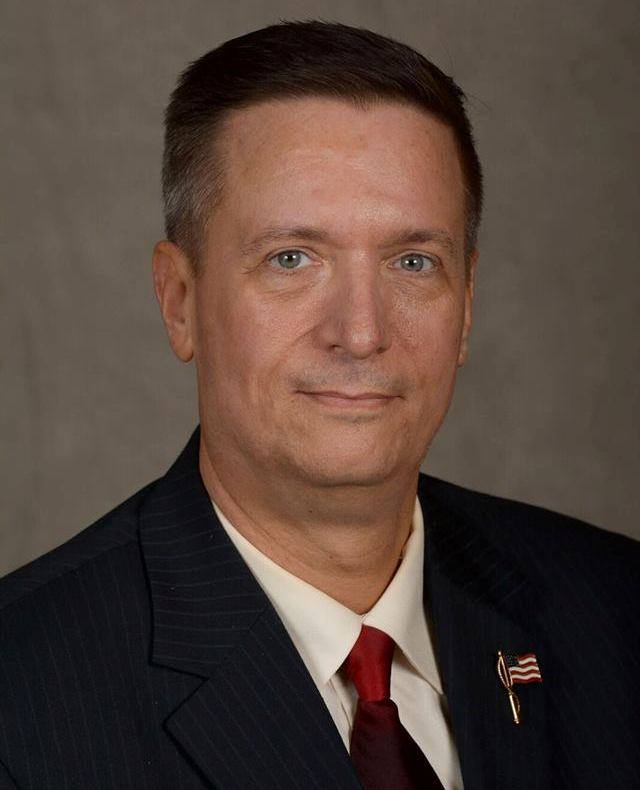
SSG Robert J. Quayle III (RET), a retired US Army Intelligence Analyst who has worked as an insurance agent, branch manager, business banking officer, loan officer, and financial adviser and who is now a professional poker player and dealer, has completed his new book, “Bobby: There is Always a Light at the End of the Tunnel”: an emotionally stirring autobiographical account that recounts the author’s journey through the ups and downs of a difficult life.
Sadly, an average of 22 veterans a day take their own lives. This book tells the story of a disabled veteran who was very nearly one of them. He faced immense challenges yet found hope in his journey. From serving as an intelligence analyst during tense times to battling with depression, he experienced it all. But when he reached his lowest point, something stopped him from ending his life. Was it fate? Divine intervention? Whatever it was, it saved his life.”
SSG Quayle takes readers through the highs and lows of his life with raw honesty and vivid storytelling. His descriptions of military life—both the camaraderie and the grueling demands—are compelling, as are the moments of betrayal and heartbreak that punctuate his personal and professional endeavors. Yet, what truly sets this memoir apart is the depth of his reflections. Even in his darkest moments, SSG Quayle finds strength in faith and the power of small victories, whether it’s a quiet moment by the fire or a daily walk that symbolizes his steps toward a brighter future.
The book is more than a memoir; it is a guide for anyone looking t… Read More